Hakone in 2 Days: Mount Fuji, Ryokan Onsen & Owakudani Black Eggs
Japan distilled into two days — volcanic valleys, the Hakone Ropeway over Owakudani crater, a pirate ship on Lake Ashi, and a cedar-scented ryokan bath. 90 minutes from Tokyo. The complete guide.

Delhi · Visited: Kedarnath, Gangotri, Manali, Shimla, Rishikesh & more · April 2026 · 10 min read
Hakone is what happens when a volcanic rift, an ancient cedar forest, a lake full of pirate ships, and the world's most photographed mountain all converge within 90 minutes of one of the planet's largest cities — and the Japanese somehow add ryokan inns, sulfuric hot springs, and open-air sculpture parks to the mix.
⚡ What Hakone Actually Is
Hakone is a mountainous resort town in Kanagawa Prefecture, roughly 100km southwest of Tokyo, sitting inside the caldera of an ancient volcano. The entire area is a national park — which means the landscape is extraordinarily well-preserved: dense cedar forests, steam venting from active volcanic fissures, a caldera lake (Ashi), and on clear days, a direct sightline to Mount Fuji that looks too perfect to be real.
The Hakone Free Pass is the single most important logistics decision before you arrive. The ¥6,100 (2-day) pass from Shinjuku covers the Odakyu Romancecar express train, the Hakone-Tozan switchback mountain railway, the Gora funicular, the Hakone Ropeway over Owakudani, the Lake Ashi pirate ship cruise, and unlimited use of the local bus network. Without it, you'll spend nearly double buying individual tickets. Almost every experienced Hakone traveller treats the Free Pass as non-negotiable.
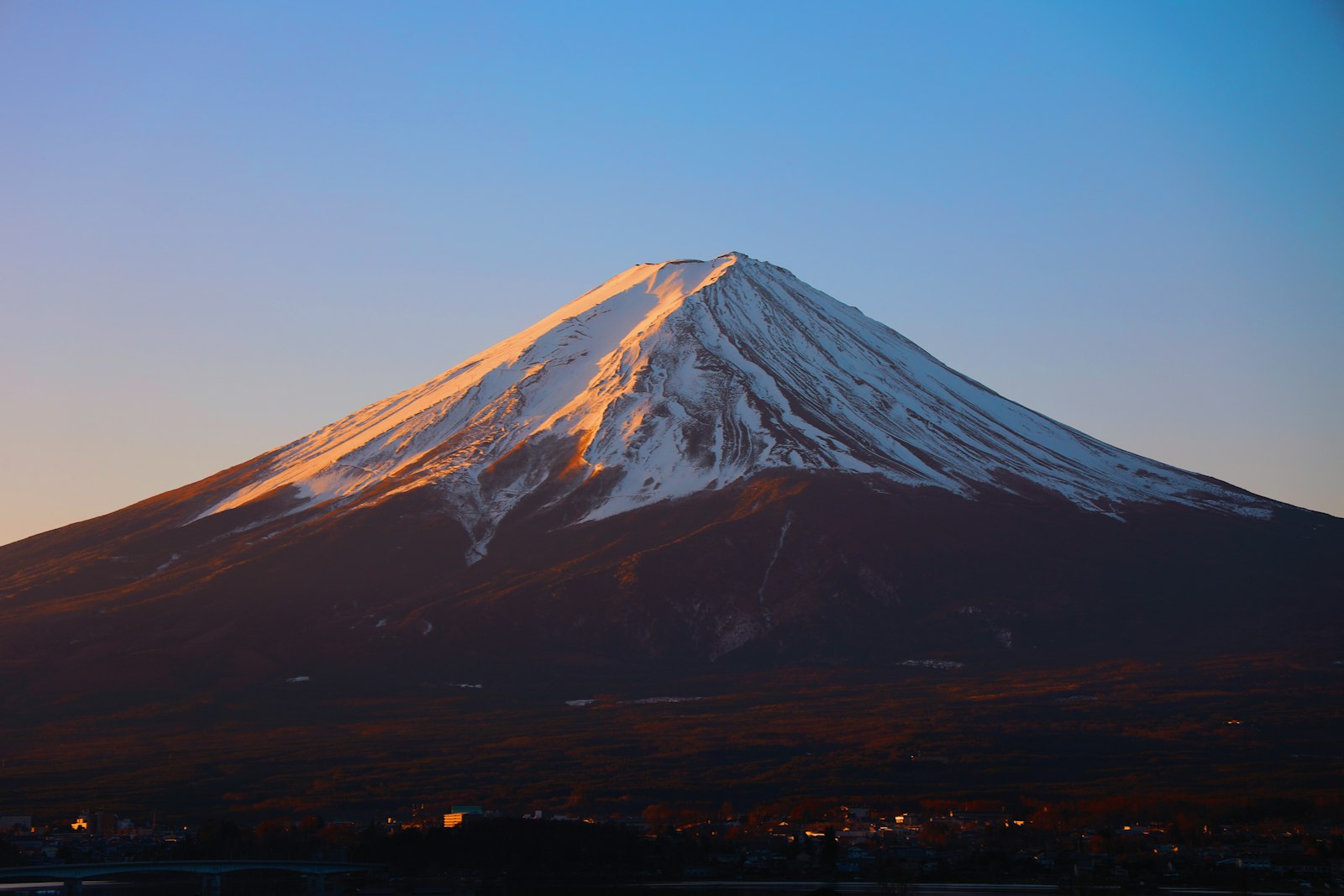
Hakone is famous for two things above all else: Mount Fuji views and onsen. The best Fuji views are from the Hakone Ropeway over Owakudani (particularly early morning, before cloud builds up), from the deck of the Lake Ashi pirate ship, and from the hillside between Owakudani and Togendai. The onsen — hot spring baths fed by the volcanic activity — range from shared communal baths at budget guesthouses to private outdoor rotenburo (open-air hot spring baths) on the terrace of a top-tier ryokan. Both are worth your time.
85 min
From Tokyo
Oct–Nov
Best Season
Owakudani
Fuji Views
¥8,000/day
Budget From
🌡️ Best Time to Visit Hakone
Oct–Nov — Autumn — Best Season
Recommended
The finest time to visit. Autumn foliage turns the valleys vivid red and orange from mid-October, Mount Fuji is freshly snow-capped and clearly visible, and the air is crisp. Temperatures are comfortable (10–18°C) for exploring all day. Book accommodation at least 6 weeks ahead — this is peak season.
Mar–Apr — Spring — Cherry Blossom Season
Cherry blossoms
Cherry blossoms line the Hakone-Tozan switchback railway from late March to early April, turning the mountain railway ride into one of Japan's most beautiful journeys. Popular and crowded — book accommodation months ahead. Mount Fuji is visible but the spring haze reduces clarity compared to autumn.
Jan–Feb — Winter — Clearest Fuji Views
Best Fuji views
Winter brings the clearest air and the most dramatic Mount Fuji views — cold, dry days with exceptional visibility from Owakudani and Lake Ashi. Temperatures drop to 2–8°C, which makes the onsen experience feel even better. The ropeway occasionally closes in heavy snow or ice. Off-peak pricing at most ryokan.
Jun–Aug — Summer/Rainy Season — Avoid
Not recommended
June is Japan's rainy season (tsuyu) — Mount Fuji is cloud-covered most of the time. July and August are Tokyo's summer escape season, so Hakone is extremely crowded and humid (28–33°C). The ropeway queues can be 45–60 minutes. If you must visit in summer, arrive at Owakudani before 9am.
🚆 Getting to Hakone from Tokyo
The Hakone Free Pass tip: Buy the 2-day Hakone Free Pass (¥6,100 from Shinjuku) at the Odakyu Sightseeing Service Center at Shinjuku Station — ground floor, west exit. It includes the Romancecar reserved seat and covers all Hakone transport for 2 days. Far cheaper than buying each ticket individually.
Odakyu Romancecar — Shinjuku to Hakone-Yumoto (recommended)
Best optionThe fastest and most comfortable option. Depart Shinjuku Station on the Odakyu Romancecar express — 85 minutes direct to Hakone-Yumoto. Fare: ¥2,470 + ¥1,230 reserved seat surcharge (total ¥3,700). Included in the Hakone Free Pass. The panoramic front windows on the Romancecar make the mountain views cinematic. Book reserved seats at least a day ahead on weekends.
Tokaido Shinkansen — Tokyo / Shinagawa to Odawara
Fastest overallFastest overall: Tokyo or Shinagawa to Odawara by Kodama or Hikari shinkansen (35 minutes, ¥4,270 from Tokyo). Then transfer to the Hakone-Tozan railway from Odawara to Hakone-Yumoto (24 minutes, ¥340). Total: about 1 hour 10 minutes. More expensive than the Romancecar but faster if you are already at Tokyo or Shinagawa stations.
Odakyu Highway Bus — Shinjuku to Hakone
Budget optionOdakyu operates direct buses from Shinjuku Bus Terminal to Hakone-Yumoto and Togendai (Lake Ashi). Journey time: 2 hours (no traffic) to 2.5 hours (with). Fare: ¥2,000–¥2,200. Cheaper than the Romancecar but slower and subject to highway congestion. Good if you have heavy luggage and cannot use the Free Pass.
Drive from Tokyo — Tomei Expressway
FlexibleTokyo to Hakone via the Tomei Expressway and Odawara-Atsugi Road: 90–120 minutes without traffic. Tolls approximately ¥2,500 one way. Parking is available at Gotemba Premium Outlets (free), Hakone-Yumoto (¥500–¥1,000/day), and Owakudani (¥700/day). A car gives flexibility but parking near the ropeway and Lake Ashi is limited at peak times.
📅 2-Day Hakone Itinerary
Each day card is expandable. Day 1 covers the ropeway circuit — Owakudani volcanic valley, black eggs, and Lake Ashi. Day 2 focuses on the Hakone Open Air Museum and Hakone Shrine. Both days end with ryokan onsen.
- ●07:30 — Depart Shinjuku Station on the Odakyu Romancecar express (reserved seat ¥3,700 total, or ¥6,100 with the 2-day Hakone Free Pass). The 85-minute ride through the foothills of the Tanzawa Mountains has panoramic windows at the front of the train — sit there if you can.
- ●09:30 — Arrive Hakone-Yumoto: Japan's most visited onsen town. The sulfur-scented steam rising from roadside vents is your first sign that this place sits on something geologically serious. Transfer to the Hakone-Tozan switchback railway (covered by Free Pass) — the zigzag climb through maple and hydrangea forests to Gora takes 40 minutes and is one of the most charming mountain railways in Japan.
- ●10:30 — At Gora, take the funicular to Sounzan (5 minutes, Free Pass) then board the Hakone Ropeway (Free Pass or ¥1,800 one way). The 4km gondola ride over Owakudani volcanic valley is the signature Hakone experience. On clear mornings Mount Fuji fills the entire horizon — an almost implausible scale. The gondola passes over steaming sulfuric vents, grey volcanic rock, and patches of snow-covered hillside.
- ●11:30 — Owakudani volcanic valley: disembark and walk the 30-minute volcanic crater trail (¥500 entry, occasionally closed for volcanic activity — check in advance). Buy a bag of kuro-tamago — 5 black eggs boiled in the sulfuric hot springs (¥600 per bag). The shells turn jet black from the iron sulfide in the water; the inside is a normal hard-boiled egg. Local legend says each egg extends your life by 7 years. The ramen at the Owakudani Station restaurant (¥950) is basic cafeteria food but the steaming crater view from every window is genuinely spectacular.
- ●13:30 — Continue the ropeway down to Togendai on Lake Ashi. Board the Hakone Pirate Ship (Hakone Sightseeing Cruise, ¥1,200 one way Togendai–Hakone-machi, or Free Pass). The three ships — Vasa, Le Cyrano and Royale — are full-size replica 17th-century sailing vessels, which is ridiculous and wonderful. On calm clear days Mount Fuji reflects in the lake. Sit on the port (left) side heading toward Hakone-machi for the best Fuji views; cross to starboard approaching Moto-Hakone for the red torii gate.
- ●15:30 — Disembark at Moto-Hakone. Walk 10 minutes to Hakone Shrine: the famous red torii gate standing in Lake Ashi is one of Japan's most photographed images. The shrine itself is set inside a cedar forest (free entry) — the approach through giant cryptomeria trees is as atmospheric as the waterfront gate.
- ●17:30 — Check in to your ryokan or guesthouse in Hakone-Yumoto. Budget guesthouses: ¥4,000–6,000 per person including shared onsen bath. Mid-range ryokan: ¥15,000–22,000 per person including kaiseki dinner and breakfast. Soak in the onsen for at least 30 minutes before dinner — the sodium-chloride and sulfur-mineral water at Hakone-Yumoto is one of the best-documented therapeutic spring waters in Japan.
- ●07:00 — Morning onsen at the ryokan before checkout. A private rotenburo (outdoor bath) at a mid-range ryokan in the early morning — cedar planks, mountain air, sulfur steam — is one of the finest ways to start a day in Japan. Do not rush this.
- ●08:30 — Ryokan breakfast (included in most mid-range rates): traditional Japanese morning meal with rice, miso soup, grilled mackerel or salmon, dashimaki tamago (rolled omelette), pickled vegetables, and cold tofu. The careful, unhurried ritual of a ryokan breakfast is itself a reason to stay overnight rather than day-tripping.
- ●09:30 — Hakone Open Air Museum (Hakone Chokoku-no-Mori Bijutsukan): entry ¥1,600. Over 120 sculptures displayed across 7 hectares of landscaped hillside garden, with Mount Fuji as a backdrop on clear days. The Picasso Pavilion houses 300 works including ceramics, prints and paintings. The Symphonic Sculpture — a tower of 70,000 hand-cut glass pieces that chimes in the wind — is unmissable. The barefoot sensory path through the outdoor garden takes 30 minutes. Budget 2–2.5 hours.
- ●12:00 — Lunch near the Open Air Museum or at a soba restaurant in Miyanoshita: try mori soba (cold buckwheat noodles, ¥900–¥1,200) with mountain wasabi grated fresh. Hakone buckwheat soba made with local spring water is noticeably better than standard Tokyo soba.
- ●13:30 — Optional: Hakone Checkpoint Museum (Hakone Sekisho, ¥500) at Hakone-machi on Lake Ashi. The Edo-period checkpoint guarded the western approach to Tokyo (then Edo) from 1619 to 1869. The reconstructed gate and inspection rooms give a strong sense of the Tokaido road and the Tokugawa political system. The location directly on the lake shore is beautiful.
- ●15:30 — Board the return Romancecar from Hakone-Yumoto to Shinjuku (85 minutes, ¥3,700 or included in Free Pass). The late afternoon light over the Tanzawa foothills turns the carriage windows gold. The reserved seat at the panoramic front of the Romancecar is worth every yen for the return journey.
Free · Personalised · 24hr Reply
Want this Hakone plan customised for your dates?
Tell us your group size, budget, and travel dates. We'll build a day-by-day plan around you — completely free.
No account · No credit card · Takes 2 minutes
🗻 Hakone Landmark Guide
Hakone's major sites in priority order. Entry fees as of 2026. The Hakone Free Pass covers the ropeway, pirate ship, switchback railway, and funicular — most transport costs disappear if you have it.
Hakone Ropeway (Owakudani–Togendai section)
The 4km gondola over Owakudani volcanic valley is the centrepiece of any Hakone visit. The views of Mount Fuji from the high point of the ropeway, combined with the surreal landscape of steaming volcanic vents directly below, are unlike anything in Japan. Go early morning for the clearest Fuji visibility. The ropeway occasionally closes for high winds or volcanic activity — check before departing Tokyo.
Owakudani Volcanic Valley
An active volcanic crater area with steaming sulfuric vents, grey rock fields, and the famous kuro-tamago (black eggs) cooked in the boiling sulfuric springs. The 30-minute crater trail gives a close-up view of the active geology. The eggs (¥600 for 5) are a ritual as much as a snack. The area can close with short notice if volcanic activity increases — check the Hakone Tourism website.
Lake Ashi Pirate Ship Cruise
The three replica 17th-century sailing ships cross 10km of Lake Ashi between Togendai, Hakone-machi, and Moto-Hakone. Mount Fuji views from the deck are best in the morning; the Hakone Shrine red torii gate comes into view approaching Moto-Hakone. One-way from Togendai to Moto-Hakone is the most scenic route. Outdoor deck space is limited on busy days — board early.
Hakone Open Air Museum
Japan's first open-air art museum, opened 1969. 120+ sculptures across 7 hectares by Henry Moore, Niki de Saint Phalle, Miro, and others. The Picasso Pavilion with 300 works and the Symphonic Sculpture glass tower are the standout pieces. The outdoor hot spring foot bath in the garden (free with entry) is a welcome mid-visit rest. Allow 2–2.5 hours.
Hakone Shrine & Lake Ashi Torii Gate
The red torii gate standing in Lake Ashi, with Mount Fuji sometimes visible beyond it, is the most iconic image in Hakone. The shrine itself is set inside a dense cedar forest with 400-year-old cryptomeria trees. The lakeside approach at dawn or dusk (when the tourist crowds thin out) is extraordinary. The walk from Moto-Hakone bus stop through the forest to the shrine takes 20 minutes each way.
Hakone-Tozan Switchback Railway
Japan's only mountain adhesion railway using the switchback technique — the train reverses direction three times as it zigzags up the steep mountain slope from Hakone-Yumoto to Gora. The hydrangea season (mid-June to July) turns the entire route into a river of purple and blue blossoms. Outside blooming season, the cedar and maple forest views are still beautiful and the engineering is fascinating.
Hakone-Yumoto Onsen Town
The main onsen district at the foot of the mountain. Over 20 public bath houses (sento and onsen) are open to day visitors from ¥800–¥1,500. The Tenzan Tohji-kyo (¥1,500) is the most popular public onsen with multiple indoor and outdoor baths. The shopping street selling yosegi zaiku (traditional Hakone wood mosaic crafts) and onsen manju (sweet steamed buns) runs from the station.
Hakone — Fuji Views, Volcanic Valleys & Ryokan Onsen
Japan's most beautiful weekend escape, 90 minutes from Tokyo.
📸
Mount Fuji from Owakudani
Mount Fuji from Owakudani
Mount Fuji rising above the steam of Owakudani volcanic valley — the defining view of any Hakone visit.
💰 Budget Breakdown
Hakone is not cheap compared to most Japanese destinations — the ryokan experience in particular is a significant cost. However, the Hakone Free Pass dramatically reduces transport costs, and budget travellers can have an excellent two days for under ¥25,000 total.
| Category | Budget | Mid-Range | Luxury |
|---|---|---|---|
| 🚆 Hakone Free Pass (2 days) | ¥6,100 from Shinjuku | ¥6,100 from Shinjuku | N/A (private car) |
| 🏨 Accommodation (1 night) | ¥4,000–6,000 (guesthouse) | ¥15,000–22,000 (ryokan) | ¥60,000–120,000 (top ryokan) |
| 🍽 Food (2 days) | ¥3,000–5,000 | ¥6,000–10,000 | ¥15,000–25,000 |
| 🗻 Activities & entry fees | ¥2,600 (eggs, museum, shrine) | ¥5,000–8,000 (guide, museum) | ¥20,000–40,000 (private) |
| 🚗 Private transport | N/A | N/A | ¥25,000–40,000 |
| TOTAL (per person, 2 days) | ¥15,000–20,000 | ¥32,000–46,000 | ¥120,000–185,000 |
💚 Budget (¥8,000–12,000/day)
Stay at Fuji Hakone Guest House or a Hakone-Yumoto guesthouse (¥4,000–6,000/night including shared onsen). Buy the Free Pass. Eat ramen and convenience store snacks. Skip the guided tours. You can do all the major sights for under ¥20,000 total for the 2 days.
🌟 Mid-Range (¥20,000–30,000/day)
Stay at Hakone Kowakien Tenyu or a similar mid-range ryokan (¥15,000–22,000/night including kaiseki dinner and breakfast). Buy the Free Pass. The ryokan meals make up most of your food budget. This is the ideal Hakone experience — authentic without being excessive.
💎 Luxury (¥60,000+/day)
Stay at Gora Kadan or Hakone Ginyu (¥60,000–120,000/night) with private rotenburo and top-tier kaiseki. Private car from Tokyo, private museum tours, sake sommelier pairings. The ryokan at this level is a complete experience — not just accommodation.
Get the free travel guide
+ weekly destination tips
Download the Rajasthan 7-Day Guide instantly — day-by-day itinerary, real budgets, local food spots & packing list. Plus weekly guides from 2,400+ travellers' favourite destinations.
No spam, ever. Unsubscribe with one click.
🏨 Where to Stay in Hakone
The main bases in Hakone are Hakone-Yumoto (most transport connections, most guesthouses), Miyanoshita (quiet, mid-mountain, historic hotels), Gora (high altitude, good ropeway access), and the lakeside Moto-Hakone area. For a 2-day visit, Hakone-Yumoto is the most practical base.
Gora Kadan
Luxury ryokan · Gora district
A former imperial villa converted into Hakone's most celebrated ryokan. Private rotenburo on every room's terrace, kaiseki meals using Odawara seafood and Hakone mountain vegetables, and a level of service that redefines attentiveness. Requires booking months ahead for autumn and cherry-blossom season.
Hakone Kowakien Tenyu
Mid-range ryokan · Kowakidani district
One of Hakone's finest mid-range ryokan, set in a traditional garden with multiple indoor and outdoor hot spring baths. The kaiseki dinner is excellent and the shared onsen facilities are beautiful. Access to the Yunessun spa complex (Kowakien theme park) is included for guests. Well-connected by Hakone-Tozan bus.
Fuji Hakone Guest House
Budget guesthouse · Sengokuhara district
A long-running budget guesthouse in the quieter Sengokuhara area, popular with backpackers and solo travellers. Basic tatami-style rooms, shared Japanese-style baths using natural hot spring water, and a helpful English-speaking owner who gives excellent local advice. Simple breakfast available. Book ahead in peak season.
Fujiya Hotel, Miyanoshita
Historic Western hotel · Miyanoshita district
Japan's oldest resort hotel, opened in 1878. The Victorian dining room with stained-glass windows, the carefully preserved heritage rooms, and the hotel's own hot spring pools make this a genuinely unique stay. The smoked Hakone trout and wagyu fillet in the original dining room are excellent. Charles Chaplin, Eleanor Roosevelt and John Lennon all stayed here.
🍽️ Where to Eat in Hakone
Most mid-range and luxury ryokan include both dinner and breakfast in their rates — if you're staying at a ryokan, your main food decision is just lunch. Budget travellers will find the best independent restaurants clustered around Hakone-Yumoto station and in the Owakudani area.
Kaiseki at your Ryokan
Included in most mid-range and luxury ryokan rates
The kaiseki dinner (traditional multi-course Japanese meal) served at Hakone's ryokan is the finest dining experience available in the area. Eight to twelve courses using seasonal mountain vegetables, river fish from local streams, Sagami Bay seafood, and Kanagawa wagyu beef. The pacing, presentation, and quality at mid-range ryokan (¥15,000/person rates) are genuinely impressive — don't eat a large lunch if you have kaiseki booked.
Owakudani Crater Ramen
Cafeteria · Owakudani Ropeway Station
The ramen topped with a kuro-tamago (black egg) at the Owakudani station cafeteria is ¥950 — basic but perfectly serviceable, and the steaming volcanic crater visible through every window makes it one of the more surreal lunch settings in Japan. The black egg ramen is a Hakone ritual as much as a meal. Expect queues at peak times.
Hakone Tozan Soba — Miyanoshita
Traditional soba · Miyanoshita
Several small soba restaurants in Miyanoshita serve handmade buckwheat noodles using local mountain spring water. Mori soba (cold, ¥900–¥1,200), kake soba (hot broth, ¥800), and tempura soba sets (¥1,500–¥1,800). The soba made with Hakone water has a notably clean, fresh flavour. Lunch only — arrive before 1pm as they often sell out.
Fujiya Hotel Dining Room
Historic Western cuisine · Miyanoshita
Japan's oldest hotel restaurant, operational since 1878. The Victorian dining room with stained-glass windows and white-gloved service is an extraordinary setting. Smoked Hakone trout, wagyu beef fillet, and the hotel's signature curry are the highlights. Lunch sets from ¥3,500, dinner from ¥8,000. Book ahead for dinner — the room fills quickly at weekends.
Where to Stay in Hakone Japan
Verified prices · Instant booking
Gora Kadan
Luxury ryokan · Private rotenburo · Kaiseki
Hakone Kowakien Tenyu
Mid-range ryokan · Multiple hot spring baths
Fujiya Hotel
Historic Western hotel · Est. 1878 · Miyanoshita
Fuji Hakone Guest House
Budget guesthouse · Natural hot spring baths
Affiliate links — we earn a small commission at no extra cost to you. Helps keep our guides free.
Things to Do in Hakone Japan
Tours & experiences · Instant confirmation
Hakone Full Day Tour from Tokyo
Must doOwakudani Volcanic Valley & Black Eggs Tour
IconicHakone Ropeway & Lake Ashi Cruise
Hakone Onsen & Ryokan Experience
Affiliate links — we earn a small commission at no extra cost to you.
❌ Mistakes to Avoid in Hakone
Going on a weekend without booking accommodation early
Hakone is Tokyo's primary weekend escape. Popular ryokan sell out 2–3 months ahead for Saturday nights in October and during cherry-blossom season. Book mid-range ryokan at least 6 weeks ahead and top-tier properties 3 months ahead. Weekday visits are noticeably less crowded and often 20–30% cheaper.
Not checking the Mount Fuji visibility forecast before going
Mount Fuji is obscured by clouds roughly 60% of the time, and the percentage is higher in summer and rainy season. Check the Hakone Tourism webcam (hakone.or.jp) the day before. If the forecast shows clouds, consider adjusting your ropeway timing to the very early morning — Mount Fuji is most visible before 10am before haze builds. A cloudy Owakudani is still impressive, but the ropeway without Fuji views is noticeably less dramatic.
Buying individual tickets instead of the Hakone Free Pass
The Hakone Free Pass (¥6,100 for 2 days from Shinjuku) covers the Romancecar, Hakone-Tozan switchback railway, Gora funicular, Hakone Ropeway, Lake Ashi pirate ship, and the entire local bus network. Buying each ticket individually costs ¥9,000–11,000 for the same itinerary. The Free Pass pays for itself on Day 1 alone.
Skipping the onsen because of tattoo concerns
Many public onsen in Hakone prohibit visible tattoos, but almost all ryokan offer private family baths (kashikiri onsen) that can be reserved by the hour at no or minimal extra cost. Ask your ryokan in advance — private bath availability is almost universal. Tenzan Tohji-kyo in Hakone-Yumoto also has private rooms available.
Not checking the ropeway status before leaving Tokyo
The Hakone Ropeway closes for annual maintenance (typically mid-January for 2–3 weeks) and occasionally shuts for strong winds, rain, or elevated volcanic activity at Owakudani. Always check the Hakone Ropeway official website (hakonenavi.jp/ropeway) before your trip. Buses run as a substitute during maintenance closures but the experience is completely different.
💡 Pro Tips for Hakone
Buy the Free Pass at Shinjuku Odakyu counter
The 2-day Hakone Free Pass (¥6,100) from the Odakyu Sightseeing Service Center at Shinjuku Station west exit is the single best Hakone purchase. It covers the Romancecar reserved seat, ropeway, switchback railway, pirate ship, and all local buses. The counter opens at 8am — arrive early on weekends to avoid queues for reserved seats.
Time the ropeway for early morning on clear days
Mount Fuji is most visible before 10am, when the air is coldest and clearest. If your first morning in Hakone is clear, prioritise the ropeway over breakfast. The Owakudani area at 9am — before the day-trippers arrive — is dramatically less crowded and the Fuji views are at their best. Morning cloud builds quickly, especially from May to September.
Pack a small towel and learn basic onsen etiquette
Japanese onsen require showering before entering the communal bath, no swimwear, and complete silence. Most ryokan provide a small yukata robe and towel on arrival. Budget guesthouses sometimes charge a small fee for towels. The sulfur-rich Hakone water temporarily discolours silver jewellery — leave it in your room. The water is extremely hot (42–45°C at many baths) — enter slowly.
Position yourself correctly on the pirate ship
Boarding the Lake Ashi pirate ship at Togendai heading to Hakone-machi, sit on the port (left) side for the best Mount Fuji views across the lake. Approaching Moto-Hakone, cross to the starboard (right) side for the Hakone Shrine red torii gate. If the outdoor deck is crowded, the upper deck gives better views over the ship's rigging than the main deck.
Eat a light lunch on ryokan days
Ryokan kaiseki dinners begin at 6pm–7pm and run to 8–12 courses. Many first-time ryokan guests make the mistake of eating a full lunch and then cannot finish the kaiseki dinner. Eat a light lunch (soba, onigiri, or a bowl of ramen) and arrive at dinner hungry. The kaiseki at a good Hakone ryokan is one of the most considered meals you will have in Japan.
Visit Hakone Shrine early morning or late afternoon
The Hakone Shrine red torii gate on Lake Ashi is mobbed by tour groups from 10am to 3pm. Visiting at 7am–8:30am (the shrine is always open) or after 4pm gives you the cedar forest approach and the lakeside torii almost to yourself. The early morning mist over the lake is particularly beautiful. The shrine itself is free and the 20-minute forest walk from Moto-Hakone bus stop is worth doing at any time of day.
📸 Been to Hakone?
Share your photos and get featured in this guide with full credit. Your real photos help thousands of travellers plan better trips.
❓ Frequently Asked Questions
Plan your Hakone trip
You Might Also Like


Questions & Comments
Been there? Planning a trip? Drop it below — we reply to everything.
Have you visited this destination?
Any tips you'd add to this guide?
Questions before your trip?
Want a personalised itinerary?
We'll build your day-by-day plan in 24 hours — free.