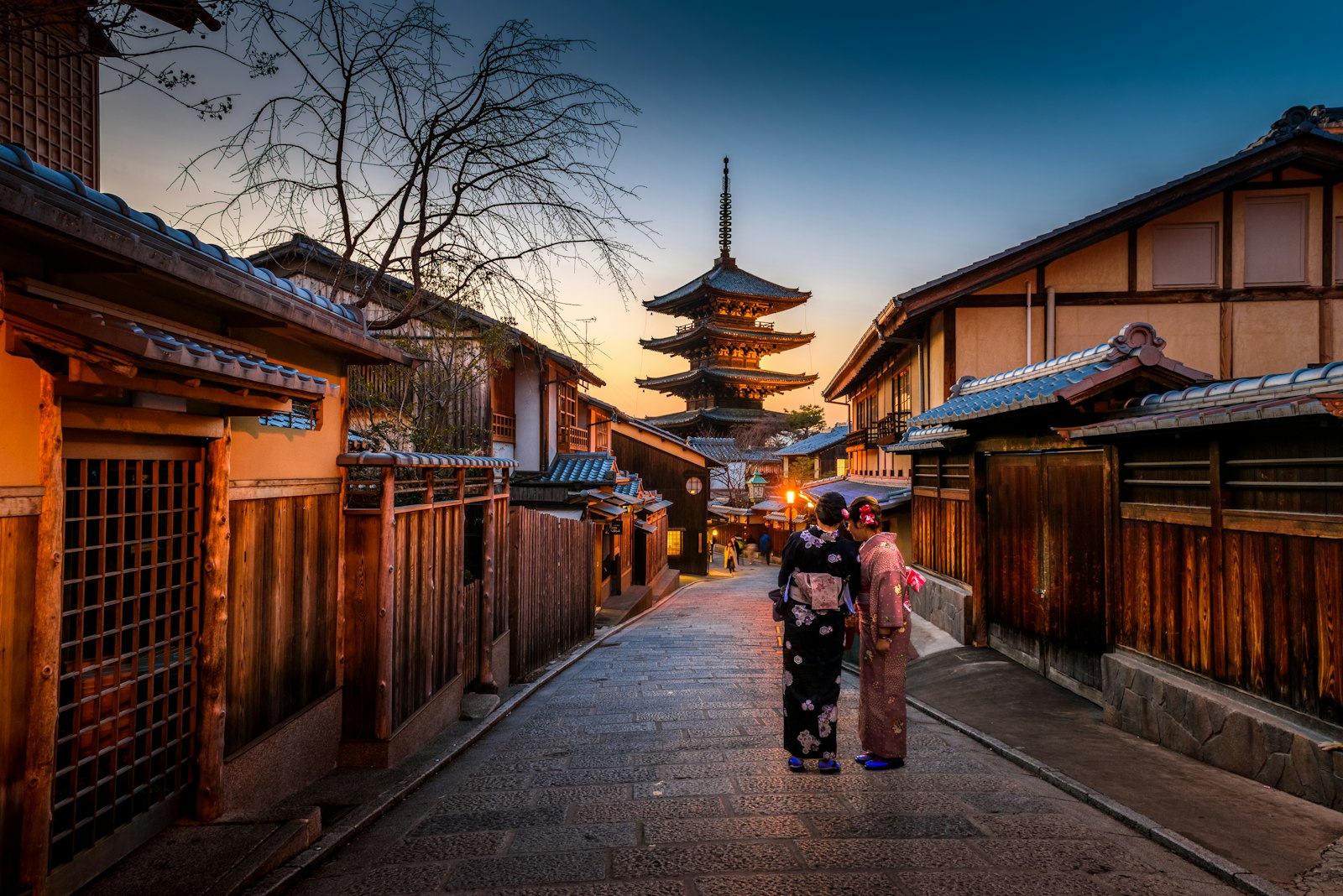
Kyoto in 4 Days: Temples, Bamboo & the Ancient Capital
Fushimi Inari at dawn, Arashiyama's bamboo groves, the Golden Pavilion, Gion's geisha district and Nishiki Market. The complete guide with real timings, costs in JPY & USD, and the mistakes that ruin most Kyoto trips.

Delhi · Visited: Kedarnath, Gangotri, Manali, Shimla, Rishikesh & more · April 2026 · 18 min read
Fushimi Inari at 6am is a completely different temple than Fushimi Inari at 10am. At 6am it's just you, 10,000 orange torii gates, and absolute silence. At 10am it's a selfie queue. Everything about Kyoto comes down to timing — this guide gets yours right.
⚡ What Kyoto Actually Is
Kyoto served as Japan's imperial capital for over a thousand years, from 794 to 1868. It survived World War II largely unbombed — one of the few major Japanese cities that did — which means its 2,000+ temples, 400+ Shinto shrines, imperial palaces, and traditional wooden machiya townhouses are originals, not reconstructions. The cultural density is staggering: there are 17 UNESCO World Heritage sites within the city boundaries alone.
The tourism reality: Kyoto receives over 50 million visitors annually and the most famous spots — Fushimi Inari, Kinkaku-ji, Arashiyama Bamboo — are genuinely crowded between 10am and 4pm. The real Kyoto, the one with silent temple gardens, mist rising through torii gates, and geiko gliding through lantern-lit alleys, still exists. You just have to arrive at the right time. The single most important variable in any Kyoto trip is not which temples you visit but what time you arrive at each one.
Four days is the sweet spot. You can cover Fushimi Inari, Arashiyama, the Golden Route temples, Gion, Nishiki Market, and a day trip to Nara. If you have five or six days, add the Fushimi sake district, hidden temples like Daigo-ji, and slow down at the gardens you rushed past on day one.
Kyoto Station
Nearest Station
Mar\u2013Apr, Oct\u2013Nov
Best Season
2,000+
Temples
¥7,000/day
Budget From
🌡️ Best Time to Visit Kyoto
Late Mar–Apr — Cherry Blossom Season — Most Popular
Iconic but crowded
10–20°C. Cherry blossoms peak late March to mid-April. Philosopher’s Path, Maruyama Park, and Keage Incline turn pink. This is peak tourist season — accommodation prices double, temples are packed by 9am, and advance booking is essential. The beauty is real but so are the crowds. Check japan-guide.com/sakura for live bloom reports.
May–Aug — Summer — Warm & Green
Fewer tourists, hot
20–35°C. June–July is rainy season (tsuyu) with high humidity. August is hot and humid but the bamboo groves and moss gardens are at their most vivid green. Fewer tourists than spring or autumn. Summer festivals include the Gion Matsuri (July), one of Japan’s three great festivals. Budget-friendly accommodation is easier to find.
Oct–Early Dec — Autumn Foliage — Best Overall
Recommended
10–22°C. Peak autumn colours mid-November to early December. Tofuku-ji, Eikan-do, and Kiyomizu-dera explode in red and gold. Evening illuminations at Kodai-ji and Kitano Tenmangu are spectacular. October offers pleasant weather before the foliage rush. This is arguably the most beautiful time in Kyoto.
Dec–Feb — Winter — Quiet & Atmospheric
Best value, fewest crowds
1–10°C. Snow-dusted temples are some of the most striking images you will ever see of Kyoto. Kinkaku-ji covered in snow is extraordinary. Tourists drop dramatically and prices fall 20–40%. The cold is manageable with layers. Hot matcha in a silent garden with fresh snow is an experience the crowds never see.
🚅 Getting to Kyoto
Key detail: Kyoto has no airport. The nearest airports are Osaka's Kansai International (KIX, 75 min by Haruka Express) and Itami (ITM, 55 min by bus). Most visitors arrive by shinkansen bullet train from Tokyo. A 7-day JR Pass (¥50,000/$333) pays for itself if you're also visiting Tokyo and Hiroshima.
Shinkansen from Tokyo
2hr 15minTokaido Shinkansen Nozomi: 2 hours 15 minutes, ¥13,320 ($89) one way. Hikari (covered by JR Pass): 2 hours 40 minutes. Trains run every 10–15 minutes. The journey passes Mount Fuji on clear days (sit on the right side heading west). No reservation needed on unreserved cars, but reserved seats are recommended during peak seasons.
From Osaka
30 min, ¥580JR Special Rapid train: 30 minutes from Osaka Station to Kyoto Station, ¥580 ($4). Covered by JR Pass. Hankyu Railway from Umeda to Kawaramachi (Gion area): 45 minutes, ¥410 ($3). Keihan Railway from Yodoyabashi to Gion-Shijo: 50 minutes, ¥420 ($3). Many travellers base themselves in Osaka and day-trip to Kyoto.
JR Pass consideration
Best for multi-cityA 7-day JR Pass costs ¥50,000 ($333). A Tokyo–Kyoto return alone is ¥26,640. Add a Nara day trip (¥1,440 return) and the pass nearly pays for itself. If visiting Hiroshima (¥11,000+ one way), the pass is a clear win. Buy online before arriving in Japan. The pass covers the Haruka Express from Kansai Airport to Kyoto as well.
From Kansai Airport (KIX)
75 min by trainJR Haruka Express: 75 minutes direct to Kyoto Station, ¥3,640 ($24) reserved seat. Covered by JR Pass. Airport limousine bus: 88 minutes, ¥2,600 ($17). Taxi is ¥30,000+ ($200) and not recommended. If arriving late at night, book a hotel near KIX and take the first Haruka in the morning.
📅 4-Day Kyoto Itinerary
This itinerary covers mid-range spending (¥12,000–20,000/day, ~$80–133). Each day card is expandable. Budget alternatives are noted in the cost estimates. The route prioritises early-morning temple visits when the atmosphere is at its most magical and crowds are minimal.
- ●6am: Fushimi Inari Taisha — free, open 24/7. The 10,000 vermillion torii gates are nearly empty at dawn. Full hike to the summit takes 2 hours through increasingly quiet forest trails. Half-loop: 45 min. Pack a convenience store breakfast.
- ●9:30am: Tofuku-ji Temple — ¥500 ($3). One stop south of Fushimi Inari on the JR line. The Tsutenkyo Bridge view in autumn is Kyoto’s best-kept secret. Incredible zen gardens year-round.
- ●11am: Kiyomizu-dera — ¥400 ($3). The iconic wooden terrace cantilevered over the hillside without a single nail. The panoramic view of Kyoto from the stage is the city’s most photographed image.
- ●Walk down through Ninenzaka and Sannenzaka — the most photographed traditional lanes in Kyoto. Free, beautiful, lined with tea houses and ceramic shops.
- ●1pm: Lunch at Omen Kodaiji for handmade udon — ¥1,500–2,200 ($10–15). Budget alternative: Yoshinoya near Gion for ¥500–800.
- ●2pm: Kodai-ji Temple — ¥600 ($4). Less crowded than Kiyomizu, with a stunning bamboo grove and zen gardens.
- ●5pm: Gion district walk. Hanami-koji street for tea houses. The best time to spot geiko and maiko heading to evening appointments is 6pm–8pm.
- ●Dinner: Gion Nanba for tempura kaiseki — ¥4,000–6,000 ($27–40). Budget alternative: udon or ramen near Gion for ¥800–1,000.
- ●7am: Arashiyama Bamboo Grove — free. At 7am the towering bamboo pathway is nearly empty. By 9am it’s shoulder-to-shoulder. The early morning light filtering through the canopy and the rustling sound is genuinely magical.
- ●8:30am: Tenryu-ji Temple — ¥500 ($3). One of Kyoto’s five great zen temples. Enter from the north gate to walk through the garden directly into the bamboo grove.
- ●10am: Iwatayama Monkey Park — ¥550 ($4). Climb 20 minutes to the hilltop where wild macaques roam free. The panoramic view of Kyoto from the top is the real reason to go.
- ●11:30am: Sagano Scenic Railway (Romantic Train) — ¥880 ($6) one way. 25 min through the Hozu River gorge. Pre-book seats in peak season.
- ●1pm: Lunch at Arashiyama — yudofu (simmered tofu) is the local speciality. Shoraian riverside terrace for ¥2,500 ($17). Budget: noodle shop from ¥900.
- ●3pm: Rent a bicycle (¥800–1,000/day) and ride to Daikaku-ji Temple (¥500) — 10 min north, almost no tourists, beautiful lake.
- ●3:30pm: Togetsukyo Bridge — iconic arched bridge. Walk across, free. Rent a rowing boat for ¥1,500 ($10).
- ●Evening: Ride back to central Kyoto. Pontocho Alley for dinner — narrow lantern-lit alley along the Kamo River. Riverside seating (kawadoko) May–Sep. ¥3,000–5,000.
- ●9am: Kinkaku-ji (Golden Pavilion) — ¥500 ($3). Arrive at opening to see the gold-leafed pavilion reflecting in the mirror pond without crowds. The reflection on a still morning is even more stunning in person. 30–45 min.
- ●10:30am: Walk to Ryoan-ji — ¥500 ($3). Japan’s most famous zen rock garden. Sit on the wooden platform and stare at the 15 stones — you can only see 14 from any single angle. Intentional incompleteness. Give it 30 minutes minimum.
- ●12pm: Ginkaku-ji (Silver Pavilion) — ¥500 ($3). Less flashy than Kinkaku-ji but more refined. The moss garden is extraordinary.
- ●1pm: Walk the Philosopher’s Path south to Nanzen-ji — free, 2km canal-side walk lined with cherry trees and small temples. Best in late afternoon light or during cherry blossom season.
- ●2:30pm: Nanzen-ji Temple — free grounds, ¥600 for Sanmon gate (climb for panoramic views). The brick aqueduct running through the temple grounds is strikingly photogenic.
- ●4pm: Nishiki Market deep dive — 2 hours of food stalls stretching five blocks. Try yuba (tofu skin), Kyoto pickles, A5 wagyu skewer (¥2,000/$13), dashi stock, and matcha everything.
- ●Dinner: Nishiki Warai for Kyoto-style okonomiyaki — ¥1,800–2,500 ($12–17). Budget: conveyor belt sushi at Musashi Sushi near Sanjo — ¥1,200–1,800.
- ●8am: Train from Kyoto to Nara — 45 minutes on the JR Nara Line, ¥720 ($5) each way. Covered by JR Pass.
- ●9am: Todai-ji Temple — ¥600 ($4). Houses the largest bronze Buddha in the world at 15 metres tall. The wooden hall containing it is the world’s largest wooden structure. The scale of both is genuinely awe-inspiring.
- ●10:30am: Nara Park — free. 1,200+ wild sika deer roam freely through the park. Buy deer crackers (¥200) and bow to them — they bow back. The deer have lived here for over a thousand years and are considered sacred messengers of the gods.
- ●12pm: Lunch — kakinoha-zushi (persimmon leaf sushi) is Nara’s signature dish, ¥1,500–2,200 ($10–15).
- ●1:30pm: Kasuga Taisha Shrine — ¥500 ($3). 3,000 stone and bronze lanterns line the pathways through an ancient forest. The atmosphere is extraordinary, especially in the afternoon light.
- ●3pm: Walk through Naramachi old town — free. Traditional merchant houses, small museums, and craft shops in narrow lanes.
- ●5pm: Return to Kyoto. Final evening walk through Gion. Return to any temple you rushed through earlier in the trip.
- ●Farewell dinner: kaiseki restaurant — ¥8,000–12,000 ($53–80) for a multi-course traditional Kyoto meal. Budget: Fushimi sake district — Gekkeikan Okura Museum ¥400 includes tastings.
Free · Personalised · 24hr Reply
Want this Kyoto plan customised for your dates?
Tell us your group size, budget, and travel dates. We'll build a day-by-day plan around you — completely free.
No account · No credit card · Takes 2 minutes
⛩️ Temple & Cultural Guide
The most important temples and cultural sites in order of priority. Many temples require shoe removal at entry — wear easy slip-on shoes and bring socks. Entry fees are as of early 2026.
Fushimi Inari Taisha
10,000 vermillion torii gates winding up Mount Inari, open 24/7. The most visited shrine in Japan and utterly magical at dawn when it is nearly empty. The full hike to the summit takes 2 hours through increasingly forested and quiet trails with sub-shrines and fox statues. The half-loop (Yotsutsuji intersection) takes 45 minutes and gives you the iconic tunnel photos plus a panoramic view of Kyoto.
Kinkaku-ji (Golden Pavilion)
A three-storey pavilion covered in gold leaf, reflecting in a mirror pond. Originally built in 1397 as a retirement villa for Shogun Ashikaga Yoshimitsu. The current structure is a 1955 reconstruction after the original was destroyed by arson. Each floor represents a different architectural style. Arrive at 9am opening to see the reflection without crowds.
Arashiyama Bamboo Grove
A towering bamboo forest on Kyoto’s western edge. The sound of wind through the bamboo canopy is designated by the Japanese government as one of the 100 Soundscapes of Japan. Visit before 8am — by mid-morning the pathway becomes a slow-moving crowd. Combine with Tenryu-ji temple garden which connects directly to the grove.
Kiyomizu-dera
A wooden terrace cantilevered 13 metres over the hillside, built without a single nail. Founded in 778 and one of the oldest temples in Kyoto. The view from the stage across the city is breathtaking, especially during cherry blossom and autumn foliage seasons. The surrounding Higashiyama district has the most atmospheric traditional lanes in Kyoto.
Ryoan-ji
Japan’s most famous zen rock garden. Fifteen stones arranged on raked white gravel so that only 14 are visible from any single vantage point — a meditation on the incompleteness of perception. Sit on the wooden platform and let it work on you. The longer you stare, the more you see. The surrounding garden with its mirror pond is equally beautiful.
Todai-ji (Nara)
Houses the world’s largest bronze Buddha (15m tall, 500 tonnes) inside the world’s largest wooden building. Both statistics undersell the experience — the scale when you step inside is genuinely overwhelming. A 45-minute train ride from Kyoto. Combine with Nara Park’s sacred deer and Kasuga Taisha’s 3,000 lanterns for a full day trip.
Kyoto — Temples, Bamboo & Tradition
The ancient capital of Japan with 2,000 temples and 17 UNESCO World Heritage sites.
📸
Fushimi Inari Torii Gates
Fushimi Inari Torii Gates
10,000 vermillion torii gates winding up Mount Inari. Free, open 24/7. Go at 6am for near-empty photos that will define your trip.
💰 Budget Breakdown
Kyoto is mid-range by Japanese standards. Budget travellers can visit comfortably for ¥7,000–10,000/day ($47–67), mid-range for ¥12,000–20,000/day ($80–133), and luxury for ¥35,000+/day ($233+). All prices in Japanese Yen and USD at ~¥150/$1.
| Category (4 days) | 💰 Budget | ✨ Mid-Range | 💎 Luxury |
|---|---|---|---|
| 🏨 Accommodation (4N) | ¥12,000–18,000 ($80–120) | ¥32,000–60,000 ($213–400) | ¥160,000–480,000 ($1,067–3,200) |
| 🍜 Food & Drinks | ¥8,000–12,000 ($53–80) | ¥20,000–32,000 ($133–213) | ¥80,000–160,000 ($533–1,067) |
| 🚌 Transport | ¥3,000–5,000 ($20–33) | ¥5,000–8,000 ($33–53) | ¥15,000–30,000 ($100–200) |
| ⛩️ Temples & Activities | ¥4,000–6,000 ($27–40) | ¥10,000–18,000 ($67–120) | ¥80,000–150,000 ($533–1,000) |
| 🍵 Extras | ¥1,000–2,000 ($7–13) | ¥3,000–5,000 ($20–33) | ¥10,000–30,000 ($67–200) |
| Total (4 days) | ¥28,000–40,000 ($187–267) | ¥48,000–80,000 ($320–533) | ¥500,000–900,000 ($3,333–6,000) |
💰 Budget (¥7,000–10,000/day)
Stay in guesthouses or hostels near Kyoto Station (¥3,000–4,500/night), eat at udon shops and convenience stores (¥500–1,000/meal), rent a bicycle, and use the ¥700 bus day pass. Kyoto is surprisingly affordable at this level.
✨ Mid-Range (¥12,000–20,000/day)
Boutique hotels or machiya guesthouses (¥8,000–15,000/night), mix of casual and sit-down dining, guided temple tours, and tea ceremony experiences. The sweet spot for experiencing Kyoto properly without the luxury price tag.
💎 Luxury (¥35,000+/day)
Traditional ryokan with private onsen and kaiseki dinner (¥40,000–120,000/night), private temple guides, exclusive tea ceremonies, Michelin-starred dining, and chauffeur-driven temple tours. Japanese luxury is refined, subtle, and extraordinary.
All prices in ¥ (Japanese Yen), 2026. USD equivalent at ~¥150/$1. Excludes travel to Kyoto from other cities.
Get the free travel guide
+ weekly destination tips
Download the Rajasthan 7-Day Guide instantly — day-by-day itinerary, real budgets, local food spots & packing list. Plus weekly guides from 2,400+ travellers' favourite destinations.
No spam, ever. Unsubscribe with one click.
🏨 Where to Stay in Kyoto
The key decision is which area to base yourself. Near Kyoto Station for transport convenience. Gion for atmosphere and evening walks. Higashiyama for temple proximity. A traditional machiya (wooden townhouse) stay is one of the most memorable accommodation experiences in Japan.
Near Kyoto Station
Transport hub · Best for convenience
Walking distance to shinkansen, JR lines to Nara, buses to all temples, and the Haruka Express to the airport. The area around the station is modern and practical rather than atmospheric. Piece Hostel Sanjo, Noku Kyoto, and the many business hotels here offer the best value-for-money in the city. Ideal if you want to maximise temple time and minimise commuting.
Gion District
Geisha district · Best for atmosphere
Traditional wooden machiya houses, lantern-lit streets, and the chance to spot geiko heading to appointments in the evening. Staying in Gion puts you within walking distance of Kiyomizu-dera, Kodai-ji, and the Higashiyama lanes. The area is quieter than you would expect at night. A machiya guesthouse in Gion is one of the most authentic accommodation experiences in Japan.
Higashiyama
Temple district · Best for walking
The eastern mountain district between Gion and Kiyomizu-dera. Staying here means morning walks through Ninenzaka and Sannenzaka before the crowds arrive. The traditional lanes, small ryokans, and proximity to the Philosopher’s Path make this the most walkable base for temple visits. Less nightlife than Gion but more peaceful.
Traditional Machiya Stay
Townhouse rental · Unique experience
Kyoto’s traditional wooden townhouses have been converted into private accommodation. Tatami rooms, sliding paper doors, small private gardens, and futon bedding on straw mats. Companies like Machiya Residence Inn and Nazuna offer beautifully restored houses. For couples or small groups, this is an unforgettable way to stay — your own piece of old Kyoto.
Luxury Ryokan
Traditional inn · Full experience
A traditional ryokan with tatami rooms, private onsen bath, and multi-course kaiseki dinner included in the rate. Aman Kyoto (mountain retreat), Hoshinoya Kyoto (river access by boat only), and Tawaraya (operating since 1709) represent the pinnacle of Japanese hospitality. Dinner and breakfast are included and are culinary events in themselves.
🍜 Where to Eat in Kyoto
Kyoto is the birthplace of kaiseki (multi-course traditional dining), home to Japan's finest tofu cuisine, and the undisputed capital of matcha. The city has more Michelin stars per capita than almost anywhere in the world. But some of the best meals cost under ¥1,000.
Kaiseki Dining
Multi-course traditional · Kyoto’s signature
Kaiseki is Kyoto’s greatest culinary art — a multi-course meal that follows the seasons, using local ingredients presented like edible art. A lunch kaiseki at Kikunoi Roan starts at ¥8,000 ($53) and is a Michelin-starred experience. Budget kaiseki sets at smaller restaurants run ¥4,000–6,000 ($27–40). Hyotei, operating for over 400 years, is one of Japan’s most celebrated restaurants. Reserve well ahead for dinner.
Kyoto-Style Ramen
Lighter chicken-based broth · Budget friendly
Kyoto ramen differs from Tokyo’s rich pork tonkotsu — the broth here is often chicken-based, lighter, and clearer. Honke Daiichiasahi near Kyoto Station has had queues since 1947. Expect ¥800–1,200 ($5–8) for a full bowl. Ramen Ogawa in Gion serves a refined version. For budget meals, ramen shops near train stations are consistently excellent and fast.
Nishiki Market Grazing
Five blocks of food stalls · Central
Kyoto’s kitchen stretches five blocks with stalls selling grilled mochi (¥200), takoyaki (¥400), matcha soft serve (¥350), A5 wagyu skewer (¥2,000), pickles, yuba, and dashi stock. A full graze-through lunch costs ¥1,000–2,500 ($7–17). Vendors begin discounting after 4pm. Best visited on a weekday to avoid the worst crowds.
Tofu Cuisine (Yudofu)
Kyoto speciality · Temple food origin
Kyoto’s soft water produces Japan’s best tofu, and yudofu (gently simmered tofu) originated in the temples here. Shoraian in Arashiyama serves it on a riverside terrace (¥2,500/$17). Okutan near Nanzen-ji has been serving yudofu since 1635 in a garden setting. Even if you think you don’t like tofu, Kyoto tofu is a different experience entirely.
Matcha & Tea Culture
Kyoto is Japan’s tea capital
Ippodo Tea has operated in central Kyoto since 1717. A proper ceremony-grade matcha bowl costs ¥600–1,000 ($4–7). Nakamura Tokichi in Uji (30 min south) is the most famous tea house in the region. Matcha parfaits, matcha soba noodles, and matcha soft serve are everywhere. A formal tea ceremony in Gion costs ¥4,000–6,000 ($27–40) and teaches you to whisk matcha properly.
Where to Stay in Kyoto
Verified prices · Instant booking
Piece Hostel Sanjo
Design Hostel · Central
Noku Kyoto
Boutique · Gion area
Aman Kyoto
Luxury Resort · Mountains
Affiliate links — we earn a small commission at no extra cost to you. Helps keep our guides free.
Things to Do in Kyoto
Tours & experiences · Instant confirmation
Fushimi Inari Early Morning Tour
Must doTraditional Tea Ceremony in Gion
CulturalArashiyama Bamboo & Monkey Park
Nara Day Trip with Guide
Affiliate links — we earn a small commission at no extra cost to you.
❌ Mistakes to Avoid
Visiting Fushimi Inari after 9am
At 6am: silence, empty torii tunnels, magical photos. At 10am: wall-to-wall crowds and a 20-minute wait for a clear shot. The shrine is open 24/7 and free. Go early.
Trying to see too many temples
Kyoto has 2,000+ temples. Seeing 3–4 per day with proper time at each beats rushing through 8. Quality over quantity. Sit in the gardens. Let the zen work.
Taking buses for everything
Kyoto buses are slow and packed with tourists. Rent a bicycle (¥800–1,000/day/$5–7) — the city is flat and compact. You’ll see 3x more temples and enjoy the ride between them.
Skipping Nara
Only 45 minutes from Kyoto. Wild deer that bow, the world’s largest wooden building, and far fewer tourists than Kyoto. Don’t skip it.
Wearing complicated shoes
Many temples require shoe removal. Wear easy slip-on shoes. Bring socks. Nothing ruins a zen moment like fumbling with laces at every entrance.
Not carrying cash
Temple entry fees, small restaurants, market stalls, and bicycle rentals are cash-only. Withdraw ¥20,000–30,000 ($133–200) from a 7-Eleven ATM — they accept all international cards with no conversion markup.
💡 Pro Tips for Kyoto
Rent a Bicycle
Kyoto is flat. This single decision will triple the number of temples you see and transform your experience. Most guesthouses offer rental or can point you to nearby shops. ¥800–1,000/day ($5–7).
Cherry Blossom Strategy
Late March to mid-April. Best spots: Philosopher’s Path, Maruyama Park, Keage Incline. Peak bloom lasts only 7–10 days. Check japan-guide.com/sakura for real-time bloom reports before booking flights.
Autumn Colours Strategy
Mid-November to early December. Tofuku-ji, Eikan-do, and Kiyomizu-dera are the top three spots. Evening illuminations at Kodai-ji and Kitano Tenmangu are spectacular and less crowded than daytime visits.
Matcha Everything
Kyoto is the capital of Japanese tea culture. Try matcha at Ippodo Tea (since 1717) in central Kyoto. ¥600–1,000 ($4–7) for a proper ceremony-grade bowl. Matcha parfaits at Nakamura Tokichi in Uji are legendary.
Kyoto Bus Day Pass
Only ¥700 ($5) for unlimited city bus rides. Worth it if you’re not cycling. Buy at Kyoto Station bus terminal. Covers 90% of tourist routes. The IC card (Suica/Pasmo) works on all buses and trains too.
Gion After Dark
The best time to walk Gion is 6pm–8pm when the lanterns are lit and geiko head to appointments. Hanami-koji and Shirakawa areas. Be respectful — no chasing for photos. The quiet beauty of these streets at dusk is extraordinary.
JR Pass Timing
If visiting Tokyo + Kyoto + Nara (or Hiroshima), a 7-day JR Pass (¥50,000/$333) saves significant money. Activate it on the day you take your first long-distance train, not the day you arrive. Buy online before entering Japan.
Convenience Store Breakfasts
Japanese konbini (7-Eleven, Lawson, FamilyMart) have exceptional food. Onigiri (¥120–180), egg sandwiches, and fresh coffee for under ¥500 total. Saves time and money versus hotel breakfast. Quality is genuinely impressive.
📸 Been to Kyoto?
Share your photos and get featured in this guide with full credit. Your real photos help thousands of travellers plan better trips.
❓ Frequently Asked Questions
Plan your Kyoto trip
You Might Also Like


Questions & Comments
Been there? Planning a trip? Drop it below — we reply to everything.
Have you visited this destination?
Any tips you'd add to this guide?
Questions before your trip?
Want a personalised itinerary?
We'll build your day-by-day plan in 24 hours — free.