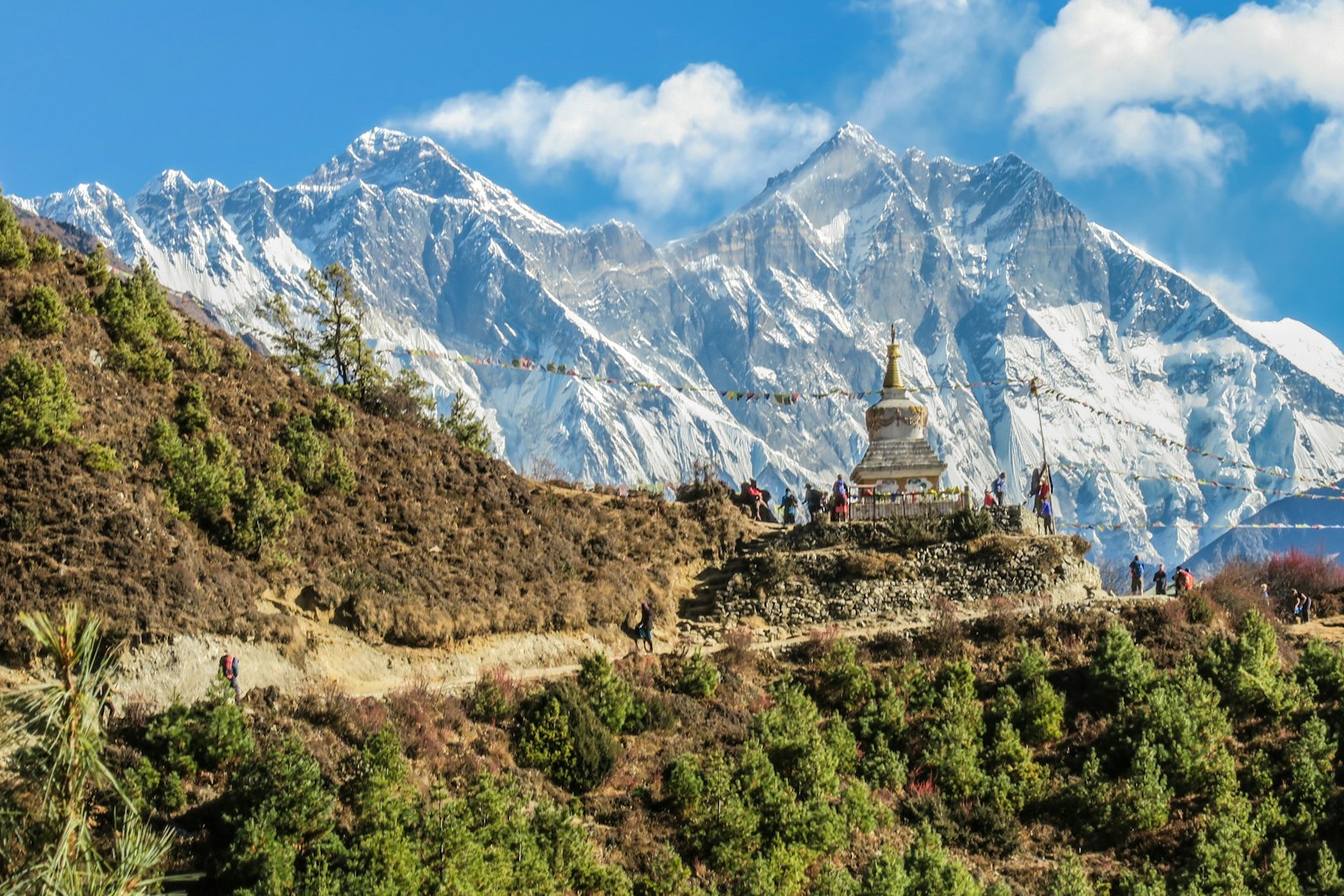
Kathmandu in 4 Days: Temples, Stupas & the Himalayan Skyline
Pashupatinath's burning ghats at dawn, Boudhanath prayer wheels at sunset, medieval Durbar Squares, dal bhat with unlimited refills, and momos from a Patan street stall. The complete 4-day guide.
Delhi · Visited: Kedarnath, Gangotri, Manali, Shimla, Rishikesh & more · April 2026 · 14 min read
Kathmandu is one of the last cities on earth where you can stand in a 2,000-year-old temple courtyard, watch cremation fires burn at a sacred river at dawn, and then sit in a trekking-gear cafe sipping masala tea before a flight toward Everest. The valley holds seven UNESCO World Heritage Sites within a 20 km radius. Nothing else on earth is quite like it.
⚡ What Kathmandu Actually Is
The Kathmandu Valley has been continuously inhabited for at least 2,000 years and was a critical node on the ancient trade routes between India and Tibet. The Newari civilization that built it created some of the finest religious architecture in Asia — the pagoda temple form that spread across East and Southeast Asia is believed to have originated here. The city you walk through today has been layered up over centuries of Hindu and Buddhist patronage, earthquake, restoration, and constant ritual use.
The 2015 earthquake damaged or destroyed hundreds of heritage structures, and reconstruction continues. Some temples are scaffolded. Some Durbar Square buildings remain closed. This is part of Kathmandu now — a city actively rebuilding its medieval identity, which makes visiting in 2026 feel meaningful rather than purely touristic.
Thamel, the tourist district, is chaotic, colourful, and unavoidable. It's also genuinely useful — cheap guesthouses, licensed trekking gear shops, money changers, and every kind of restaurant within a 500-metre radius. Use it as a base. Don't mistake it for Kathmandu.
KTM
Airport
Oct–Nov / Mar–Apr
Best Season
7 in Valley
UNESCO Sites
$25/day
Budget From
🌡️ Best Time to Visit Kathmandu
Oct–Nov — Post-Monsoon — Best Season
Strongly recommended
15–25°C in the valley, crystal-clear Himalayan skies washed clean by months of rain. Mountain flights and helicopter trips to Everest Base Camp have the highest success rate. October is also the Dashain and Tihar festival season — the most colourful time to visit. The absolute peak window.
Mar–Apr — Spring — Second Best
Recommended
12–22°C and generally clear skies before pre-monsoon haze builds. Rhododendron forests bloom across the valley ridges. Trekking season peaks and mountain flights are still reliable. A strong alternative to autumn if you can't travel October–November.
Dec–Feb — Winter — Clear but Cold
Good for views
2–14°C, cold nights in the valley and freezing above 2,000m. Mountain views are exceptional — the best photography light of the year. Far fewer tourists than autumn. Thamel stays warm with heaters; temples are breezy. Pack layers. A good choice for those who prefer quiet travel.
Jun–Aug — Monsoon — Avoid for Flights
Not for mountain flights
Kathmandu receives 80% of its annual rainfall June through August. Mountain flights are cancelled most days, trekking trails become leech-infested mud, and Himalayan views are hidden behind clouds for weeks. Heritage sites get greener and are less crowded — fine for temple-only visits, poor for mountain experiences.
✈️ Getting to Kathmandu
Key detail: Kathmandu's Tribhuvan International Airport (KTM) is located 6 km east of Thamel. The official prepaid taxi counter in arrivals charges NPR 700–900 ($5–7) to Thamel — use this counter to avoid the touts who approach before you exit arrivals.
By Air (all international visitors)
Only option from abroadKathmandu has direct flights from Delhi (1 hr 45 min, ~$70–140 return), Mumbai (3 hrs, ~$120–200), Kolkata (1 hr 10 min, ~$60–130), and major hubs including Dubai, Doha, Singapore, and Bangkok. IndiGo, Air India, SpiceJet, Nepal Airlines, and Buddha Air operate the India routes. Book at least 3 weeks ahead for competitive fares.
Overland from India — Sunauli Border (Gorakhpur)
Budget overland routeTrain from Delhi or Varanasi to Gorakhpur (6–12 hrs), then a shared taxi or bus to Sunauli border crossing (~3 hrs, ₹150–₹300). Cross on foot, then board a direct bus to Kathmandu (8–9 hrs, NPR 1,000–1,500). Total Delhi–Kathmandu: 20–24 hrs. Cheaper but very long. Favoured by backpackers and travellers with no visa rush.
Overland from India — Raxaul–Birgunj Border
Alternative borderTrain to Raxaul from Patna or Varanasi (5–7 hrs), cross into Birgunj on foot, then a 5–6 hr bus to Kathmandu (NPR 600–1,000). Less used than Sunauli but faster from Patna or eastern UP. Good for travellers combining a Bodh Gaya or Varanasi trip with Kathmandu.
Airport to Thamel
20–40 min from airportPrepaid taxi counter inside arrivals: NPR 700–900 (~$5–7), journey 20–40 mins depending on traffic. Ride-hailing apps Pathao and InDrive are available once you have a local SIM (Ncell or Nepal Telecom, available in arrivals, ~NPR 200 for 10 GB data). Avoid touts in the arrivals hall.
📅 4-Day Kathmandu Itinerary
Each day card is expandable. The itinerary moves from the most atmospheric dawn sites first to the medieval cities of Patan and Bhaktapur on Day 3. Day 4 adds the Nagarkot Himalayan sunrise option. Adjust for your budget tier using the notes inside each card.
- ●Arrive Kathmandu and check in to a Thamel guesthouse. Budget options (Zostel Kathmandu, various hostels on Paknajol Road) run $8–15/night for a dorm or basic private room. Mid-range hotels in Thamel with hot water and WiFi from $30–60.
- ●07:00 — Pashupatinath Temple at dawn (entry NPR 1,000 / ~$7.50 for non-Hindus — Indian nationals enter free). Arrive before 8am to see the Bagmati River ghats at their most atmospheric: cremation fires burning continuously on the stone platforms, orange-robed sadhus meditating on the steps, priests chanting the morning puja inside the inner sanctum that non-Hindus approach from the east bank. This is one of the most intense religious experiences in Asia.
- ●The Pashupatinath complex is far larger than the main ghat area — explore the Mrigasthali deer park, the Gorakhnath temple complex behind the main shrine, and the rows of Shiva lingams along the riverbank. Budget 2 hours minimum.
- ●10:00 — Walk 20 minutes or take a shared tempo (NPR 20) to Boudhanath Stupa (entry NPR 400 / ~$3). One of the world's largest Buddhist stupas, the 36-metre-high mandala base is circled clockwise by Tibetan pilgrims spinning copper prayer wheels. Climb the steps of any surrounding monastery (most allow visitors for a small donation) for a rooftop view of the stupa's painted Buddha eyes looking across the valley.
- ●13:00 — Lunch at a Tibetan cafe around Boudhanath circuit: a bowl of thukpa noodle soup with yak butter tea costs NPR 300–400 (~$2.50–3). The area has dozens of Tibetan-owned restaurants that also serve excellent momos and tingmo (steamed bread).
- ●15:30 — Share a taxi back to Thamel (NPR 200–300) and orient yourself: Thamel Marg is the main street with trekking gear shops, the Garden of Dreams entrance is nearby, and the old bazaar district of Ason is a 15-minute walk east — plan to explore it in the morning light on Day 2.
- ●19:00 — Dinner in Thamel: a full dal bhat set (lentil soup, rice, curried vegetables, pickle, papad) at a local restaurant costs NPR 350–500 (~$3–4) and comes with unlimited refills. This is Nepal's national dish and the best calories-per-dollar meal in the country.
- ●07:30 — Swayambhunath Monkey Temple at sunrise (entry NPR 200 / ~$1.50): climb 365 steps to the hilltop stupa where resident rhesus macaques roam freely among the shrines and prayer flags. The four sides of the central stupa tower carry the famous all-seeing Buddha eyes, each facing a cardinal direction over the valley. At sunrise the light on the painted eyes is exceptional and the crowd is minimal.
- ●The Swayambhunath complex is genuinely ancient — the hilltop has been a Buddhist pilgrimage site since at least the 5th century AD, though the current stupa form dates to later rebuilds. Walk the full circuit around the stupa base: Tibetan monasteries, a collection of small Hindu shrines, and a hilltop view of Kathmandu spreading below in all directions. Budget 1.5 hours.
- ●10:00 — Kathmandu Durbar Square (entry NPR 1,500 / ~$11 for foreigners, Indian nationals free) — the historic palace complex of the Malla and Shah kings. Key sites: Kumari Chowk (residence of the living goddess Kumari — audience times 9–11am on the ornate carved balcony), the reconstructed Kasthamandap pavilion (the building that gave Kathmandu its name), and the Taleju Temple. Note: the 2015 earthquake caused significant damage; some structures are under restoration.
- ●12:30 — Dal bhat at Thakali Kitchen near New Road (NPR 350–450 / ~$3): one of the best budget Thakali sets in the old city; queue with office workers and students at this unpretentious canteen where the food is genuinely excellent.
- ●14:30 — Walk the old bazaars of Ason Chowk and Indrachowk: brass idol shops, spice merchants, bead vendors, and Newari jewellery stalls line streets that have functioned as trade routes since the 14th century. The smell of incense and cooking oil, the vendor calls, and the medieval scale of the alleys make this one of the most atmospheric urban walks in South Asia.
- ●18:30 — Rooftop sunset drinks at a Thamel guesthouse terrace. A bottle of local Everest or Gorkha beer costs NPR 200–300 (~$1.50–2.50). On clear October and November evenings the silhouette of the Himalayan foothills is visible from higher vantage points in Thamel.
- ●09:00 — Taxi to Patan (NPR 400–500 / ~$3) for Patan Durbar Square (entry NPR 1,000 / ~$7.50 for foreigners). Patan — the second-largest city in the valley — contains arguably the finest collection of Newari religious architecture anywhere. The Krishna Mandir temple, built entirely of stone in 1637, has 21 roof pinnacles and a surrounding courtyard of carved stone deities. The adjacent Patan Museum (inside the royal palace complex, entry included) holds the world's finest collection of Nepali and Tibetan bronze sculptures.
- ●The Patan Durbar Square is far less damaged by the 2015 earthquake than Kathmandu's own Durbar Square. The proportions of the courtyard — lined with temples, a royal fountain, and carved wooden balconies on the palace — are perfect. Budget 2 hours for the square and museum together.
- ●12:00 — Lunch at Cafe Swotha adjacent to Patan Durbar Square (NPR 300–450): steamed beef and vegetable momos for $2.50–3, one of the best courtyard lunch settings in the valley. The Mahakali restaurant nearby offers a full Newari set lunch for NPR 600.
- ●14:00 — Shared bus or taxi to Bhaktapur (NPR 200–300 / ~$1.50–2.50 by share, NPR 800 by private taxi): a 30-minute drive through the valley to Nepal's best-preserved medieval city. Bhaktapur Durbar Square entry NPR 1,500 / ~$11 — the most complained-about fee in the valley, but it funds a city that has been maintained better than anywhere else in Asia. The 55-Window Palace, the Golden Gate (Sungdhoka), and the Nyatapola pagoda — a 5-tiered structure built in 1702 and undamaged by the 2015 earthquake — are all within a 10-minute walk.
- ●17:00 — Juju dhau (king curd) in Bhaktapur from a clay pot vendor near Taumadhi Square (NPR 100–150 / ~$0.80): the richest, thickest curd in Nepal, set in fired clay pots and sold fresh each day. A Bhaktapur speciality for centuries and unlike any dairy product you will taste elsewhere in the world.
- ●19:00 — Return to Kathmandu by local bus (NPR 60–80 / ~$0.50) and dinner in Thamel or Bouddha. OR2K restaurant in Thamel (NPR 800–1,200 per person) serves Middle Eastern and Nepali fusion on a cushioned rooftop terrace — one of Kathmandu's most reliable mid-range dinner options.
- ●05:00 — Pre-arranged jeep to Nagarkot hill station (NPR 2,000–2,500 / ~$15 round trip shared, or NPR 5,000–6,000 private): a 32 km drive east of Kathmandu to a ridge at 2,175m altitude. On clear October–November mornings the Himalayan panorama from Nagarkot is extraordinary — Everest (8,849m) is visible 130 km away, along with Cho Oyu, Lhotse, Makalu, Langtang, and the Annapurna range. The mountain silhouette appears in the pre-dawn darkness and gradually turns gold at sunrise.
- ●08:30 — Breakfast at Nagarkot hilltop cafes (NPR 250–400): Tibetan bread with honey and black tea, or a full omelette breakfast at one of the guesthouses that serve pre-dawn arrivals. Nagarkot has several simple hotels for those who want to overnight for the sunrise without the pre-dawn drive.
- ●11:00 — Return to Kathmandu and visit the Garden of Dreams (Swapna Bagaicha) near Thamel (entry NPR 400 / ~$3): a restored 1920s Edwardian pleasure garden built by Field Marshal Kaiser Shamsher Rana, with six pavilions, fountains, and carefully maintained lawns. In the middle of a chaotic city, it is surreally peaceful — the best 45-minute quiet stop in Kathmandu before departure.
- ●13:00 — Last momo lunch at a Thamel street stall (NPR 150–200 / ~$1.50 for 8 fried momos with chilli dipping sauce): fried momos are the superior version, crisped in oil after steaming. Find any stall with a steamer in the window and a queue of locals.
- ●14:30 — Checkout and taxi to Tribhuvan International Airport (NPR 700–900 / ~$5–7 from Thamel, 20–40 mins). Allow extra time for traffic on the Arniko Highway during afternoon hours. The airport is small but functional; allow 2.5 hrs for international departures.
Free · Personalised · 24hr Reply
Want this Kathmandu plan customised for your dates?
Tell us your group size, budget, and travel dates. We'll build a day-by-day plan around you — completely free.
No account · No credit card · Takes 2 minutes
🛕 Kathmandu Landmark Guide
The most important sites in order of priority. Entry fees as of early 2026. The UNESCO multi-site pass (~$35) covers all seven UNESCO sites for a week and saves money versus buying individually if you plan to visit Kathmandu Durbar, Patan, Bhaktapur, Pashupatinath, Boudhanath, Swayambhunath, and Changu Narayan separately.
Pashupatinath Temple
The holiest Hindu temple in Nepal and one of the most sacred Shaivite sites in the world. Non-Hindus view the main sanctum and ghats from the east bank of the Bagmati. The dawn cremation rituals and morning puja are the most vivid 90 minutes you will spend in Kathmandu. Arrive before 7:30am.
Boudhanath Stupa
One of the world's largest Buddhist stupas, the centre of Tibetan Buddhism outside Tibet itself. The 36-metre stupa sits on a massive mandala base circled by pilgrims. The surrounding monastery circuit has more than 50 Tibetan Buddhist monasteries — any will allow quiet visitors for a small donation. Best at dawn and at dusk when butter lamps are lit.
Swayambhunath (Monkey Temple)
A hilltop stupa dating to the 5th century AD, reached by 365 steps lined with prayer wheels, Buddhas, and resident monkeys. The four painted Buddha eyes on the stupa tower are the iconic image of Kathmandu. Sunrise light on the eyes is exceptional. The hilltop also has a Tibetan monastery, Hindu shrines, and panoramic valley views.
Patan Durbar Square
The finest intact Durbar Square in the valley — less earthquake damage than Kathmandu's own square. The 17th-century Krishna Mandir, the Vishwanath Temple, the Patan Museum (world's finest collection of Nepali bronze deities), and the carved royal palace courtyards. Budget 2.5 hours including the museum.
Bhaktapur Durbar Square
Nepal's best-preserved medieval city — a living museum of Newari architecture with the 55-Window Palace, the Golden Gate, and the Nyatapola pagoda (5 tiers, built 1702, survived the 2015 earthquake intact). The pottery square and traditional bread bakeries give Bhaktapur a lived-in feel absent from the other Durbar Squares.
Kathmandu Durbar Square
The historic palace square of the Malla kings, now partially under restoration after 2015. The Kumari Bahal (living goddess residence), Hanuman Dhoka palace museum, and Kasthamandap pavilion are the anchors. The earthquake damage is visible but does not diminish the power of the setting. Best visited on Day 2 after Swayambhunath.
Changu Narayan Temple
Nepal's oldest temple, dating to at least the 4th century AD, perched on a hilltop 12 km north of Bhaktapur. The Licchavi-era stone sculptures in the courtyard — a 5th-century Vishnu Vikrantha, a Garuda in flight — are among the finest stone carvings in South Asia. Easily combined with Bhaktapur on Day 3.
Kathmandu — Temples, Stupas & the Himalayan Valley
Seven UNESCO World Heritage Sites within a 20 km radius.
📸
Boudhanath Stupa
Boudhanath Stupa
The all-seeing Buddha eyes of Boudhanath — one of the world's largest stupas, the spiritual heart of Tibetan Buddhism outside Tibet.
💰 Budget Breakdown
Kathmandu offers genuinely excellent value at the budget level — dal bhat with unlimited refills for $3, guesthouses for $8, and a full day of temple visits for $10–15 in entry fees. The costs jump significantly if you add a mountain flight ($179) or helicopter to Everest Base Camp ($950+).
| Category | Budget | Mid-Range | Luxury |
|---|---|---|---|
| 🏨 Accommodation (4 nights) | $32–60 | $160–280 | $720–1,400 |
| 🍽️ Food (4 days) | $24–40 | $80–140 | $240–480 |
| 🚕 Transport (airport + local) | $8–20 | $40–80 | $80–160 |
| 🛕 Entry fees (4 days) | $40–55 | $40–55 | $40–55 |
| 🗺️ Guided tours / activities | $0 | $80–160 | $600–1,200 |
| TOTAL (per person, 4 days) | $100–175 | $400–715 | $1,680–3,295 |
💚 Budget ($25–40/day)
Stay at Zostel Kathmandu or a Thamel guesthouse (dorm $8–10, private $15–20), eat dal bhat and momos at local restaurants, use shared tempos and local buses. The full UNESCO site circuit costs $40–55 in entry fees regardless of tier.
🌟 Mid-Range ($80–130/day)
Hotel Yak & Yeti or similar 4-star ($100–180/night), guided half-day tours, dinner at OR2K or Roadhouse Cafe, private taxi for Bhaktapur day trip. The cooking class ($35) and Nagarkot sunrise jeep ($15) both excellent additions at this tier.
💎 Luxury ($250–500/day)
Dwarika's Hotel ($300–500/night) or Hyatt Regency Kathmandu ($200–350), private helicopter to Everest Base Camp ($950+ shared), Krishnarpan 22-course royal banquet ($45), and private cultural guides for every site.
Get the free travel guide
+ weekly destination tips
Download the Rajasthan 7-Day Guide instantly — day-by-day itinerary, real budgets, local food spots & packing list. Plus weekly guides from 2,400+ travellers' favourite destinations.
No spam, ever. Unsubscribe with one click.
🏨 Where to Stay in Kathmandu
Thamel is the default base for most visitors — central, safe, and dense with guesthouses, restaurants, and gear shops. The Bouddha area (near Boudhanath Stupa) is quieter and more atmospheric for those who prioritise the Buddhist circuit. Luxury heritage hotels are scattered across the old city.
Dwarika's Hotel
Heritage luxury · Old city / Battisputali
Kathmandu's most celebrated heritage property, built entirely around rescued Newari wood-carved architectural elements from the 14th–19th centuries. Each room is individually designed with original carved windows, doors, and roof struts from medieval buildings. The Krishnarpan restaurant is Nepal's finest. A genuinely extraordinary place to stay.
Hotel Yak & Yeti
Luxury 5-star · Durbar Marg
Kathmandu's grandest classic hotel, built in a restored Rana palace with modern wing additions. 270 rooms, multiple restaurants, pool, spa, and the central location on Durbar Marg makes it the most convenient luxury base for reaching all heritage sites. A Kathmandu institution since 1961.
Hyatt Regency Kathmandu
Luxury 5-star · Bouddha area
Set on 37 acres in the Bouddha neighbourhood, the Hyatt is the closest luxury hotel to Boudhanath Stupa. The Kantipur Temple House annexe preserves original Newari architecture within a heritage wing. Pool, spa, and the best hotel bar view in Kathmandu from the rooftop.
Zostel Kathmandu
Hostel · Thamel
The most social and well-run hostel in Thamel, with clean dorms, a rooftop terrace, and a community of trekkers and solo travellers. Excellent notice board for finding trekking partners, sharing taxis, and locating trusted gear rental shops. The social events and traveller connections make it especially valuable for first-time visitors.
🍽️ Where to Eat in Kathmandu
Kathmandu's food scene spans from NPR 150 street momos to a 22-course royal Nepali banquet. The local food — dal bhat, momo dumplings, Newari choila, thukpa noodle soup — is uniformly good and very cheap. Tourist restaurants in Thamel serve decent international food at 2–3x local prices.
Bhojan Griha
Heritage Newari cuisine · Dilli Bazaar
A 250-year-old traditional Newari mansion with classical Nepali music, oil-lamp lighting, and a 10-course Newari banquet served by staff in traditional dress. One of the most atmospheric dining experiences in Asia. NPR 2,500–3,500 per person (~$18–26). Book in advance. This is the dinner to save for your last night in Kathmandu.
OR2K
Middle Eastern-Nepali fusion · Thamel
One of Kathmandu's longest-running expat favourites — cushioned floor seating, rooftop terrace, and a menu that combines excellent mezze platters with Nepali staples. The hummus and shakshuka are outstanding. NPR 700–1,200 per person (~$5–9). Good vegetarian options throughout. Open until midnight.
Roadhouse Cafe
Pizza and grill · Thamel
Kathmandu's most popular pizza restaurant — wood-fired pizzas, pasta, craft beer, and a lively atmosphere on two floors in the heart of Thamel. The most reliable dinner option for groups with mixed food preferences. NPR 600–1,000 per person (~$4.50–7.50). Also serves breakfast.
Krishnarpan (at Dwarika's Hotel)
Royal Nepali banquet · Battisputali
Nepal's most refined dining experience: a 7-course set menu (NPR 4,000 / ~$30) or the full 22-course royal banquet (NPR 6,000 / ~$45) presenting dishes from all 75 districts of Nepal, served in a torchlit courtyard by staff in Newari ceremonial dress. One meal here changes how you understand Nepali cuisine.
Local dal bhat at Thakali Kitchen
Thakali meals · Near New Road
The best budget thakali set in the old city area — NPR 350–450 (~$3) for a complete meal of dal, bhat (rice), tarkari (vegetable curry), achaar (pickle), papad, and a small meat side. Refills are automatic and free. Queue with office workers and students at this no-frills lunch canteen near New Road — no English signage but easy to find by the queue.
Where to Stay in Kathmandu Nepal
Verified prices · Instant booking
Dwarika's Hotel
Heritage luxury · Built from rescued Newari architecture
Hotel Yak & Yeti
Classic 5-star · Durbar Marg
Hyatt Regency Kathmandu
Luxury resort · Bouddha area
Zostel Kathmandu
Social hostel · Thamel
Affiliate links — we earn a small commission at no extra cost to you. Helps keep our guides free.
Things to Do in Kathmandu Nepal
Tours & experiences · Instant confirmation
Kathmandu Valley UNESCO Day Tour
Must doPashupatinath & Boudhanath Guided Tour
Best morningMountain Flight — Everest Panorama
Most dramaticNewari Cooking Class Kathmandu
Affiliate links — we earn a small commission at no extra cost to you.
❌ Mistakes to Avoid in Kathmandu
Visiting in June–August (Monsoon Season)
Kathmandu receives 80% of its annual rainfall June through August. Mountain flights are cancelled most days, trekking trails become leech-infested mud, and the Himalayan views that define the destination disappear behind cloud for weeks. The best months are October–November and March–April.
Changing Money at the Airport
Airport exchange desks offer rates 8–12% worse than Thamel money changers. Take just $20–30 worth of NPR at the airport for your taxi, then change money in bulk at licensed exchange houses on Thamel Marg where rates are competitive and official receipts are provided.
Buying Trekking Gear Without Checking Quality
Thamel is flooded with counterfeit branded gear alongside genuine Nepali outdoor brands. Check zippers (YKK is a sign of quality), seam taping, and stitching before buying. Budget NPR 3,000–5,000 ($25–40) for quality locally-made gear rather than NPR 800 for a logo-only fake that will fail in the mountains.
Skipping Bhaktapur to Save the Entry Fee
At NPR 1,500 ($11), Bhaktapur's entry fee is the most complained-about charge in the valley — but it funds a medieval city preserved better than anywhere else in Nepal. The Nyatapola pagoda, the pottery square, and a clay pot of juju dhau alone justify the cost. Do not skip it.
Eating Only in Thamel Tourist Restaurants
Thamel restaurants serve passable but sanitised Nepali food at 3x local prices. For authentic dal bhat with unlimited refills, Newari choila and bara, and local raksi spirit, walk 10–15 minutes to Asan Chowk, Indrachowk, or the Bouddha neighbourhood where locals actually eat.
Disrespecting Temple Dress Codes
Pashupatinath requires shoulders and knees covered for all visitors regardless of nationality. Non-Hindus are restricted to the outer precincts — do not attempt to enter the inner sanctum. Swayambhunath and Boudhanath are more relaxed but shoes must be removed before entering any shrine building. Carry a light scarf as a cover-up.
💡 Pro Tips for Kathmandu
Buy the Multi-Site UNESCO Pass First
The Kathmandu Valley multi-site pass (~$35, available at any Durbar Square entry booth) covers all seven UNESCO heritage sites for one week. It costs less than buying Kathmandu Durbar Square, Patan, Bhaktapur, Pashupatinath, and Boudhanath separately. Buy it at the first site you visit and keep the receipt.
Book Mountain Flights for the Earliest Slot
Himalayan mountain views are clearest before 9am year-round. By 11am, clouds build around the peaks daily — this is not weather, it is thermal physics. Mountain flights depart 6–8am from Kathmandu Airport. Book the earliest available slot and confirm the day before for weather clearance. October and November have the highest success rates.
Learn the Momo Hierarchy
Momos in Kathmandu range from NPR 150 street-stall steamed dumplings to NPR 700 restaurant fusion versions. The best momos are typically found at neighbourhood shops in Patan and Bhaktapur with no English signage. Look for a steamer in the window, a queue of locals, and order the jhol momo (in spicy soup broth) if available.
Get a Nepali SIM Card in Arrivals
Ncell and Nepal Telecom both have counters in the arrivals hall at Tribhuvan Airport. A tourist SIM costs NPR 200–400 (~$1.50–3) with 10–15 GB data included. Essential for Pathao and InDrive ride-hailing, Google Maps navigation through the old city lanes, and WhatsApp contact with guesthouses and guides.
Arrive at Pashupatinath Before 7:30am
The dawn atmosphere at Pashupatinath — cremation fires on the Bagmati ghats, morning puja bells ringing from the inner sanctum, sadhus in meditation on the stone steps — is the most powerful 90-minute experience in Kathmandu. By 9:30am the tour groups arrive and the atmosphere dilutes significantly. Set the alarm and go early.
Use Pathao or InDrive for Local Taxis
Street taxis in Kathmandu frequently overcharge tourists — the meter is rarely used. Pathao and InDrive show the fare before you book, drivers are rated, and payment is clear. Download both before you arrive, register with a local SIM number in the airport, and use them throughout your stay. Trips within Thamel are typically NPR 200–400.
📸 Been to Kathmandu?
Share your photos and get featured in this guide with full credit. Your real photos help thousands of travellers plan better trips.
❓ Frequently Asked Questions
Plan your Kathmandu trip
You Might Also Like


Questions & Comments
Been there? Planning a trip? Drop it below — we reply to everything.
Have you visited this destination?
Any tips you'd add to this guide?
Questions before your trip?
Want a personalised itinerary?
We'll build your day-by-day plan in 24 hours — free.