Jerusalem in 4 Days: Three Faiths, Four Quarters & 3,000 Years
Western Wall, Dome of the Rock, Church of the Holy Sepulchre, Via Dolorosa, Yad Vashem, and the Mahane Yehuda market. The complete guide, from $60/day to $450/day.

Delhi · Visited: Kedarnath, Gangotri, Manali, Shimla, Rishikesh & more · April 2026 · 16 min read
There is a moment, just after dawn, when the first light catches the gold of the Dome of the Rock and the entire Old City of Jerusalem seems to ignite. Three Abrahamic faiths coexist within 0.9 square kilometres of limestone walls, each claiming the same ground as the centre of the world — and then you turn a corner in the Muslim Quarter and someone presses a spit-roasted shawarma into your hands, and it somehow tastes better for having 3,000 years of civilisation as the backdrop.
⚡ What Jerusalem Actually Is
Jerusalem is not just a city — it is the convergence point of three of the world's major religions, each with ancient claims to the same few hundred metres of limestone bedrock. The Old City is divided into four quarters (Jewish, Muslim, Christian, and Armenian) within walls built by Suleiman the Magnificent in 1538 AD, enclosing sites that predate those walls by thousands of years.
The Western Wall (HaKotel) is the last standing retaining wall of the Second Temple, destroyed by Rome in 70 AD — the holiest accessible site in Judaism. A few hundred metres away, the Dome of the Rock sits on the Temple Mount (Haram al-Sharif), the third holiest site in Islam, built in 691 AD over the rock from which Muslims believe Muhammad ascended to heaven. The Church of the Holy Sepulchre, shared uneasily by six Christian denominations, marks the site of the crucifixion and resurrection of Jesus according to Christian tradition.
What makes Jerusalem extraordinary is not just the density of holy sites — it's the fact that these places are alive. The Western Wall plaza fills with worshippers around the clock. The Church of the Holy Sepulchre is thick with incense and genuflecting pilgrims. The Muslim Quarter souks are loud, chaotic, and completely real. This is not a preserved heritage site — it is a functioning city that happens to be 3,000 years old and contested by half the world.
22–28 min
From Ben Gurion Airport
Mar–May / Sep–Nov
Best Season
3 Faiths
Holy Sites
$60/day
Budget From
🌡️ Best Time to Visit Jerusalem
Mar–May — Spring — Best Season
Recommended
15–25°C, Jerusalem's limestone glows in the clear spring light. Wildflowers on the Mount of Olives. Easter and Passover bring enormous crowds to the Old City (book accommodation months ahead) but the atmosphere is extraordinary. Ideal for most travellers.
Sep–Nov — Autumn — Equally Good
Recommended
17–27°C, fewer crowds than spring, clear skies, comfortable temperatures for walking. Sukkot (the Jewish Feast of Tabernacles) falls in September–October and transforms the Jewish Quarter. A strong second choice for all visitor types.
Jun–Aug — Summer — Hot But Manageable
Early starts required
25–32°C in the day, cooler at night. Jerusalem's altitude (800m) keeps summer temperatures significantly cooler than Tel Aviv or the Dead Sea region. Busy with North American and European Jewish family tourism. Start sites before 9am.
Dec–Feb — Winter — Cold & Quiet
For crowds-avoiders
5–12°C, occasional rain, and Jerusalem can receive snow (the Old City under snow is breathtaking). Far fewer tourists, accommodation prices drop significantly, and the sites are peaceful. Pack layers — the stone city gets genuinely cold after dark.
✈️ Getting to Jerusalem
Key detail: Jerusalem has its own train station — Yitzhak Navon — connected directly to Ben Gurion Airport (TLV) by the high-speed Yitzhak Navon–Airport rail link. The train takes 22–28 minutes and runs every 30 minutes. This is the fastest and cheapest route from the airport.
Train from Ben Gurion Airport (recommended)
Best optionBen Gurion Airport → Jerusalem Yitzhak Navon station: 22–28 minutes, 26 NIS (~$7). Trains run every 30 minutes. Clean, fast, air-conditioned. From Yitzhak Navon station, take a taxi or bus to your hotel (5–15 min, 30–50 NIS). Note: trains do not run on Shabbat (Friday sunset to Saturday night).
Sherut (shared taxi) from airport
Good for Shabbat arrivalShared minibus taxis (sheruts) depart from outside Ben Gurion arrivals and run to central Jerusalem (Central Bus Station or city centre hotels). Cost: 80–120 NIS ($22–33). Journey time: 50–70 minutes. Run on Shabbat, unlike buses and trains.
Bus from Tel Aviv
Budget optionEgged bus 480 runs Tel Aviv Central Bus Station → Jerusalem Central Bus Station in 45–60 minutes, ~20 NIS ($5). Frequent departures throughout the day. Does not run on Shabbat.
Private taxi or rental car from airport
FlexiblePrivate airport taxi to Jerusalem: $60–90. Journey time 45–60 minutes depending on traffic. Useful with heavy luggage or late-night arrivals. Rental cars available at the airport — useful if you plan a Dead Sea / Masada day trip.
📅 4-Day Jerusalem Itinerary
Each day card is expandable. The itinerary is structured around the restricted opening hours of Temple Mount (non-Muslims: Sunday–Thursday mornings only) and the Shabbat shutdown on Friday evenings. Days are ordered to make the most of early morning access to the holy sites.
- ●8:00am — Arrive in Jerusalem from Tel Aviv or the airport. Check into Abraham Hostel (budget, near Jaffa Gate, dorms from 120 NIS/$33) or a guesthouse in the Christian Quarter. Drop your bags and head straight into the Old City through Jaffa Gate.
- ●9:30am — Enter the Armenian Quarter — the smallest and quietest of the four quarters, where 15th-century ceramic tilework decorates doorways and the Cathedral of St James dates to the Crusader period. Almost no tourist crowds even in peak season.
- ●10:30am — Continue through the Jewish Quarter to the Western Wall (HaKotel). Entry is free. Dress modestly — head coverings are available at the entrance. Spend time at the plaza, then consider the Western Wall Tunnels (book ahead, ~35 NIS/$9) to walk along the full underground length of the wall at Herodian street level.
- ●12:30pm — Lunch in the Muslim Quarter: the market streets of Al-Wad and Suq Khan al-Zeit are packed with cheap, excellent food. Falafel sandwich 8 NIS ($2), fresh-squeezed pomegranate juice 10 NIS ($3), knafeh (hot cheese pastry with rose-water syrup) 20 NIS ($5). Budget 40 NIS ($11) for a full lunch.
- ●2:00pm — Walk the Via Dolorosa (the Way of the Cross) — 14 Stations of the Cross through the Muslim and Christian Quarters. The path is marked with Roman numerals. Walk it independently (free) or join the Franciscan procession that departs from the 1st Station every Friday at 3pm.
- ●4:00pm — Church of the Holy Sepulchre. Free entry. Built over the site of the crucifixion, burial, and (by Christian tradition) resurrection of Jesus. Shared by six denominations. Visit the Edicule (Jesus's tomb), Golgotha/Calvary (the crucifixion rock), and the Stone of Anointing. Go in the late afternoon when tour groups thin out.
- ●6:30pm — Walk back through the Christian Quarter to Jaffa Gate. Dinner near Mahane Yehuda Market (outside the Old City, 20-min walk): hummus with pita and Israeli salads at a local joint for 35–50 NIS ($9–13).
- ●7:30am — Temple Mount (Har HaBayit / Haram al-Sharif) — the most contested religious site on earth. Non-Muslim entry through the Mughrabi Gate (south of the Western Wall plaza) is only permitted Sunday–Thursday 7:30–11:00am and 1:30–2:30pm. Free entry. Dress very modestly — no religious items, no Bibles, no Stars of David visible. Israeli police and Waqf guards monitor closely.
- ●8:30am — The Dome of the Rock (exterior only for non-Muslims) — the octagonal Islamic shrine with its iconic 24-carat gold dome, built in 691 AD over the rock from which Muslims believe Muhammad ascended to heaven. Al-Aqsa Mosque is nearby — exterior viewing only for non-Muslims. These are two of the most significant and most-photographed structures in the world.
- ●10:00am — Descend through the Dung Gate and take a servis (shared taxi) or walk 20 minutes to the Mount of Olives. The panoramic view from here — with the Dome of the Rock centred against the ancient limestone skyline, the Jewish Cemetery below, and the Judean Desert in the distance — is the definitive Jerusalem photograph. Morning light is best.
- ●11:00am — Walk down the Palm Sunday Road from the Mount of Olives through the Jewish Cemetery (the world's oldest sacred Jewish burial site, 3,000 years of graves) to the Garden of Gethsemane. The ancient olive trees here are among the oldest living things in the Middle East — some carbon-dated to over 900 years. Free entry.
- ●1:00pm — Lunch: shawarma and fresh juice from a stand near Lion's Gate — 45–60 NIS ($12–16) for a full meal.
- ●2:30pm — Tower of David (David Citadel) Museum near Jaffa Gate — entry ILS 36 (~$10). The museum uses the citadel's towers and moat to tell Jerusalem's 3,000-year history through archaeology and immersive displays. The night sound-and-light show is spectacular (~80 NIS/$22, book ahead).
- ●7:00pm — Dinner at Mahane Yehuda Market (the Shuk). By night it transforms from a produce market into a buzzing restaurant and bar district. Mezze plates, grilled meats, and Israeli wine. Budget 80–120 NIS ($22–33) with drinks.
- ●8:00am — Yad Vashem Holocaust Memorial & Museum. Take bus 17 or 27 from the city centre (20 NIS/$5). Free entry but book a timed slot online at yad-vashem.org — it fills up, especially in peak season. Allow 3–4 hours minimum. The main museum follows the chronological history of the Holocaust through 10 rooms. The Children's Memorial — a single room with 1.5 million candles reflected to infinity — is harrowing and transcendent.
- ●12:30pm — Light lunch near the memorial or back in the city centre (35–50 NIS/$9–13).
- ●2:00pm — Bus or shared taxi (servis) to the Dead Sea — the lowest point on earth at 430m below sea level. Buses from Jerusalem's Central Bus Station (route 444 or 486, ~30 NIS/$8, 1 hour). Ein Gedi public beach has free access to the sea. Float effortlessly on the mineral-saturated water (ten times saltier than the ocean). Do not stay in more than 20 minutes, do not shave beforehand, and keep water out of your eyes — it burns severely. Rinse off in the freshwater showers on the beach.
- ●4:00pm — Ein Gedi Nature Reserve (if you have energy): a green oasis of waterfall-fed pools and endemic wildlife directly beside the Dead Sea. Ibex and hyrax wander the hiking trails. Entry ~30 NIS ($8). The Nahal David trail to the Ein Gedi waterfall is 1.5 hours return.
- ●6:30pm — Return bus to Jerusalem. Dinner near Ben Yehuda Street pedestrian mall — pizza or Middle Eastern food, 50–80 NIS ($13–22).
- ●8:30am — City of David archaeological park (entry ~45 NIS/$12). The oldest part of Jerusalem, predating the Old City by 1,000 years. Walk through Hezekiah's Tunnel — a 533-metre underground water channel carved in 701 BC, still filled with knee-deep water. Bring a waterproof torch and sandals you don't mind getting wet. The audio guide explains how King Hezekiah had this channel carved to secure Jerusalem's water supply before an Assyrian siege.
- ●11:00am — Ramble through East Jerusalem's Arab market near Damascus Gate — the busiest and most chaotic gate into the Old City, selling fruit, spices, household goods, and the best cheap falafel in the city.
- ●12:30pm — Final lunch: Israeli breakfast spread at a café near Mahane Yehuda Market — eggs, hummus, salads, fresh bread, and strong coffee for 50–80 NIS ($13–22). A ritual worth repeating every morning.
- ●2:30pm — Walk the Ramparts of the Old City walls (Ramparts Walk, ~18 NIS/$5). The walkway on top of the 16th-century Ottoman walls connects Jaffa Gate to Lions Gate with panoramic views into both the Old City and the surrounding neighbourhoods.
- ●4:30pm — Last wander through the Jewish Quarter. The Armenian Quarter's ceramics workshops sell hand-painted tiles — one of Jerusalem's finest souvenirs. Olive wood carvings and Judaica in the Jewish Quarter.
- ●6:00pm — Head to Ben Gurion Airport. Train from Jerusalem Yitzhak Navon station to TLV: 22–28 minutes, 26 NIS ($7). Arrive 3 hours before international departure — Israeli security is thorough.
Free · Personalised · 24hr Reply
Want this Jerusalem plan customised for your dates?
Tell us your group size, budget, and travel dates. We'll build a day-by-day plan around you — completely free.
No account · No credit card · Takes 2 minutes
🏛️ Jerusalem Landmark Guide
The most important sites in order of priority. Entry prices as of 2026. Temple Mount hours vary — always check current times before visiting.
Western Wall (HaKotel)
The holiest accessible site in Judaism — the last remaining retaining wall of the Second Temple, destroyed by Rome in 70 AD. The plaza is open 24 hours. Dress modestly (head coverings at the entrance). Morning light on the ancient stones is extraordinary. The Western Wall Tunnels (35 NIS, book ahead) reveal the full underground length.
Dome of the Rock
The octagonal Islamic shrine built in 691 AD with its iconic 24-carat gold dome, sitting on the Temple Mount. Non-Muslims can access the Temple Mount compound and photograph the exterior. The interior is closed to non-Muslims. Access: Mughrabi Gate, Sun–Thu mornings only.
Church of the Holy Sepulchre
Built over the site of Jesus's crucifixion, burial, and resurrection (by Christian tradition). Shared by six Christian denominations. The Edicule (tomb), Golgotha (crucifixion rock), and Stone of Anointing are the main focal points. Go early morning or late afternoon to avoid tour group crush.
Via Dolorosa
The Way of the Cross — 14 Stations through the Muslim and Christian Quarters marking the path Jesus carried the cross. Walk it independently (free, signs in the streets) or join the Franciscan procession every Friday at 3pm. The walk takes about 45 minutes at a pilgrim pace.
Yad Vashem
Israel's Holocaust memorial and the most comprehensive Holocaust museum in the world. Allow a full morning (3–4 hours). The Children's Memorial and the Avenue of the Righteous Among the Nations are particularly affecting. Timed reservations fill up — book several days ahead in peak season.
Mount of Olives Viewpoint
The panoramic view of the Old City from the Mount of Olives — with the Dome of the Rock centred, the Jewish Cemetery in the foreground, and the Judean Desert behind — is the definitive Jerusalem photograph. Best in morning light. The Jewish Cemetery contains 3,000 years of graves and is the most sacred Jewish burial ground in the world.
Tower of David (David Citadel) Museum
The museum inside the citadel adjacent to Jaffa Gate tells Jerusalem's 3,000-year history through the towers, moat, and archaeological layers of the citadel itself. The night sound-and-light show projected onto the ancient walls runs March–October and is one of Jerusalem's best evening experiences. Book ahead.
Jerusalem — Holy City, Ancient Stones
Three faiths, four quarters, and 3,000 years of civilisation in 0.9 square kilometres.
📸
Western Wall & Dome of the Rock
Western Wall & Dome of the Rock
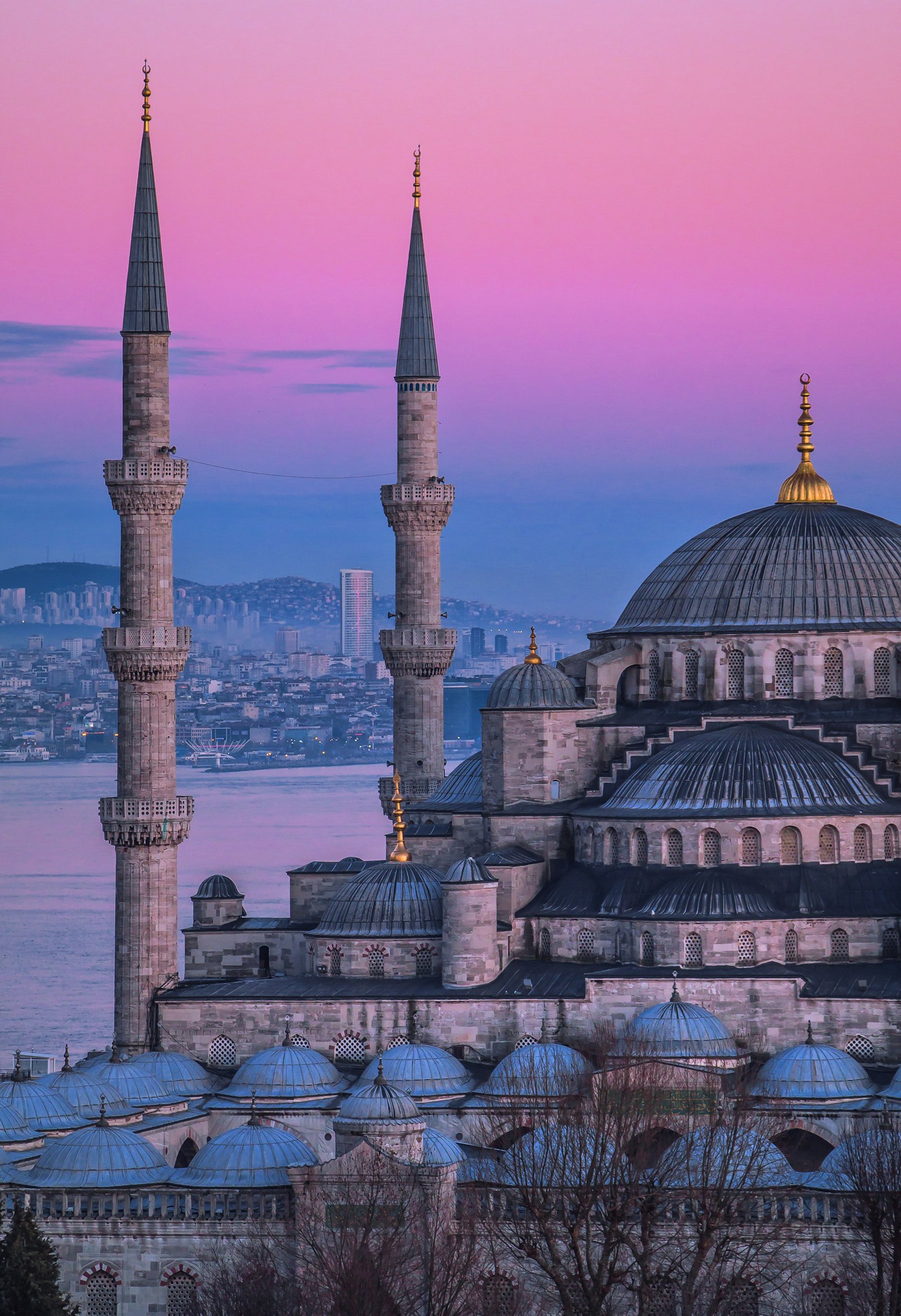
The Western Wall plaza with the Dome of the Rock rising behind it — the most sacred and most contested view in Jerusalem.
💰 Budget Breakdown
Jerusalem's major holy sites — Western Wall, Church of the Holy Sepulchre, Via Dolorosa, Yad Vashem — are all free to enter. The main costs are accommodation and food. Budget travellers can have a deeply meaningful trip at $60–80/day.
| Category | Budget | Mid-Range | Luxury |
|---|---|---|---|
| 🏨 Accommodation (per night) | $22–33 (hostel dorm) | $120–160 (3-star hotel) | $400–600 (5-star) |
| 🍽 Food (per day) | $15–22 | $35–55 | $100–180 |
| 🚌 Transport (per day) | $5–10 | $15–25 | $80–120 |
| 🎟 Activities (per day) | $15–25 | $40–60 | $80–150 |
| TOTAL (per day) | $60–80 | $140–180 | $320–450 |
💚 Budget ($60–80/day)
Stay at Abraham Hostel (dorms 120–150 NIS), eat falafel and hummus from the Muslim Quarter and Mahane Yehuda, use buses and trains everywhere. The major holy sites are all free. Entirely doable and deeply rewarding.
🌟 Mid-Range ($140–180/day)
Stay at Harmony Hotel or Legacy Hotel near Jaffa Gate ($120–160/night), eat at Machneyuda and the better Mahane Yehuda restaurants, book a half-day guided Old City walk via GetYourGuide. The sweet spot for most international travellers.
👑 Luxury ($320–450/day)
King David Hotel or Waldorf Astoria Jerusalem ($400–600/night), private guides for all major sites, private transfer to Masada and the Dead Sea, dinner at Eucalyptus or Machneyuda. Jerusalem's top end is genuinely world-class.
Get the free travel guide
+ weekly destination tips
Download the Rajasthan 7-Day Guide instantly — day-by-day itinerary, real budgets, local food spots & packing list. Plus weekly guides from 2,400+ travellers' favourite destinations.
No spam, ever. Unsubscribe with one click.
🏨 Where to Stay in Jerusalem
Staying inside or immediately adjacent to the Old City (near Jaffa Gate) allows early morning access to the holy sites before day-trippers arrive. West Jerusalem (near Ben Yehuda Street and Mahane Yehuda) offers better restaurant and nightlife options. Both work well for a 4-day trip.
King David Hotel
Legendary luxury · West Jerusalem
The most famous hotel in Jerusalem — Churchill, Kissinger, and every head of state since 1931 have stayed here. Rooms look directly at the Old City walls. The rooftop pool with Dome of the Rock views is one of Jerusalem's great luxury experiences. Book at least a month ahead.
American Colony Hotel
Historic boutique · East Jerusalem
A 19th-century pasha's palace turned legendary hotel, historically neutral ground between Israeli and Arab Jerusalem. Garden courtyard, swimming pool, excellent restaurant. A different, quieter side of Jerusalem — close to the Old City but away from the tourist crush.
Mamilla Hotel
Design boutique · Adjacent to Jaffa Gate
Contemporary design hotel directly facing the Jaffa Gate and Old City walls. The rooftop bar has one of the best Old City views in Jerusalem. Walking distance to everything. The premium location justifies the price for most travellers who want comfort without the full King David bill.
Abraham Hostel Jerusalem
Boutique hostel · Near Jaffa Gate
Jerusalem's best hostel by a considerable margin. Clean, well-run, excellent social atmosphere, free walking tours, and close to Jaffa Gate and the Old City. Dorm beds are among the best-value accommodation in the city. Book ahead — it fills fast in peak season.
🍽️ Where to Eat in Jerusalem
Jerusalem's food scene spans cheap, extraordinary Muslim Quarter street food to some of the finest restaurants in the Middle East. The Israeli breakfast tradition — hummus, tahini, roasted aubergine, labneh, fresh-baked bread — is one of the world's great morning meal cultures and available even at budget cafés.
Machneyuda
Contemporary Israeli · Near Mahane Yehuda Market
Jerusalem's most celebrated restaurant. The kitchen is open to the dining room, the music is loud, the food is extraordinary — contemporary Israeli cuisine built on market produce, Ashkenazi technique, and Sephardic flavour. Tasting menu 250–350 NIS ($68–95). Book weeks ahead for weekend tables. Worth it.
Azura
Traditional Sephardic · Mahane Yehuda Market
A tiny, legendary restaurant inside the Shuk serving Sephardic Jewish and Kurdish-Israeli food — slow-cooked stews, mejadra, stuffed peppers, lamb offal. Lunch only, cash only, queues form early. One of Jerusalem's most authentic eating experiences. 60–100 NIS ($16–27) per person.
Tmol Shilshom
Literary café-restaurant · City centre
A beloved Jerusalem institution — a book-lined café in a 19th-century stone building serving excellent shakshuka, salads, and Israeli lunch plates. Popular with writers, academics, and thoughtful travellers. An antidote to the tourist-facing restaurants near the Old City. 60–120 NIS ($16–33).
Muslim Quarter Street Food
Street food · Al-Wad & Suq Khan al-Zeit
The cheapest and most satisfying food in Jerusalem. Falafel sandwiches 8 NIS ($2), fresh-squeezed pomegranate juice 10 NIS ($3), knafeh 20 NIS ($5), shawarma wraps 25–35 NIS ($7–9). Eat standing at a stall, absorb the chaos of the souk, and spend less than $10 on a full meal.
Where to Stay in Jerusalem Israel
Verified prices · Instant booking
King David Hotel Jerusalem
Legendary luxury · West Jerusalem
Mamilla Hotel
Design boutique · Jaffa Gate
American Colony Hotel
Historic boutique · East Jerusalem
Abraham Hostel Jerusalem
Boutique hostel · Near Jaffa Gate
Affiliate links — we earn a small commission at no extra cost to you. Helps keep our guides free.
Things to Do in Jerusalem Israel
Tours & experiences · Instant confirmation
Jerusalem Old City Walking Tour
Most bookedJerusalem Dead Sea & Masada Day Tour
Best comboTower of David Night Spectacular
Best eveningHezekiah's Tunnel Guided Tour
Affiliate links — we earn a small commission at no extra cost to you.
❌ Mistakes to Avoid in Jerusalem
Visiting Temple Mount Without Checking Hours
Temple Mount is only open to non-Muslims for a few hours each morning (approx 7:30–11:00am) and a brief afternoon window on weekdays. It is closed Fridays and Saturdays entirely. Dozens of travellers are turned away every day. Check current times at the Israeli Tourism Ministry website — they change seasonally and due to religious holidays.
Underdressing for Religious Sites
The Western Wall, Temple Mount, Church of the Holy Sepulchre, and most mosques require covered shoulders and knees for all genders. Keep a light shawl in your bag at all times. Some sites provide coverings at the entrance but quality is poor and you may queue. Arriving appropriately dressed saves time and avoids embarrassment.
Photographing Soldiers or Security Infrastructure
Israel has extensive visible security. Photographing military personnel, checkpoints, or border infrastructure can result in memory card confiscation and lengthy questioning. Stick to photographing the ancient and the beautiful. When in doubt, ask first.
Shopping Only in Old City Souvenir Stalls
The souvenir shops in the Old City's tourist corridors are overpriced and mostly sell mass-produced goods. For authentic Armenian ceramics, handmade olive wood items, and genuine Dead Sea products, visit the Armenian Quarter's workshops or the Jewish Quarter's Judaica shops. Price-check everything.
Not Accounting for Shabbat
From Friday sunset to Saturday night, Israeli public transport (buses, trains) shuts down almost completely. Many Jewish-owned restaurants and shops close. If arriving or departing Saturday, book a private transfer in advance. Plan your Shabbat day around open sites: the Old City, Arab Quarter shops, and East Jerusalem continue normally.
Staying in the Dead Sea Too Long
The hypersaline Dead Sea water is wonderful for 10–20 minutes. Beyond that, the salt aggressively draws moisture from your skin, and any cut or nick becomes intensely painful. Do not shave within 24 hours of visiting. Do not put your face in the water. Rinse immediately in fresh water after. The experience is remarkable — but it has a time limit.
💡 Pro Tips for Jerusalem
Arrive at Religious Sites at Opening Time
The Church of the Holy Sepulchre, Western Wall, and Temple Mount are all at their most peaceful and photogenic 30–60 minutes after opening. By 10am, tour groups arrive in waves. Early mornings in Jerusalem are also cooler, and the golden light on the limestone walls is extraordinary.
Get a Good Map of the Old City
The Old City's alleyways are a genuine labyrinth — narrow lanes, no sight lines, streets that change names mid-block, no GPS in covered souqs. Download Maps.me offline (it has the best Old City detail) and pick up a free physical map from the tourist office at Jaffa Gate. Getting intentionally lost is part of the experience — but knowing roughly where you are prevents real frustration.
Book Yad Vashem and Tower of David Night Show in Advance
Yad Vashem requires timed entry reservations — spots fill days ahead in peak season. The Tower of David Night Spectacular sells out on weekends. Book both at least 3–5 days ahead. The night show runs March–October.
Eat a Proper Israeli Breakfast Every Morning
Israeli breakfast culture is extraordinary — hummus, tahini, roasted aubergine, fresh cheeses, labneh, boiled eggs, Israeli salad, and freshly baked bread. Even budget cafés serve a version for 50–80 NIS ($13–22). It will keep you full until early afternoon and is arguably the world's best breakfast culture.
Exchange Money at Mahane Yehuda, Not the Airport
Airport exchange desks offer the worst rates in Israel. Use ATMs at Israeli bank branches or licensed money changers near Mahane Yehuda Market for the best rates. US Dollars are accepted in tourist businesses at approximately $1 = 3.5 NIS — an unfavourable rate. Exchange to NIS before spending in markets and street food stalls.
Use GetYourGuide for Tours and Skip-the-Line Access
For guided tours of the Old City, Masada and Dead Sea combos, and the Tower of David Night Show, GetYourGuide offers vetted local guides with confirmed booking. Particularly valuable for Temple Mount tours (where context transforms the experience) and for Hezekiah's Tunnel guided visits at getyourguide.com with partner_id=PSZA5UI.
📸 Been to Jerusalem?
Share your photos and get featured in this guide with full credit. Your real photos help thousands of travellers plan better trips.
❓ Frequently Asked Questions
Plan your Jerusalem trip
You Might Also Like


Questions & Comments
Been there? Planning a trip? Drop it below — we reply to everything.
Have you visited this destination?
Any tips you'd add to this guide?
Questions before your trip?
Want a personalised itinerary?
We'll build your day-by-day plan in 24 hours — free.