
Mount Abu in 2 Days: Dilwara Temples, Nakki Lake & Guru Shikhar
2 complete plans with real timings, honest reviews, and why Rajasthan's only hill station deserves a spot on your itinerary.
Dilwara Temples are the single most extraordinary piece of marble carving in India — more detailed than the Taj Mahal, and I'm not exaggerating. The ceiling of Luna Vasahi temple looks like it was carved by angels, not humans.
Mount Abu is Rajasthan's only hill station and most Rajasthan tourists skip it for the desert cities. That's their loss — it's 15°C cooler than Jaipur and has zero crowds. While everyone fights for selfie space at Amber Fort and Mehrangarh, you get world-class Jain architecture, a hilltop lake, the highest peak in the state, and genuinely pleasant weather — all in a compact town you can explore in 2 days.
Mount Abu sits at 1,220 metres in the Aravalli Range. It's the kind of place where you show up expecting a minor hill station detour and leave thinking it was a highlight of your Rajasthan trip. The Dilwara Temples alone justify the trip. Everything else is a bonus.
Dilwara Temples
Key Sight
2 Days
Duration
₹3,500
Budget From
Oct–Mar
Best Season
🗓 Best Time to Visit
Mount Abu is pleasant most of the year compared to the rest of Rajasthan, but October to March is when the weather is genuinely perfect for walking and trekking.
Best Season
October-November is warm and clear (12-28°C). December-February gets chilly, especially at night (4-20°C) — carry a jacket. The temples, lake, and Guru Shikhar are at their most photogenic. Minimal crowds compared to Rajasthan's desert cities.
Warm but Bearable
Temperatures reach 33-36°C — hot for a hill station but still 10-15°C cooler than the Rajasthan plains. Many Gujarati and Rajasthani families come here specifically to escape the heat. It's crowded on weekends but manageable on weekdays.
Monsoon
Heavy rain, lush greenery, waterfalls come alive. The hills are stunning but trails get slippery, Guru Shikhar can be foggy, and some roads close temporarily. Trevor's Tank and the wildlife sanctuary are at their best in late monsoon. Carry rain gear.
⚡ Pick Your Plan
Same 2-day route, two comfort levels. Mount Abu is very affordable for a hill station.
| Category | Budget | Comfortable |
|---|---|---|
| Stays | Basic guesthouses near Nakki Lake | Heritage hotels, resorts with valley views |
| Transport | Shared autos + walking | Private cab for the full trip |
| Food | Street food + local dhabas | Hotel restaurants + quality cafes |
| Total (pp) | ₹3,500-5,000 | ₹6,000-15,000 |
📅 Day-by-Day Itinerary
Day 1: Dilwara Jain Temples morning → Nakki Lake → Sunset Point. Day 2: Guru Shikhar → Achalgarh Fort → Trevor's Tank → Wildlife Sanctuary.
- ●8:00am: Start at the Dilwara Jain Temples. This is the reason you came to Mount Abu and possibly the most underrated architectural site in India. Five temples built between the 11th and 13th centuries, and the marble carving inside is beyond anything you've seen. The ceiling of Vimal Vasahi (1031 AD) and Luna Vasahi (1230 AD) temples features marble carved so thin it's almost translucent. No photography allowed inside — put your phone away and just look up.
- ●The temples are free to enter and open 12:00-5:00pm for non-Jains. Morning hours (6:00-11:00am) are reserved for Jain worshippers, but you can enter during these hours if you're quiet and respectful. The morning slot has far fewer tourists. Allow 1.5-2 hours minimum.
- ●Stay at budget guesthouses or hotels near Nakki Lake: ₹600-1,200/night. Mount Abu has plenty of affordable options, especially on weekdays. Walk-ins work outside peak season.
- ●11:00am: Walk to Nakki Lake. The lake is the social centre of Mount Abu — a natural lake at 1,200 metres surrounded by hills and strange rock formations. The Toad Rock on the south shore actually looks like a toad. Pedal boats cost ₹100-200 for 30 minutes. The lakeside walk is pleasant and takes about 40 minutes for the full loop.
- ●12:30pm: Lunch at a local dhaba near the market. Gujarati and Rajasthani thalis for ₹80-150. The market area behind Nakki Lake has the cheapest and most authentic food. Dal-baati-churma is the must-try.
- ●2:00pm: Rest during the afternoon. Even though Mount Abu is cooler than the plains, the midday sun at altitude is still strong. Explore the market for souvenirs — sandalwood items, Rajasthani textiles, and Sirohi silver are the best buys.
- ●4:30pm: Head to Sunset Point. Sunset Point is named accurately but it's packed by 5pm. The viewing area gets genuinely crowded with domestic tourists, especially on weekends. The sunset itself — over the Aravalli hills with the plains stretching to the horizon — is beautiful. Get there by 4:30pm for a decent spot.
- ●7:00pm: Dinner and evening stroll along the lake. Nakki Lake at night is peaceful — fairy lights, street food stalls, families walking. The temperature drops quickly after sunset (carry a jacket Oct-Feb). Try the local kulfi and masala corn from the lakeside vendors.
- ●7:00am: Early start for Guru Shikhar. At 1,722 metres, Guru Shikhar is the highest peak in the entire Aravalli Range and the highest point in Rajasthan. It's 15km from Mount Abu town. You can drive most of the way and then climb 300-400 stone steps to the summit. There's a small Dattatreya temple at the top.
- ●Sunset Point is named accurately but it's packed by 5pm. Guru Shikhar gives you the same sunset with 360-degree views and maybe 10 other people. For sunrise, it's even more dramatic — the light hitting the Aravalli ridgeline with the plains below is one of the best views in Rajasthan. The early morning drive up is cool and quiet.
- ●Transport to Guru Shikhar: Shared auto from town ₹30-50 per person, or hire a return auto for ₹300-500. The road is good but narrow in places.
- ●9:30am: Achalgarh Fort. On the way back from Guru Shikhar, stop at Achalgarh Fort — a 14th-century Paramara dynasty fort rebuilt by Maharana Kumbha. The fort is partially in ruins but the Achaleshwar Mahadev Temple inside is remarkable — it has a toe-print of Lord Shiva instead of the usual lingam. The Mandakini Lake nearby has three stone buffalo statues from the original fort period. Free entry, 45 minutes to explore.
- ●11:00am: Trevor's Tank (Trevor's Crocodile Park). A small artificial lake about 5km from town, named after a British engineer. The draw here isn't the crocodiles (you may or may not see them) — it's the birdwatching. The area around the tank is thick forest and attracts grey herons, cormorants, painted storks, and in winter, migratory species. Peaceful spot, 30-45 minutes.
- ●11:45am: Brunch at a budget option back in town. Poha, kachori, and chai from the market stalls: ₹50-100. Mount Abu market food is cheap and fills you up.
- ●1:00pm: Mount Abu Wildlife Sanctuary. The sanctuary covers 290 sq km around the town and is home to sloth bears, leopards (rarely seen), sambhar deer, langurs, and over 250 bird species. The entry point is near the town itself. A short nature walk along the marked trails (2-3km) takes 1.5-2 hours. Entry fee: ₹10-20 for Indians, ₹80-100 for foreigners. Keep noise low and you'll spot langurs and deer easily.
- ●3:30pm: Final walk around Nakki Lake and the market. Pick up last-minute souvenirs. The sandalwood and bamboo crafts are genuinely good quality here.
- ●4:30pm: Depart. Shared taxi to Abu Road station: ₹50-80 per person, 30-40 minutes. Trains to Ahmedabad (4 hours), Jaipur (8 hours), and Delhi (12 hours). Or take a direct bus to Udaipur: 4 hours, ₹200-350.
🛕 Key Sights
Everything worth seeing in Mount Abu, ranked by importance. The town is compact and all sights are within 15km of Nakki Lake.
Dilwara Jain Temples
11th-13th century marble temples · Free entry · 1.5-2 hours
The finest marble carving in India, full stop. Five temples with ceilings that defy belief — the marble is carved so thin light passes through it. Vimal Vasahi (1031 AD) and Luna Vasahi (1230 AD) are the showstoppers. No photography inside. Morning hours (6-11am) are for Jain worshippers but quieter. Afternoon (12-5pm) is open to all.
Guru Shikhar
Highest peak in Rajasthan · 1,722m · Free · 1-1.5 hours
The roof of Rajasthan. Drive 15km from town, climb 300-400 steps, and get a 360-degree panorama of the Aravallis. A small Dattatreya temple sits at the summit. Far quieter than Sunset Point with better views. Go early morning for sunrise or late afternoon for sunset.
Nakki Lake
Natural hill lake · Free · 1-2 hours
The heart of Mount Abu. A natural lake at 1,200m surrounded by hills and distinctive rock formations (Toad Rock is the famous one). Pedal boats ₹100-200 for 30 minutes. The lakeside walk is 40 minutes for the full loop. Best at dawn and after dark when the fairy lights come on.
Achalgarh Fort
14th-century fort with Shiva temple · Free · 45 min
Partially ruined Paramara fort rebuilt by Maharana Kumbha. The Achaleshwar Mahadev Temple has a unique Shiva toe-print instead of a lingam. Mandakini Lake with stone buffalo statues is worth the stop. On the road to Guru Shikhar, so combine the two.
Trevor's Tank
Lake · Birdwatching · 30-45 min
Small artificial lake 5km from town, surrounded by thick forest. Excellent for birdwatching — herons, cormorants, painted storks, and winter migrants. You might spot marsh crocodiles. The forest walk around the tank is peaceful and a nice break from temple-hopping.
Mount Abu Wildlife Sanctuary
290 sq km · ₹10-100 · 1.5-2 hours
Home to sloth bears, leopards, sambhar deer, langurs, and 250+ bird species. The sanctuary surrounds the town, so you're technically inside it the whole time. Short nature walks on marked trails are the best way to explore. Mornings are best for wildlife spotting. Keep quiet and you'll see deer and langurs easily.
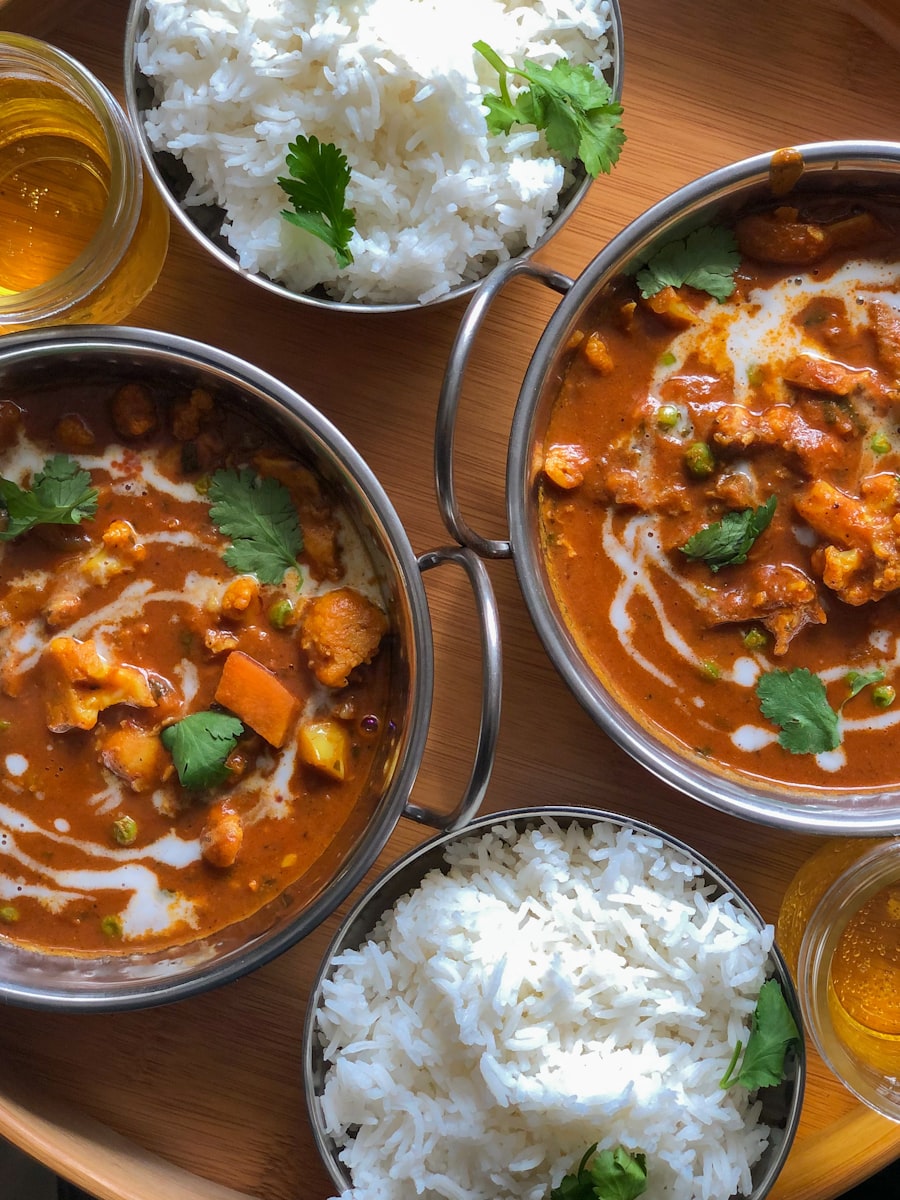
Mount Abu food is honest Rajasthani-Gujarati fare — dal-baati-churma is the must-try, and the market dhabas behind Nakki Lake are where the locals actually eat.
💰 Budget Breakdown
Budget
₹3,500-5,000
per person
Comfortable
₹6,000-15,000
per person
* All prices per person. Does not include travel to/from Mount Abu. Budget assumes basic guesthouses, shared transport, and dhaba food. Most temples are free. Wildlife sanctuary entry is nominal.
Where to Stay in Mount Abu
Compare prices · Free cancellation on most rooms
Tours & Activities in Mount Abu
Skip the queue · Instant confirmation · Free cancellation
Affiliate links — we earn a small commission at no extra cost to you. Helps keep our guides free.
❌ Mistakes to Avoid
Rushing through Dilwara Temples
Many tourists walk through in 20 minutes and leave. The marble ceilings need slow, careful observation to appreciate — the detail is fractal. Budget 1.5-2 hours minimum. Go in the morning for fewer crowds and better light filtering through the marble.
Going to Sunset Point on a weekend
Sunset Point on weekends is a zoo — hundreds of tourists, honking cars, vendors shouting. Guru Shikhar gives you a superior sunset with a fraction of the crowd. If you must do Sunset Point, go on a weekday and arrive by 4:30pm.
Skipping Guru Shikhar because it sounds hard
It's not a trek — you drive to a parking lot and walk 300-400 steps. Anyone who can climb stairs can do this. The view from the highest point in Rajasthan is worth every step. Don't miss it.
Visiting only in summer
Mount Abu is marketed as a summer escape, but it still hits 33-36°C in peak summer. October-March is genuinely pleasant at 10-25°C. The winter months are the best time for temple visits and trekking to Guru Shikhar.
Not carrying cash
Many smaller shops, autos, and the wildlife sanctuary entry only accept cash. ATMs exist in town but can run out on weekends. Carry ₹2,000-3,000 in cash for a 2-day trip.
Expecting Shimla or Manali vibes
Mount Abu is a small, quiet Rajasthani hill station — not a Himachali hill town. It's about temples, a lake, and gentle walks, not snow or adventure sports. Adjust your expectations and you'll love it.
💡 Pro Tips
Sunrise at Guru Shikhar
Skip Sunset Point entirely and do Guru Shikhar for sunrise instead. Leave town by 5:30am, drive 15km, climb the steps in the dark (carry a torch). The sunrise from the highest point in Rajasthan is extraordinary and you'll have the summit to yourself.
Dilwara Morning Slot
The temples are officially for Jain worshippers from 6-11am, but non-Jains can enter if quiet and respectful. The morning light filtering through the marble carvings is a different experience from the afternoon. Far fewer people too.
Abu Road Is Your Gateway
Mount Abu town has no railway station. Abu Road station (28km downhill) connects to Ahmedabad, Jaipur, Jodhpur, and Delhi. Shared taxis to Mount Abu cost ₹50-80 per person. The ghat road drive up is scenic — sit on the right side for the best views.
Carry Layers Oct-Feb
Mount Abu temperatures drop sharply after sunset in winter. Daytime might be 20°C but nights hit 4-8°C. A light jacket or fleece is essential. The Guru Shikhar sunrise trip is especially cold.
Birdwatching at Trevor's Tank
Carry binoculars if you have them. Trevor's Tank has grey herons, cormorants, painted storks, and in winter, migrants from Central Asia. Early morning (7-8am) is best. The forest around the tank is genuinely pristine.
Shopping Tips
Sandalwood items, Sirohi silver, and Rajasthani textiles are the best buys. The market near Nakki Lake has fixed-price government emporiums alongside bargain shops. Bargain at private shops — start at 50% of asking price. Avoid ‘marble’ souvenirs that are actually resin.
Want This Planned for You?
Tell us your dates and group — we'll send a personalised Mount Abu & Rajasthan itinerary within 24 hours. Free.
❓ Frequently Asked Questions
Mount Abu — Highlights
The best of Mount Abu in photos.
📸
Mount Abu Landscape
Mount Abu Landscape
The stunning landscapes of Mount Abu.
Planning a Longer Rajasthan Trip?
Nearby & Related


Questions & Comments
Been there? Planning a trip? Drop it below — we reply to everything.
Have you visited this destination?
Any tips you'd add to this guide?
Questions before your trip?
Want a personalised itinerary?
We'll build your day-by-day plan in 24 hours — free.