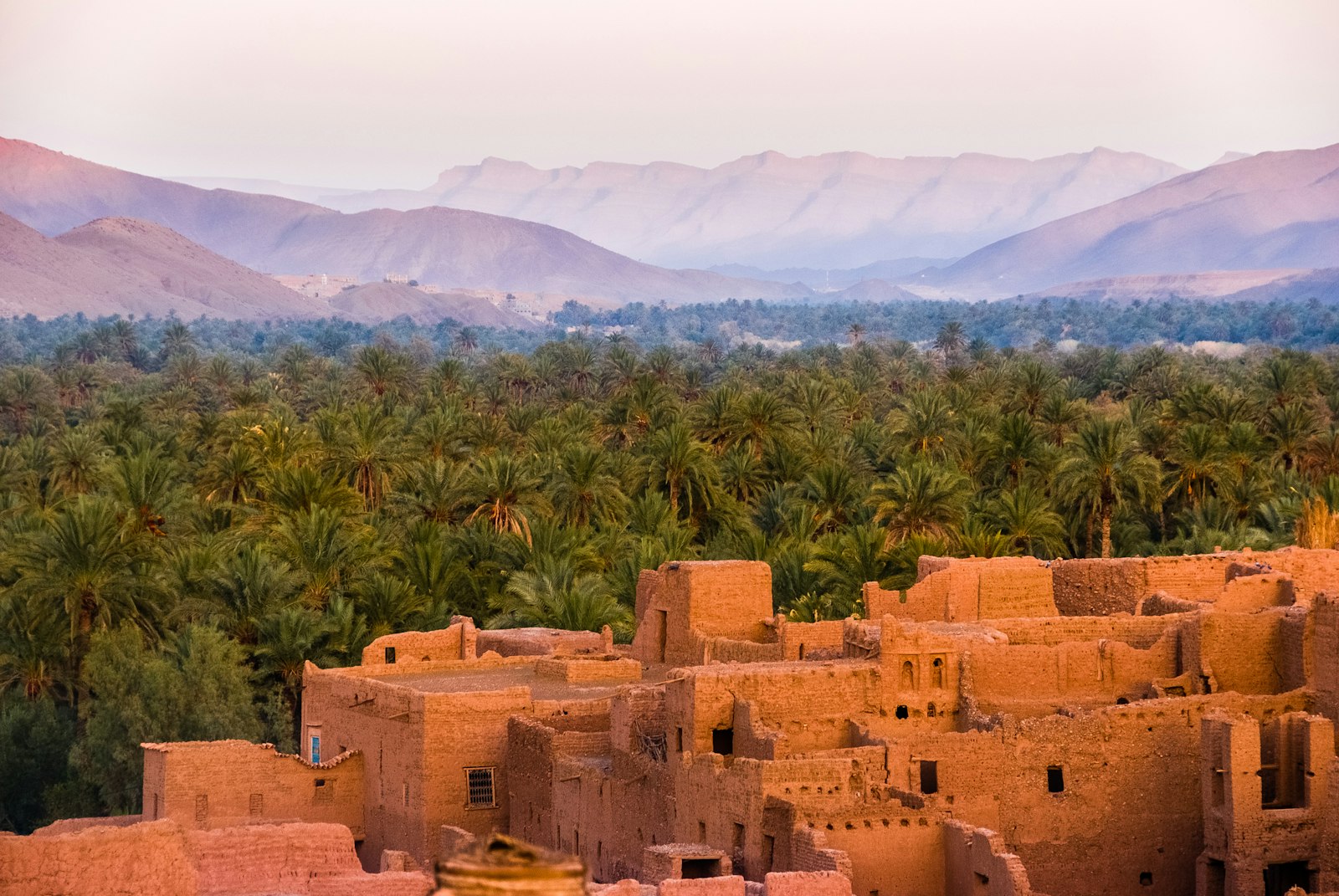
Morocco in 7 Days: Marrakech, Fes, Sahara & Chefchaouen
Djemaa el-Fna at dusk, Fes medina tanneries, a night under Sahara stars in Merzouga, and the blue alleyways of Chefchaouen at dawn. The complete guide with real costs in MAD & USD, and the mistakes that ruin most Morocco trips.
Delhi · Visited: Kedarnath, Gangotri, Manali, Shimla, Rishikesh & more · April 2026 · 17 min read
Morocco does not ease you in gently. From the moment you step into the Djemaa el-Fna square at dusk — smoke from a hundred food stalls, a snake charmer's flute, storytellers in the crowd, the call to prayer rolling over the rooftops — it is unlike anywhere else on earth. Seven days lets you move from Marrakech's medieval medina through the world's oldest university city in Fes, sleep under a canopy of Sahara stars in Merzouga, and wander the blue-washed alleyways of Chefchaouen before the tour groups arrive.
⚡ What Morocco Actually Is
Morocco is a North African kingdom straddling the Arab and Berber worlds, bordered by the Atlantic, the Mediterranean, the Atlas Mountains and the Sahara Desert. The country has been continuously inhabited for over 300,000 years and its imperial cities — Marrakech, Fes, Meknes, Rabat — are layered with Roman, Islamic, Berber and French colonial history. The medinas (old walled cities) of Fes and Marrakech are UNESCO World Heritage Sites and rank among the most architecturally significant urban spaces on earth.
The tourism reality: Marrakech is the gateway city and gets the most visitors, but it is neither the most beautiful nor the most interesting city in Morocco. Fes is older, less touristified, and architecturally more extraordinary. The Sahara Desert at Merzouga is a genuine wilderness experience. Chefchaouen is the most photogenic small city in Africa. And Essaouira on the Atlantic coast is the laid-back antidote to medina intensity. Seven days lets you cover the essential circuit without rushing.
Morocco is a Muslim-majority country that is socially conservative outside tourist areas but welcoming and safe for visitors. French and Arabic are the primary languages; English is widely understood in tourist centres. The currency is the Moroccan Dirham (MAD) — approximately 10 MAD = $1 USD. Cash is king in the medinas; cards are accepted at mid-range and upscale establishments.
RAK / CMN
Airports
Mar\u2013May, Sep\u2013Nov
Best Season
9 Cultural
UNESCO Sites
$35/day
Budget From
🌡️ Best Time to Visit Morocco
Mar–May — Spring — Best Overall
Recommended
18–28°C with wildflowers in the Atlas and comfortable medina temperatures. The Sahara is warm but not scorching. This is the ideal window for a first visit — every destination in Morocco is at its best. Book riads 2–3 weeks ahead for peak spring dates.
Jun–Aug — Summer — Hot Interior
Coast only
30–45°C in Marrakech and the desert. Fes can hit 40°C+ in July–August. The coast (Essaouira, Tangier) stays pleasant at 22–28°C. If visiting in summer, spend more time on the coast and tackle medinas in the early morning and evening. The Sahara above 40°C is genuinely punishing.
Sep–Nov — Autumn — Excellent Value
Best value
22–32°C with dropping temperatures and thinner crowds. September is still warm; October and November are ideal. Date harvests in the Sahara oases happen in October. Riad prices drop 20–30% from summer peaks. Arguably the best value season in Morocco.
Dec–Feb — Winter — Cold Nights
Budget travellers
8–18°C daytime in Marrakech, dropping to 0–5°C at night in Fes, Chefchaouen and the desert. Many budget riads have no central heating. The Atlas Mountains get snow. Prices are lowest and tourist crowds are minimal, but pack warm layers and ask about heating before booking.
✈️ Getting to Morocco
Key airports: Marrakech Menara (RAK) for the southern circuit and Mohammed V Casablanca (CMN) for international connections. Indian passport holders need an e-Visa ($30, apply online before travel). Most Western passports get 90 days visa-free.
Marrakech Menara Airport (RAK)
Best for Marrakech startDirect flights from major European hubs (London, Paris, Madrid, Rome) on Ryanair, EasyJet, and Royal Air Maroc. Flight time from London: 3.5 hours. From Paris: 3 hours. Budget airlines frequently run sales at €30–100 return if booked ahead. RAK is 15 minutes from the medina by petit taxi (70–100 MAD / $7–10).
From India
Via Dubai or IstanbulNo direct flights. Best routing: Delhi or Mumbai to Casablanca via Dubai (Emirates, 12–14 hours) or via Istanbul (Turkish Airlines, 13–15 hours). Return fares from ₹40,000–65,000 booked 2–3 months ahead. Royal Air Maroc connects Casablanca to Marrakech in 45 minutes ($30–50) or take the ONCF train (3 hours, $12–25).
Trains & CTM Buses
Excellent networkONCF trains connect Casablanca, Marrakech, Fes, Meknes and Tangier. Comfortable, punctual, and affordable ($10–35 for most routes). CTM and Supratours buses serve routes trains do not, including Marrakech–Essaouira (3 hours, $8–12) and Fes–Chefchaouen (4 hours, $10–14). Book at ctm.ma or oncf.ma.
Petit Taxis & Grand Taxis
Negotiate firstPetit taxis operate within cities (metered, 10–50 MAD for most rides). Grand taxis are shared long-distance taxis (6 passengers) running fixed routes between towns — cheap but cramped. Always agree the fare before getting in. In Marrakech and Fes, insist on the meter or negotiate a fixed price upfront.
📅 7-Day Morocco Itinerary
This itinerary covers mid-range spending (800\u20131,800 MAD/day, ~$80\u2013180). Each day card is expandable. The route runs Marrakech (2 nights) → Fes (2 nights) → Merzouga Sahara (1 night) → Chefchaouen (1 night) → departure. Budget and luxury alternatives are noted in the cost estimates.
- ●Arrive Marrakech Menara Airport (RAK). Petit taxi to your riad in the medina — negotiate the fare before getting in (70–100 MAD / $7–10). Budget riads in the medina start at 250–400 MAD/night ($25–40) and the experience inside a traditional courtyard house is far superior to any modern hotel at the same price.
- ●Afternoon: Bahia Palace (70 MAD / ~$7). The 19th-century vizier’s palace features hand-painted cedarwood ceilings, zellige tile courtyards, and carved stucco. Self-guided walk takes 45 minutes.
- ●Saadian Tombs (70 MAD / ~$7). Sealed for 200 years and rediscovered in 1917, the marble mausoleum holds 66 royal dead under intricate Moorish carving.
- ●Koutoubia Mosque exterior — the 12th-century minaret is visible from across Marrakech. Non-Muslims cannot enter, but the surrounding rose gardens are free. The evening call to prayer from this tower is extraordinary.
- ●Evening: Djemaa el-Fna square at dusk. Morocco’s greatest free spectacle: snake charmers, Gnawa musicians, acrobats, henna artists, and 100+ food stalls. Grilled merguez (10 MAD / $1), harira soup (15 MAD / $1.50), pastilla (30 MAD / $3). Eat here for dinner.
- ●Morning: Majorelle Garden (150 MAD / ~$15). The cobalt-blue villa and cactus garden created by French painter Jacques Majorelle, later restored by Yves Saint Laurent. The YSL Museum is an additional 100 MAD. The garden alone is worth it for the photography.
- ●Medina souks — the covered market streets near Djemaa el-Fna sell leather, spices, argan oil, lanterns, rugs, and ceramics. Bargain always: start at 25–30% of the opening price and work up. Never accept ‘free’ gifts — they come with aggressive pressure to buy.
- ●Hammam experience: local hammam 100–200 MAD ($10–20) for bath, scrub and massage. Tourist hammams (Les Bains de Marrakech, Hammam de la Rose) charge 300–500 MAD ($30–50) with argan oil treatments and proper facilities.
- ●Rooftop dinner overlooking the medina — Nomad (contemporary Moroccan, 250–350 MAD / $25–35 per person) or Le Foundouk in a restored 18th-century caravanserai (300–450 MAD / $30–45 per person). Book ahead for both.
- ●Sunset from a Djemaa el-Fna rooftop café (Café de France, Café Glacier — 20–30 MAD for mint tea). The square transforming below you at the golden hour is unforgettable.
- ●Option A: Atlas Mountains half-day. Shared minivan to Imlil village (2 hours from Marrakech, 200–350 MAD / $20–35 return). Walk through Berber villages with walnut and apple orchards beneath North Africa’s highest peak, Jebel Toubkal (4,167m). Lunch at a village home with a Berber family (80–120 MAD / $8–12).
- ●Option B: Morning CTM bus Marrakech → Fes (8–9 hours, 120–150 MAD / $12–15). Book at the CTM station or online at ctm.ma. Supratours is the other reliable operator. Seat reservation is essential — buses fill up.
- ●If taking the Atlas trip: afternoon ONCF train Marrakech → Fes via Casablanca (approximately 8 hours, 250–350 MAD / $25–35 in 2nd class). Reserve seats online at oncf.ma.
- ●Arrive Fes. Petit taxi to your riad in Fes el-Bali medina (20–40 MAD / $2–4). The narrow streets mean taxis drop you at a medina gate — your riad will send someone to guide you through the alleys to your door. This is normal and expected.
- ●Fes el-Bali is the UNESCO-listed old medina — the largest car-free urban zone in the world and the best-preserved medieval city anywhere. Over 9,000 streets, some only 50cm wide. You will get lost. Embrace it — that is the point.
- ●Hire a certified guide for a half day (200–300 MAD / $20–30). Ask your riad to recommend one with official ID. The guide transforms Fes from overwhelming labyrinth to navigable masterpiece.
- ●Chouara Tannery — leather dyeing pits in use since the 11th century. Coloured vats of natural dyes (poppy for red, indigo for blue, henna for orange). Access via surrounding leather shops — free balcony views in exchange for browsing their goods. The mint sprig at the entrance is functional, not decorative.
- ●Al-Attarine Madrasa (40 MAD / ~$4). 14th-century Quranic school with carved stucco, zellige tile, and cedar woodwork around a central fountain courtyard. Calm, rarely crowded.
- ●Al-Qarawiyyin University — founded in 859 AD by Fatima al-Fihri, the world’s oldest continuously operating university. Predates Oxford by 300 years. Non-Muslims can view from certain external points.
- ●Bou Inania Madrasa (20 MAD / ~$2). Another 14th-century madrasa with particularly fine carved wood and a working clock tower.
- ●Fes to Merzouga: shared grand taxi or organised van (250–400 MAD / $25–40 per seat). The drive is 7–8 hours through the Middle Atlas mountains and cedar forests where Barbary macaques roam freely by the road at Azrou.
- ●Merzouga sits at the edge of Erg Chebbi — the largest sand dune field in Morocco, reaching 150m in height. These are classic Sahara dunes: wind-sculpted orange ridges and a horizon without a building or road.
- ●Camel sunset ride (200–400 MAD / $20–40). A 45-minute ride to the camp on camelback as the dunes turn deep red-orange. Wrap a scarf around your face — sand blows even in still air.
- ●Desert camp overnight — budget camps 300–500 MAD/person ($30–50) including dinner and breakfast. Spend 500–700 MAD ($50–70) for a proper camp with private Berber tent, communal fire, and drumming. The Milky Way from the Sahara with zero light pollution is one of the great sights of travel.
- ●Wake at 5am for sunrise on the dunes. The light at dawn is softer and the dunes cast longer shadows than at sunset.
- ●Merzouga to Chefchaouen is a long transfer (9–10 hours via Fes). Share a private car (1,200–1,500 MAD / $120–150 total) among 3–4 travellers — competitive with the bus. Alternatively take a shared van to Fes then CTM bus to Chefchaouen.
- ●Chefchaouen’s entire medina is painted in shades of blue — pale cornflower, deep cobalt, dusty indigo. A tradition begun in the 1930s and sustained ever since. The morning light turns narrow alleyways into glowing blue channels.
- ●Uta el-Hammam square — the main square at the heart of the medina. The kasbah museum (10 MAD / $1). Sit at a café with mint tea (10–15 MAD) and watch the medina operate.
- ●Ras El Ma waterfall — free. A 15-minute walk from the medina centre. Local women wash wool in the stream. Green hillside against the blue city below creates an arresting colour combination.
- ●Best photography between 3–5pm when lower sun creates depth in the alleyways. Climb the hillside behind the medina for the full panoramic view over the blue rooftops toward the Rif mountains.
- ●Spanish Mosque hike — 20 minutes uphill behind the medina. The best panoramic view of the blue city in the valley. Go at sunset. Free, clearly marked path.
- ●Option A: Chefchaouen to Tangier (3 hours by CTM bus, 80–120 MAD / $8–12). Fly from Tangier Ibn Battouta Airport (TNG). Or continue to Casablanca (CMN) for international connections.
- ●Option B: If returning to Marrakech — Chefchaouen → Fes (4h) → Marrakech by overnight CTM bus (8–9h, 150–180 MAD / $15–18). Saves a night’s accommodation.
- ●Option C: Add Essaouira (Atlantic coast) — a laid-back port city with blue fishing boats, rampart walls, and fresh-grilled sardines for 30 MAD ($3). A perfect decompression stop after medina intensity. Buses from Marrakech take 3 hours ($8–12).
- ●Currency note: spend remaining dirhams before departure — MAD is a closed currency and difficult to exchange outside Morocco. Airport rates are poor.
- ●Tipping summary: 10–20 MAD for riad staff, 20–30 MAD for hammam attendants, 50–100 MAD/day for tour guides, 5–10 MAD for parking attendants. Budget approximately 30–50 MAD/day ($3–5) for tips.
Free · Personalised · 24hr Reply
Want this Morocco plan customised for your dates?
Tell us your group size, budget, and travel dates. We'll build a day-by-day plan around you — completely free.
No account · No credit card · Takes 2 minutes
🕌 Landmark Guide
The most important landmarks and cultural sites across the 7-day route. Entry fees are as of early 2026.
Djemaa el-Fna (Marrakech)
Morocco’s most iconic public space transforms at dusk: 100+ food stalls, Gnawa musicians, snake charmers, storytellers, and acrobats. The atmosphere between 6–8pm is unlike anything else in North Africa. Eat at the stalls — merguez, harira soup, and pastilla for under $5 total.
Chouara Tannery (Fes)
Leather dyeing pits in continuous use since the 11th century. Natural dyes create vivid reds, blues, oranges and yellows in stone vats. Best photography 8–11am on a sunny day. The surrounding leather shops offer balcony access — go to the highest floor for the widest angle.
Bahia Palace (Marrakech)
19th-century vizier’s palace with hand-painted cedarwood ceilings, zellige tilework, and carved stucco courtyards. The scale and detail of the decorative work is extraordinary. Self-guided visit takes 45 minutes.
Al-Qarawiyyin University (Fes)
Founded 859 AD by Fatima al-Fihri — the world’s oldest continuously operating university. The library (founded 1359) has been painstakingly restored. Non-Muslim access is limited to external viewpoints but the historical significance is immense.
Majorelle Garden (Marrakech)
Cobalt-blue villa and cactus garden created by French painter Jacques Majorelle, saved and restored by Yves Saint Laurent. The YSL Museum (additional 100 MAD) is excellent. The garden is one of the most photographed spots in Marrakech.
Erg Chebbi Dunes (Merzouga)
Morocco’s largest sand dune field reaching 150m in height. Classic Sahara landscape: wind-sculpted orange ridges stretching to the Algerian border. The overnight desert camp and star-gazing experience is consistently rated the highlight of any Morocco trip.
Morocco \u2014 Medinas, Dunes & Blue Cities
Ancient walled cities, Sahara silence, and the blue alleyways of the Rif Mountains.
📸
Djemaa el-Fna at Dusk
Djemaa el-Fna at Dusk
Marrakech’s iconic square transforms nightly into the greatest open-air spectacle in North Africa.
💰 Budget Breakdown
Morocco is excellent value at every budget level. Costs in Moroccan Dirham (MAD) and USD at approximately 10 MAD = $1. The Sahara desert camp is the single biggest cost variable.
| Category (7 days) | 💰 Budget | ✨ Mid-Range | 💎 Luxury |
|---|---|---|---|
| 🏨 Accommodation (7N) | 1,750–3,500 MAD ($175–350) | 4,200–8,400 MAD ($420–840) | 14,000–56,000 MAD ($1,400–5,600) |
| 🍽 Food & Drinks | 700–1,050 MAD ($70–105) | 2,100–2,800 MAD ($210–280) | 4,200–10,500 MAD ($420–1,050) |
| 🚗 Transport | 700–1,400 MAD ($70–140) | 1,750–3,500 MAD ($175–350) | 3,500–7,000 MAD ($350–700) |
| 🎯 Activities & Entry | 350–700 MAD ($35–70) | 1,050–2,100 MAD ($105–210) | 3,500–7,000 MAD ($350–700) |
| 🏜️ Desert Camp (1N) | 300–500 MAD ($30–50) | 700–1,200 MAD ($70–120) | 2,000–5,000 MAD ($200–500) |
| TOTAL (per person) | 3,800–7,150 MAD ($380–715) | 9,800–18,000 MAD ($980–1,800) | 27,200–85,500 MAD ($2,720–8,550) |
💚 Budget (350\u2013600 MAD/day)
Budget riads and hostels (250\u2013500 MAD/night), street food and medina restaurants (100\u2013150 MAD/day), CTM buses and shared grand taxis. Morocco at this level is one of the best-value destinations accessible from Europe.
✨ Mid-Range (1,400\u20132,600 MAD/day)
Beautiful traditional riads (600\u20131,200 MAD/night), restaurant dining with rooftop views, private guides in Fes and Marrakech, a proper desert camp, and ONCF trains. The sweet spot for comfort and authentic experience.
💎 Luxury (3,900+ MAD/day)
Palace hotels (La Mamounia, Royal Mansour), private guides, luxury desert camps with plunge pools, and chartered transfers. Morocco at the luxury level rivals anywhere in the world for experiential quality.
Get the free travel guide
+ weekly destination tips
Download the Rajasthan 7-Day Guide instantly — day-by-day itinerary, real budgets, local food spots & packing list. Plus weekly guides from 2,400+ travellers' favourite destinations.
No spam, ever. Unsubscribe with one click.
🏨 Where to Stay in Morocco
Stay in riads. A riad is a traditional Moroccan townhouse with an internal courtyard open to the sky \u2014 you enter through an anonymous door on a narrow medina street and step into an oasis of tiles, fountains, and orange trees. This is the single best accommodation decision you can make in Morocco. Every city on this route has excellent riad options.
Riad Kniza
Boutique riad · Marrakech Medina
A beautifully restored riad with zellige courtyards, a rooftop terrace overlooking the medina, and breakfast that sets the standard. Central location near Bahia Palace. The kind of place that makes you understand why riads are Morocco’s greatest accommodation tradition.
Desert Luxury Camp (Merzouga)
Sahara camp · Erg Chebbi
Private Berber-style tents with proper beds, solar power, en-suite facilities, and a communal dining tent. Dinner is a full Moroccan spread with live Gnawa drumming around the campfire. The Milky Way from the dunes is the reason you came to Morocco.
Dar Roumana
Boutique riad · Fes Medina
A converted 17th-century mansion in the heart of Fes el-Bali with rooftop dining, a plunge pool, and one of the best kitchens in the city. The owner-chef serves Fassi cuisine that rivals the best restaurants. Walking distance to the tanneries and madrasas.
Casa Perleta
Boutique riad · Chefchaouen
A charming property in the blue medina with a rooftop terrace overlooking the Rif mountains. The blue walls extend inside the riad itself. Breakfast on the terrace with the blue city below is a perfect start to the Chefchaouen morning.
Budget medina hostels
Budget · All cities
Clean hostels and budget riads exist in every medina on this route. Marrakech and Fes have dozens rated 8+ on Booking.com. The medina location gives you the same atmosphere as the expensive riads — you just share a bathroom. Chefchaouen hostels from 120 MAD/night are exceptional value.
🍽️ Where to Eat in Morocco
Moroccan cuisine is one of the great culinary traditions. Tagine (slow-cooked stew in a conical clay pot), couscous (traditionally served on Fridays), pastilla (savoury-sweet pigeon or chicken pie), and harira (tomato-lentil soup) are the essential dishes. Street food in the medinas is safe, cheap, and excellent.
Djemaa el-Fna Food Stalls
Street food · Marrakech
The nightly food market is the most atmospheric dining experience in Morocco. Grilled merguez sausage (10 MAD / $1), harira soup (15 MAD / $1.50), sheep head (for the adventurous), snail broth (5 MAD), and fresh-squeezed orange juice (5 MAD). Each stall has numbered seating. Pick the busiest stall — turnover means freshness.
Friday Couscous
Traditional · Any riad or restaurant
Couscous is traditionally served on Fridays after midday prayer. Most riads and family restaurants prepare a special Friday couscous with seven vegetables, lamb or chicken, and caramelised onions with raisins. This is Moroccan home cooking at its finest. Ask your riad for their Friday lunch — it is usually the best meal of the week. 80–150 MAD ($8–15) per person.
Café Clock
Contemporary Moroccan · Fes
Located on Talaa Kebira in the Fes medina. Famous for the camel burger (80 MAD / ~$8) and Moroccan food served in a converted house with live music on certain evenings. The rooftop terrace has medina views. Book ahead for the music nights. One of the few medina restaurants that consistently gets the food right at mid-range prices.
Pastilla (Bastilla)
Speciality dish · Fes origin
Morocco’s most distinctive dish: layers of warqa pastry filled with shredded pigeon or chicken, almonds, eggs, and spices, dusted with cinnamon and powdered sugar. The sweet-savoury combination is unlike anything in European or Asian cuisine. Best in Fes where it originates. 40–80 MAD ($4–8) depending on the restaurant.
Nomad (Marrakech)
Contemporary Moroccan · Marrakech
Rooftop restaurant in the medina serving updated Moroccan dishes with excellent presentation. Lamb tagine with preserved lemon, aubergine zaalouk, and pomegranate salads. 250–350 MAD/person ($25–35). The terrace views over the medina rooftops are part of the experience. Book ahead.
Where to Stay in Morocco
Verified prices · Instant booking
Riad Kniza
Boutique Riad · Marrakech
Dar Roumana
Boutique Riad · Fes
La Mamounia
Palace Hotel · Marrakech
Casa Perleta
Boutique Riad · Chefchaouen
Affiliate links — we earn a small commission at no extra cost to you. Helps keep our guides free.
Things to Do in Morocco
Tours & experiences · Instant confirmation
Sahara Desert Overnight Camp & Camel Ride
Must doMarrakech Medina Walking Tour
CulturalFes Medina & Tannery Tour
Must doAtlas Mountains Day Trip from Marrakech
AdventureAffiliate links — we earn a small commission at no extra cost to you.
❌ Mistakes to Avoid
Accepting ‘free’ gifts in the souks
A vendor hands you a sprig of herbs, a bracelet, or a trinket and says ‘for you, free, welcome to Morocco.’ Once it is in your hand, he will demand money and become aggressive if you refuse. Never take anything offered unprompted. A firm smile and ‘la shukran’ (no thank you) before it reaches your hand is the correct response.
Not bargaining in the souks
Fixed prices exist in government craft cooperatives and shops with price tags. Everywhere else, the first price is a negotiating opening. Start at 25–30% of asking price, be prepared to walk away, and settle at 40–60%. Not bargaining is considered impolite — it implies you do not respect the exchange.
Skipping Fes to spend more time in Marrakech
Marrakech is Morocco’s most visited city but not its most extraordinary one. Fes el-Bali is larger, older, less touristified, and architecturally more significant. First-time visitors who spend 4 nights in Marrakech and skip Fes consistently say Fes was the highlight. Budget at least 2 nights there.
Visiting in December or January without warm layers
December–January nights in the desert drop to 0–5°C and the medinas of Fes and Chefchaouen are genuinely cold. Many budget riads have no central heating. March–May and September–November are the ideal windows. If visiting in winter, pack warm layers and ask about heating before booking.
Entering Fes medina without a guide on day one
The Fes medina has no grid, no landmarks visible from within the alleys, and unreliable mobile signal in many sections. Even experienced travellers get comprehensively lost. Hire a certified guide on your first day (your riad can recommend one). On subsequent days, once you know the key anchors, navigate solo.
Booking the cheapest Sahara camp
Camps at 150–200 MAD/person ($15–20) mean thin blankets, poor food, no private tent, and shared facilities that are not clean. Spend 500–700 MAD ($50–70) for a proper camp with a private Berber tent, decent meals, and a campfire experience. The desert night is the highlight of a Morocco trip — do not undercut it.
💡 Pro Tips for Morocco
Djemaa el-Fna at dusk — the magical hour
The square transforms between 6–8pm. Food stalls appear, performers set up, the call to prayer echoes from the Koutoubia minaret, and the light turns golden then violet over the Atlas mountains. This is the hour to be here. Eat dinner at the stalls (merguez and harira, 30 MAD / $3 total) rather than at a tourist restaurant.
Tannery at morning light — best photography
The Chouara Tannery in Fes is most photogenic between 8–11am when dye workers are active and early light illuminates the colour vats. Go on a sunny day, to the highest floor of the surrounding leather shops for the widest angle. The mint sprig at the entrance is functional — the ammonia smell is strong.
Chefchaouen before 9am
Day-tripper buses from Fes and Tangier arrive around 10am. By 11am the narrow blue streets are congested. The blue city at 7–8am belongs to you: women sweeping blue steps, cats on blue walls, bakers pulling bread from wood-fired ovens. Stay at least one night so you own the morning.
Sahara stars — no light pollution
Erg Chebbi is sufficiently remote that light pollution is negligible. The Milky Way is visible as a dense band — thousands of individual stars resolvable by the naked eye. Bring a warm layer (temperatures drop sharply after midnight) and lie on the dunes 20 minutes away from the campfire.
Mint tea ritual — three rounds, poured high
Moroccan mint tea (atay) is served in three small glasses poured from height to create froth. Declining the second or third glass is not offensive, but finishing all three signals appreciation. You will be offered tea constantly — in shops, at riads, by strangers. Accept it. It is how conversations begin.
Cash is king in the medinas
Carry MAD for medina shopping, street food, petit taxis, and entry fees. ATMs are plentiful in Marrakech and Fes but scarce in Merzouga and Chefchaouen. Withdraw enough before heading to the desert. The best exchange rates are at banks, not airport counters. MAD is a closed currency — spend it before you leave.
📸 Been to Morocco?
Share your photos and get featured in this guide with full credit. Your real photos help thousands of travellers plan better trips.
❓ Frequently Asked Questions
Plan your Morocco trip
You Might Also Like


Questions & Comments
Been there? Planning a trip? Drop it below — we reply to everything.
Have you visited this destination?
Any tips you'd add to this guide?
Questions before your trip?
Want a personalised itinerary?
We'll build your day-by-day plan in 24 hours — free.