
Lucknow in 3 Days: The Nawabs, the Labyrinth & the Galawati Kebab
3-day guide to Lucknow's Nawabi heritage — Bara Imambara's 489-passage maze, the kebab that melts before you bite it, and the chikan embroidery every visitor carries home.
The galawati kebab at Tunday Kababi dissolves before you finish chewing. It was invented for a toothless Nawab who still insisted on kebabs. Three hundred years later, the recipe hasn't changed.
Lucknow is the city that gave India the 'dum' cooking technique, chikan embroidery, and the most elaborate code of courtly etiquette in the subcontinent. The Nawabs of Awadh built imambaras with labyrinths that still confuse visitors today. Most tourists do Lucknow as a one-day stop between Agra and Varanasi. Three days lets you actually experience it.
Oct–Mar
Best Season
Galawati Kebab
Signature Dish
500 km (by train)
Distance from Delhi
4.6★
Rating
🗓 Best Time to Visit
Lucknow has classic north Indian weather — scorching summers, pleasant winters, and a monsoon that soaks the old city.
Best Season
October–November: warm and dry (20–30°C). December–February: cool (7–20°C) — the food tastes better in the cold and the monuments have fewer visitors. March: comfortable. The old city's narrow lanes are pleasant to walk.
Brutal Summer
Lucknow hits 42–46°C in May–June. The Bara Imambara's open courtyards are baking. The bhul-bhulaiya labyrinth is airless and sweltering. Avoid unless your schedule demands it.
Monsoon
High humidity and intermittent rain. The old city lanes flood easily. September starts cooling — barely manageable. The food tour is still excellent indoors.
⚡ Pick Your Plan
Same 3-day route, two comfort levels. Lucknow rewards those who eat well and walk slowly.
| Category | Budget | Comfortable |
|---|---|---|
| Stays | Old City guesthouse (₹600–1,000) | Hotel near Hazratganj (₹2,000–4,000) |
| Transport | Walk + shared autos | Rickshaw day tours + Ola/Uber |
| Food | Street food + Tunday Kababi | Street food + Dastarkhwan restaurant |
| Total (pp) | Under ₹5,000 | ₹5,000–15,000 |
📅 Day-by-Day Itinerary
Day 1: Arrive → Bara Imambara & bhul-bhulaiya → Rumi Darwaza → Hazratganj evening. Day 2: Chota Imambara → Tunday Kababi lunch → British Residency → Aminabad shopping. Day 3: Zoo → Charbagh departure.
- ●Arrive by the Lucknow Mail overnight train from Delhi (6–8 hrs, depart evening, arrive morning). Check into an Old City guesthouse near Aminabad — ₹600–1,000 per night.
- ●Breakfast: Kachori sabzi at Shree Lassi House near the Husainabad area — a Lucknow morning institution. The kachori here is crisp and the sabzi has a depth you won't find in Delhi versions.
- ●Bara Imambara (10 AM): Entry ₹25 for Indians. This 1784 structure has no beams — the arched roof supports itself entirely through interlocking brickwork. The bhul-bhulaiya (labyrinth) inside has 489 identical-looking passages, some ending in open drops. A guide (₹100–150) is worth it for context, but wandering alone is also the point. Allow 2 hours.
- ●Asafi Mosque: Adjacent to the Imambara — non-Muslims are permitted outside prayer times. The ablution tank is one of the finest in Lucknow.
- ●Rumi Darwaza: The 18m Turkish gateway (1784) modelled on the Sublime Porte in Istanbul. The best angle for photographs is from the road — step back 50 metres. The architecture is more intricate than any photograph captures.
- ●Clocktower (Hussainabad): India's tallest clocktower (67m). The Victorian Gothic structure was built in 1887 — an interesting juxtaposition with the Nawabi architecture surrounding it.
- ●Evening walk in Hazratganj market: Lucknow's answer to Connaught Place. Lined with colonial-era buildings, bookshops, coffee houses, and the famous Hazratganj chaat stalls. End the day at a lassi shop near the main road.
- ●Chota Imambara (Hussainabad Imambara, 9 AM): Built in 1838, smaller than Bara Imambara but more ornate. Belgian chandeliers, 260 glass lanterns, and a throne with Nawab portraits. The gilded dome is the signature image of Lucknow. Entry ₹25 for Indians.
- ●Picture Gallery: Adjacent to Chota Imambara — life-size portraits of the Nawabs of Awadh. The Nawab who commissioned the Bara Imambara employed 22,000 labourers and kept them working through a famine — paying them by day and having his family destroy the work at night to preserve employment.
- ●Hussainabad Baoli (step-well): A 19th-century step-well adjacent to the imambara. Largely ignored by tourists. The symmetry of the descending steps is architecturally elegant.
- ●Lunch: Tunday Kababi, Aminabad branch (the original, not Hazratganj). Galawati kebab with roomali roti — ₹200 for two. The kebab contains 160 spices and a binding agent that no one fully discloses. It dissolves on your tongue before you finish chewing. This is the defining food experience of Lucknow. Do not skip.
- ●Ambedkar Memorial Park: The massive Dalit memorial built under Mayawati — a monument of political assertion as much as architecture. Entry free. The scale is staggering.
- ●British Residency (3 PM): Entry ₹25 for Indians. The compound where 3,000 British and Indian loyalists held out for 87 days during the 1857 uprising. Cannon marks are still visible on the walls. The ruins have been preserved exactly as they were — grass growing through collapsed ceilings, bullet holes intact. One of the most honest presentations of colonial history in India.
- ●Dilkusha Kothi garden: A ruined Georgian hunting lodge from 1800, a short auto ride from the Residency. Largely tourist-free. The atmospheric ruins and gardens make excellent photographs at golden hour.
- ●Evening: Aminabad market for chikan embroidery shopping. Lucknow's chikan is a hand-embroidery technique with over 36 different stitch patterns — it takes 3–4 weeks to complete a kurta by hand.
- ●Lucknow Zoo (9 AM): One of India's oldest zoos, established 1921. The resident white tigers are the highlight. Entry ₹80 for adults. Allow 2–2.5 hours. The grounds are well-maintained and shaded — a pleasant morning before departure.
- ●Nawab Wajid Ali Shah's Charbagh gardens: A short auto ride from the zoo. The formal Mughal garden style, now partly overgrown, gives a sense of the city's garden culture.
- ●Head to Charbagh station for your departure train. Shatabdi to Delhi (4.5 hrs) or overnight trains to other destinations. The station itself is an architectural highlight — built to resemble a chess board with chess pieces as towers.
🍢 The Lucknow Food Guide
Awadhi cuisine is the product of a culture obsessed with refinement. The Nawabs employed thousands of cooks. This is what survived.
Galawati Kebab
Tunday Kababi, Aminabad (original) · ₹100–150/plate
160 spices. Invented for a Nawab who lost his teeth but refused to give up kebabs. The texture is almost liquid — it dissolves before you finish chewing. Order with roomali roti. Skip the Hazratganj branch; go to the original in Aminabad.
Awadhi Biryani
Dastarkhwan, near Hazratganj · ₹300–400/plate
Dum-cooked in a sealed pot — the steam cooks the rice and meat simultaneously. The Awadhi biryani is lighter than the Hyderabadi version and more fragrant. Served with raita and salan. Best in the evening.
Kachori Sabzi
Shree Lassi House, Husainabad area · ₹60–80
The north Indian breakfast of champions. The kachori is deep-fried, flaky, stuffed with spiced lentils. The sabzi (potato curry) has a sourness that cuts through the richness. Eat it by 9 AM before the good batches are gone.
Shahi Tukda
Royal Cafe or any old city sweet shop · ₹60–100
Fried bread soaked in condensed milk and topped with rabri (thickened cream). A Nawabi dessert that has survived 200 years. The bread must be fried, not baked — the texture difference is significant.
Nihari
Wahid Biryani, near Akbari Gate · ₹150–250
Slow-stewed mutton shank, cooked overnight, eaten at breakfast. The collagen from the bones creates a thick, unctuous gravy. Served with kulcha. The Wahid branch near Akbari Gate is the most consistent for nihari in Lucknow.
Kulfi Falooda
Lal Babu Chaat Bhandar, Hazratganj · ₹80–120
Creamy, dense kulfi on a bed of falooda (vermicelli noodles) and rose syrup. The contrast of cold kulfi against the warm falooda with the sweetness of rose water is the perfect Lucknow summer dessert. Even in winter, this is worth it.
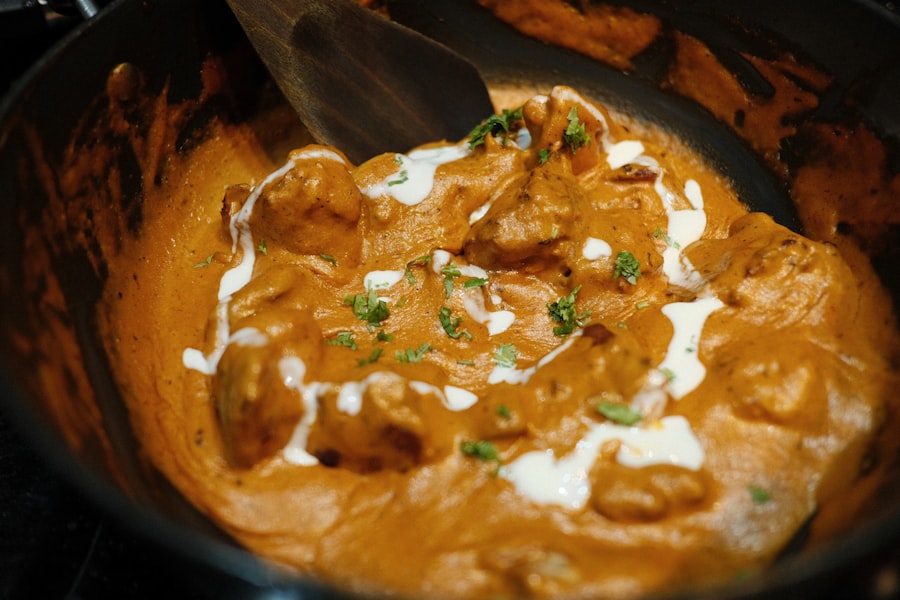
Galawati kebab at Tunday Kababi: ₹150 per plate. Contains 160 spices. Has been made by the same family since 1905. There is no substitute.
💰 Budget Breakdown
Budget
Under ₹5,000
per person
Comfortable
₹5,000–15,000
per person
* All prices per person. Does not include travel to/from Lucknow. Entry fees are low across all monuments — Bara Imambara and Chota Imambara are ₹25 each for Indians.
Where to Stay in Lucknow
Compare prices · Free cancellation on most rooms
Tours & Activities in Lucknow
Skip the queue · Instant confirmation · Free cancellation
Affiliate links — we earn a small commission at no extra cost to you. Helps keep our guides free.
❌ Mistakes to Avoid
Going to the Hazratganj branch of Tunday Kababi
The Hazratganj branch is convenient but not the original. The Aminabad branch — cramped, unpretentious, lined with old photographs — is where the recipe was perfected. The galawati there is noticeably better. Go to the original.
Entering the bhul-bhulaiya without understanding it
The Bara Imambara labyrinth has 489 passages. Some end in open drops. It's designed to confuse — that was its original security purpose. A guide (₹100–150) gives context. If you go alone, mark your entry point and go left consistently. Coming back right-consistently gets you out.
Buying chikan embroidery near monument entrances
The stalls near Bara Imambara and Rumi Darwaza sell machine-made chikan at hand-embroidered prices. Go to Aminabad's Janpath Market or the UP Handicrafts Emporium in Hazratganj — fixed prices, government-regulated quality, actual craftwork.
Skipping the British Residency
Most tourists prioritise the imambaras and skip the Residency. But the 1857 Mutiny siege is the event that most directly shaped modern India. The ruins are preserved exactly as they were — this is one of the most atmospheric history sites in the country.
Coming in summer (Apr–Jun)
Lucknow hits 44–46°C in May. The imambara courtyards are exposed marble. The bhul-bhulaiya has no ventilation. October–March only. Even November is warm enough for light layers in the morning.
Leaving without trying nihari for breakfast
Nihari — mutton slow-cooked overnight — is traditionally a breakfast food in Lucknow. Wahid Biryani near Akbari Gate opens at 8 AM. If you haven't eaten nihari with kulcha in a Lucknow lane in the morning, you haven't done Lucknow properly.
💡 Pro Tips
Galawati Kebab: The Real Thing
Tunday Kababi (Aminabad — original branch, not Hazratganj) serves the real galawati with 160 spices. Order with roomali roti. Don't skip the sheer khurma at the end. Budget ₹150–200 per person.
Bhul-Bhulaiya: The Labyrinth
The Bara Imambara's maze has 489 identical-looking passages, some ending in blind drops. A guide (₹100–150) is worth it for context. Entrance ₹25 (Indians).
Chikan Embroidery Is Lucknow's Pride
Buy chikan kurtas at Aminabad's Janpath Market or the UP Handicrafts Emporium in Hazratganj — fixed prices, government-regulated quality. Avoid shops near tourist sites (inflated prices).
Best Trains from Delhi
Shatabdi Express (4.5 hrs), Lucknow Mail (overnight, 6–7 hrs), Humsafar Express (6 hrs). All arrive at Lucknow Junction or Charbagh station — both are central.
Lucknowi Desserts
Shahi tukda (fried bread in condensed milk), kulfi at Lal Babu Chaat Bhandar, and the royal biryani's companion — raita with boondi. Hazratganj's Raj Kachori is legendary.
Where to Stay in Lucknow
Budget: Zostel Lucknow (₹400 dorm), Old City guesthouses (₹600–1,000). Mid-range: Hotel Piccadily or Vivanta Lucknow. For Awadhi experience, a heritage haveli near Hazratganj.
Want This Planned for You?
Tell us your dates and group size — we'll send a personalised Lucknow itinerary including train options from Delhi within 24 hours. Free.
❓ Frequently Asked Questions
Lucknow — Highlights
The best of Lucknow in photos.
📸
Lucknow Landscape
Lucknow Landscape
The stunning landscapes of Lucknow.
Planning a Longer UP Trip?
Nearby & Related


Questions & Comments
Been there? Planning a trip? Drop it below — we reply to everything.
Have you visited this destination?
Any tips you'd add to this guide?
Questions before your trip?
Want a personalised itinerary?
We'll build your day-by-day plan in 24 hours — free.