Hoi An in 3 Days: Lanterns, Tailors & the Ancient Town
UNESCO Ancient Town, the Full Moon Lantern Festival, custom-stitched clothes in 24 hours, cao lầu you can't get anywhere else, and An Bang Beach before the sun beds come out. The complete guide.

Delhi · Visited: Kedarnath, Gangotri, Manali, Shimla, Rishikesh & more · April 2026 · 13 min read
Hoi An at 6am — the Old Town's yellow walls glowing in the first light before the motorbikes, a bánh mì from Madam Khanh's cart for 25,000 VND, the Thu Bon River mirror-still and empty — is the most photogenic hour in Southeast Asia.
⚡ What Hoi An Actually Is
Hoi An was the most important trading port in Southeast Asia between the 15th and 19th centuries. Japanese, Chinese, Dutch, Portuguese, and Indian merchants all had permanent trading quarters here — you can still identify the architectural fingerprints of each community in the Old Town's merchant houses, assembly halls, and the famous Japanese Covered Bridge. The town was so well-preserved because it was bypassed by modern development: the river silted up, trade moved to Da Nang, and Hoi An was left almost exactly as it was.
The result is a UNESCO World Heritage Ancient Town — 1,107 heritage structures in a compact 30-hectare area — that still functions as a living town rather than a museum. Families live in 300-year-old merchant houses. Tailors cut cloth in workshops that have operated for generations. The Thu Bon River brings in fishing boats every morning. And every 14th day of the lunar month, the electric lights go out, lanterns are floated on the river, and the town turns into something that doesn't look like it belongs to this century.
Three days is enough to see the main Ancient Town highlights, eat every important dish, commission a tailor-made piece of clothing, and get to An Bang Beach before the sun beds come out. It's a short trip, but Hoi An is compact — almost everything is walkable or within a 15-minute bicycle ride.
Da Nang (DAD)
Nearest Airport
Feb–Apr
Best Season
1,107
Heritage Sites
$20/day
Budget From
🌡️ Best Time to Visit Hoi An
Feb–Apr — Dry Season — Best Window
Recommended
22–30°C, low humidity, almost no rain. This is the sweet spot — warm enough for the beach, cool enough for walking the Old Town all day. February and March have the softest light for photography. April gets hotter but remains very pleasant. Book accommodation early for March–April as this is peak demand.
Aug–Sep — Late Summer — Good Alternative
Good option
28–34°C, mostly dry. August and September sit in a dry gap between the monsoon cycles. The beach season is strong. Slightly hotter than February–April but still very manageable. Fewer crowds than peak season. The full moon lantern festivals in August and September are among the most atmospheric.
May–Jul — Hot Season — Manageable
Acceptable
32–38°C. The heat is serious but not prohibitive if you follow the early-morning and late-afternoon rhythm. Beach is at its calmest. Old Town walking is best done before 10am and after 4pm. Fewer tourists and lower prices than peak season. Bring sun protection.
Oct–Jan — Monsoon & Flood Season — Avoid
Higher flood risk
Hoi An sits in a typhoon corridor. October and November bring the heaviest rain and are the most likely months for street flooding in the Ancient Town — historic flood markers on Old Town walls show water levels reaching 1.5m in bad years. December and January see moderate rain easing. If visiting in this window, bring waterproof boots and accept that An Bang Beach will be rough.
✈️ Getting to Hoi An
Key detail: Hoi An has no airport. All international and domestic flights arrive at Da Nang International Airport (DAD), 30km north. The transfer to Hoi An takes 30–45 minutes depending on traffic.
Taxi from Da Nang Airport (recommended)
Best optionFixed-rate metered taxis from the official airport taxi counter cost approximately VND 350,000 ($14) for the 45-minute journey. Use the official counter inside arrivals — do not accept offers from touts outside the terminal. Grab (the regional ride-hailing app) is slightly cheaper at VND 250,000–300,000 ($10–12) and is fully reliable from Da Nang Airport.
Public bus from Da Nang
Budget optionBus route Da Nang–Hoi An costs VND 50,000 ($2) and runs approximately every 30–45 minutes. Journey time: 60–90 minutes including stops. Catch it from the Da Nang bus station (not the airport directly — you need a short city bus or taxi to the main bus station first). Good budget option if you have time and light luggage.
Motorbike taxi (Xe Om)
ScenicMotorbike taxis can take you from Da Nang to Hoi An for VND 150,000–200,000 ($6–8). Only practical for solo travellers with minimal luggage. The coastal road (Son Tra Peninsula route) is one of the most scenic in Vietnam — ask the driver to take the coast road via the Marble Mountains for an extra 20 minutes but a significantly better journey.
Private hotel transfer
Most convenientMost mid-range and luxury hotels in Hoi An offer airport pickup for VND 400,000–600,000 ($16–24). More expensive than Grab but convenient — the driver meets you in arrivals and brings you directly to the hotel.
📅 3-Day Hoi An Itinerary
Each day card is expandable. The itinerary is structured to hit the Ancient Town before the midday tourist peak, reach the beach in the morning calm, and catch the best evening lantern light. Tailor visits are woven through all three days to allow 48–72 hours for quality work.
- ●7:00am — Arrive from Da Nang by taxi (VND 350,000, 45 minutes; or Grab VND 250,000–300,000). Check in to your accommodation — budget guesthouses in or near the Old Town run $12–25/night for a private room with AC and breakfast. La Siesta Hoi An (from $80/night) and Hoa Nang Boutique Hostel (from $12/dorm, $25/private) are excellent at their respective price points.
- ●9:00am — Purchase the Ancient Town heritage ticket at the Hoi An Tourism Office on Le Loi Street. The ticket costs VND 120,000 ($5) and covers entry to five heritage monuments of your choice from the full list: ancient houses, assembly halls, handicraft workshops, the Japanese Covered Bridge (Lai Vien Kieu), and the trade ceramic museum. Without the ticket, you can walk all streets freely — only the interiors require it.
- ●9:30am — Japanese Covered Bridge (Cầu Nhật Bản / Lai Vien Kieu), western end of Tran Phu Street. Built by the Japanese merchant community around 1593, the bridge spans a small canal and contains a small shrine to the Weather God inside its roof. It is the most iconic structure in the Ancient Town. Most beautiful in the soft light before 10am — by noon it is crowded with tour groups. Entry is included in the heritage ticket.
- ●10:30am — Tan Ky Old House (101 Nguyen Thai Hoc Street, included in heritage ticket). A 200-year-old merchant's house built by a Vietnamese family of Chinese descent, showing Japanese, Chinese, and Vietnamese architectural elements in the same building — the carved crab motifs on the beams are a prosperity symbol, the hand-painted Japanese ceramic tiles are 17th-century export ware. The family still lives here; the grandmother will point out the flood markers on the wall from the 2020 flooding.
- ●12:30pm — Lunch at White Marble (8 Le Loi Street, $8–18/person). One of the most respected modern Vietnamese restaurants in the Old Town — the white rose dumplings (bánh bao vạc, a Hoi An speciality) are beautifully done here, and the cao lầu is a reference version. Book ahead for midday.
- ●2:30pm — Walk Tran Phu, Bach Dang (the riverside road), and Nguyen Thai Hoc. The afternoon light on the yellow ochre walls between 3–5pm is the photographer's prime window. Browse the lantern shops — a handmade silk lantern costs VND 25,000–120,000 ($1–5) and packs flat for luggage.
- ●7:30pm — Evening on the Thu Bon River promenade. Lantern boats (thuyền hoa đăng) can be hired for VND 60,000 ($2.50) per boat to float a paper lantern on the river — a ritual believed to bring good luck. If your dates fall on the 14th of the lunar month, the entire town turns off electric lights for the Full Moon Lantern Festival: one of the most extraordinary spectacles in Asia. Check the 2026 dates in the Pro Tips section and plan your trip around one of these evenings.
- ●8:00am — Breakfast: bánh mì from Madam Khanh — 'The Bánh Mì Queen' (115 Tran Cao Van Street, VND 25,000–30,000 per bánh mì, cash only, queue forms from 7am). The baguette is baked fresh that morning, the fillings — pâté, Vietnamese cold cuts, pickled daikon, cucumber, fresh herbs, chilli — are assembled to order. Widely regarded as the best bánh mì in a city that is itself regarded as having the best bánh mì in Vietnam.
- ●9:00am — Tailor row: walk the full length of Tran Phu, Le Loi, and Nguyen Thai Hoc before committing to any shop. There are over 400 tailoring workshops in Hoi An. Examine the sample garments on display — feel the lining, check the button holes, look at the hem stitching. A well-made suit can be delivered in 48 hours for $80–150; a simple dress in 24 hours for $30–60. The quality of a 48-hour piece is substantially better than a rushed 24-hour one. Pay 50% deposit only, get a written receipt with the delivery time.
- ●11:30am — Mỳ Quảng noodles for lunch — a Quảng Nam province speciality that sits between a noodle soup and a dry noodle dish: thick yellow turmeric rice noodles with pork, shrimp, quail eggs, roasted peanuts, sesame crackers, and a small amount of rich broth poured over the top. Price at a local eatery: VND 30,000–50,000 ($1.25–2). Find it at the market stalls on Tran Phu or at Mì Quảng 1A (1 Hai Phong Street).
- ●1:30pm — Rest through the early afternoon. Arrange a second tailor fitting for late afternoon (Day 2, around 4pm) — this is when adjustments are easiest and cheapest. Mid-range tailors Yaly Couture, Bebe Tailor, and A Dong Silk all offer second fittings as standard.
- ●4:00pm — Second tailor fitting. Allow 30–45 minutes. Any seam, shoulder, or length adjustments are made now before final stitching.
- ●5:30pm — Cooking class evening session ($30–50/person, includes 3–4 dishes). Morning classes typically begin with a market visit (better for immersion); evening classes focus on technique. Both cover cao lầu, white rose dumplings, and Vietnamese spring rolls. The Red Bridge Cooking School and Morning Glory Cooking School are the most consistent in quality. Book in advance — popular evening slots fill quickly.
- ●8:30pm — Dinner: the cooking class usually ends with eating everything you've cooked. If you have appetite for more, Bale Well Restaurant (45/51 Tran Hung Dao, $6–12/person) is famous for its bánh xèo sizzling pancakes and fresh spring roll assembly — you grill your own meat over charcoal and roll everything in rice paper at the table.
- ●7:30am — Bike to An Bang Beach. Hire a bicycle in the Old Town for VND 50,000/day ($2) and cycle the 4km coastal road — 15 minutes at a relaxed pace. An Bang is the closest beach to the Old Town and significantly less developed than Da Nang's My Khe — quieter, more local, without the pressure-selling that characterises resort beaches. The water is clearest in February–April.
- ●8:00am — The beach before 9am: raked sand, horizontal light, water calm. Bring snorkelling gear if your guesthouse has it (visibility varies by season). Rent a sun lounger for VND 50,000 ($2) or use the free sand. Buy a fresh coconut from a beach vendor for VND 25,000 ($1).
- ●10:30am — Coconut Village (Cam Thanh) boat tour ($10–15/person, 90 minutes). Traditional round bamboo basket boats (thuyền thúng) navigate the flooded water palm (nipa palm) forest in the estuary north of Hoi An. The boatmen perform spinning tricks and cast circular fishing nets. Book at the An Bang beachfront or through any Old Town travel agency the day before.
- ●12:30pm — Cycle back to the Old Town (15 minutes). Final tailor pickup — allow 30 minutes for any last-minute adjustments. A reputable shop will fix anything on the spot. If the piece needs significant work, most good tailors can complete same-day corrections in 2–3 hours.
- ●3:00pm — Last wander through the Ancient Town. The Fukien Assembly Hall (46 Tran Phu Street, included in heritage ticket) is the most spectacular interior in the Old Town — gilded altars, incense spirals hanging from the ceiling, a wall mural of Quan Cong's journey from China to Vietnam, and carved wooden dragon pillars. Worth 20 minutes even if you've already used your heritage ticket.
- ●5:30pm — Farewell cao lầu. Cao lầu is a Hoi An culinary institution: thick chewy rice noodles (made using water drawn from the ancient Ba Le well in the Old Town — this is not marketing mythology, the noodle texture genuinely cannot be replicated without it), served with barbecued char siu pork, crispy rice crackers, bean sprouts, and fresh herbs. Price: VND 40,000–80,000 ($1.50–3) at a local stall, VND 120,000–200,000 ($5–8) at a restaurant. Eat it at Trung Bac (87 Tran Phu) or Quan Cao Lau (Nguyen Truong To Street).
Free · Personalised · 24hr Reply
Want this Hoi An plan customised for your dates?
Tell us your group size, budget, and travel dates. We'll build a day-by-day plan around you — completely free.
No account · No credit card · Takes 2 minutes
🏛️ Hoi An Landmark Guide
The VND 120,000 ($5) heritage ticket covers 5 monuments from the full list. These are the ones worth spending your five entries on. Entry is free for the street exteriors — you only pay to enter the interiors.
Japanese Covered Bridge (Lai Vien Kieu)
Built c.1593 by the Japanese trading community. The bridge contains a small temple to the Weather God in its roof structure — a fusion of Japanese and Vietnamese religious architecture. The most photographed structure in Hoi An and the symbol of the Ancient Town. Best light: before 9am or after 5pm when the tour groups thin.
Tan Ky Old House
A 200-year-old merchant's house with 7 generations of family history visible in its architecture — the Japanese roof brackets, Chinese carved screens, and Vietnamese tiled floors represent the trading networks that made Hoi An great. The flood markers on the interior walls are sobering: the 2020 flood reached 1.4m inside this house.
Fukien Assembly Hall (Phuc Kien Hoi Quan)
The most impressive interior in the Ancient Town. Built by the Fujian Chinese community in 1697 and expanded through the 18th century. The gilded altars, incense spiral ceiling, and 10-metre carved wooden panels depicting mythological scenes are extraordinary. The rear courtyard has a garden with ceramic mosaic sculptures. Allow 20 minutes minimum.
Cantonese Assembly Hall (Quang Trieu Hoi Quan)
The Cantonese merchant community's hall built in 1855. Smaller than the Fukien hall but with beautiful blue-and-white ceramic detail work and a particularly fine central altar. The stone carving in the front courtyard features two dragons pursuing a flaming pearl — a symbol of wisdom and good fortune.
Thu Bon River Lantern Boats
Not a heritage monument but the most atmospheric experience in Hoi An. Paper lanterns are floated on the Thu Bon every evening from the Bach Dang riverside. On Full Moon nights (14th of the lunar month), the electric lights go out and the river becomes a field of floating light. The boat operators are on the riverside from dusk — negotiate the price before boarding.
An Bang Beach
15 minutes by bicycle from the Ancient Town (VND 50,000/day bike hire). The most accessible beach to Hoi An and significantly less commercialised than the resort beaches further north. White sand, clear water in dry season, and a collection of low-key beach bars and restaurants behind the shoreline. Get there before 9am for the best experience.
Marble Mountains (Ngu Hanh Son)
Five marble and limestone mountains 30km south of Hoi An containing Buddhist sanctuaries, Hindu shrines, and natural cave systems. Huyen Khong cave has a skylight aperture that casts a beam of light across a large Buddha statue — one of the most striking scenes in central Vietnam. Take the elevator up (VND 15,000) and walk the cave networks. Half-day trip by motorbike taxi or Grab.
Hoi An — Lanterns, Yellow Walls & the Thu Bon
The Ancient Town's light at dusk, the river at dawn, and the streets between.
📸
Hoi An Lantern Street at Night
Hoi An Lantern Street at Night
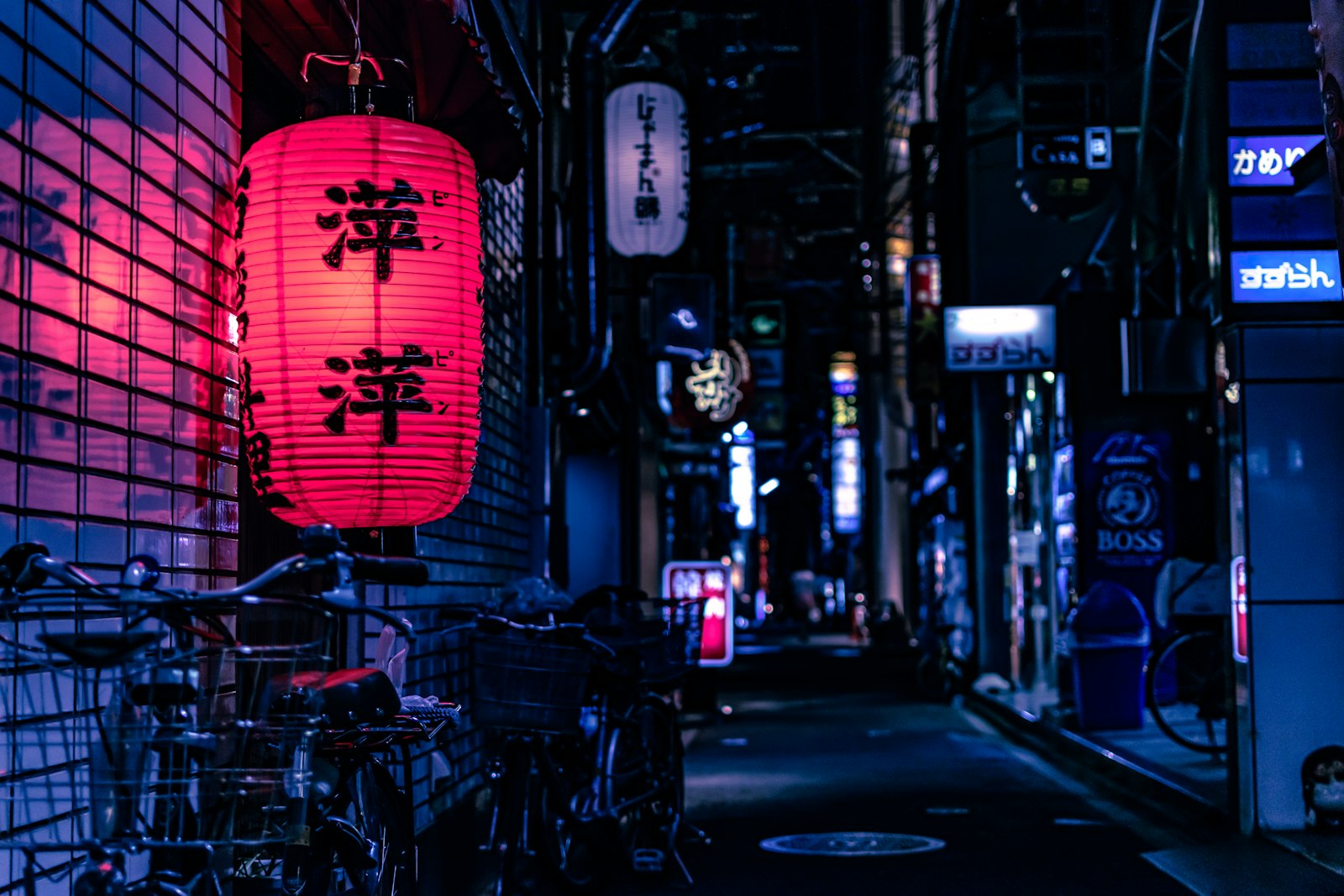
Tran Phu Street lined with silk lanterns at dusk — the most photographed scene in Hoi An and the reason people come.
💰 Budget Breakdown
Hoi An spans a wide budget range — the street food and guesthouses make it one of Southeast Asia's best value destinations, while the tailors, cooking classes, and resort hotels mean mid-range and luxury travellers can spend as much as they like. The heritage ticket is the same for everyone.
| Category | Budget | Mid-Range | Luxury |
|---|---|---|---|
| 🏨 Accommodation (per night) | $12–25 | $60–150 | $200–800 |
| 🍽️ Food (per day) | $5–12 | $20–40 | $60–150 |
| 🚕 Da Nang transfer | $10–14 | $15–25 | $25–50 |
| 🏛️ Heritage ticket | $5 | $5 | $5 |
| ✂️ Tailor (one piece) | $30–60 | $80–200 | $200–500 |
| 🍳 Cooking class | $20–35 | $35–60 | $150–250 |
| 🚲 Bike hire (per day) | $2 | $2 | $5–10 |
| 🏖️ An Bang Beach + boats | $10–20 | $20–40 | $50–100 |
| TOTAL (3 days, per person) | $80–180 | $300–600 | $800–2,000+ |
💚 Budget ($20–38/day)
Stay at Hoa Nang Boutique Hostel or a guesthouse near the Old Town ($12–25/night), eat at market stalls and local eateries (VND 30,000–80,000 per meal), bike everywhere. Hoi An on a budget is excellent — the street food alone justifies the trip.
🌟 Mid-Range ($60–120/day)
La Siesta Hoi An Resort ($80–120/night, pool, great breakfast), eat at White Marble and Mango Rooms, take a morning cooking class, commission a tailored jacket from Yaly or Bebe Tailor. The comfortable, unhurried way to do Hoi An.
💎 Luxury ($200–600/day)
Anantara Hoi An Resort ($200–500/night on the Thu Bon riverside), The Nam Hai Four Seasons for pure resort luxury ($400–1,200), private boat charters on the river, Nam Hai's cooking school, and bespoke tailoring with European-sourced fabric.
Get the free travel guide
+ weekly destination tips
Download the Rajasthan 7-Day Guide instantly — day-by-day itinerary, real budgets, local food spots & packing list. Plus weekly guides from 2,400+ travellers' favourite destinations.
No spam, ever. Unsubscribe with one click.
🏨 Where to Stay in Hoi An
Staying inside or immediately adjacent to the Ancient Town gives you the best access to the early-morning and evening atmosphere — the times when the Old Town is most beautiful. The Anantara and La Siesta are both within easy walking distance of the heritage sites.
Anantara Hoi An Resort
Luxury riverside · Ancient Town edge
The most prestigious hotel in the Ancient Town itself — a French colonial-style resort directly on the Thu Bon River, 5 minutes' walk from the Japanese Covered Bridge. The riverside pool and garden restaurant are exceptional. The location means you can walk the Old Town lantern streets at night and be back in your room in minutes.
La Siesta Hoi An Resort & Spa
Mid-range boutique · Old Town proximity
The best mid-range option in Hoi An by a significant margin. Pool, spa, excellent breakfast included, and genuinely warm service. 10-minute walk to the Ancient Town. The deluxe rooms are well-sized. La Siesta consistently outperforms its price category and is the obvious choice for travellers who want comfort without paying Anantara prices.
Hoa Nang Boutique Hostel
Budget boutique · Near Ancient Town
Clean, well-run, with a genuine boutique aesthetic for the price. Dorm beds from $12/night, private rooms from $25. Great common area, friendly staff who know the town well, and the location puts you within easy walking distance of the Old Town. Not a party hostel — genuinely peaceful for the price.
The Nam Hai (Four Seasons)
Luxury resort · Dien Ban, 10 min from Old Town
The finest resort in the Hoi An area — 100 pool villas on a private beach 4km from the Ancient Town. Three restaurants, three pools, a spectacular spa, and the best cooking school in central Vietnam (run with a resident chef, $150–250/person for a private class). The resort runs a private shuttle to the Old Town. If budget is not a consideration, this is the definitive Hoi An base.
🍽️ Where to Eat in Hoi An
Hoi An has one of the best food scenes in Vietnam — a combination of local specialities you can't eat anywhere else (cao lầu requires the Old Town well water, white rose dumplings are a family-controlled recipe), excellent mid-range restaurants, and street food stalls that have been serving the same dishes for generations.
White Marble
Modern Vietnamese · 8 Le Loi Street
One of the most accomplished Vietnamese restaurants in the Ancient Town. The white rose dumplings (bánh bao vạc) are a reference version — translucent rice flour wrappers, delicate shrimp filling. The cao lầu and chicken rice (cơm gà Hội An) are equally strong. Wine list is the best in Hoi An. $8–18/dish. Book ahead for evenings.
Mango Rooms
Inventive Vietnamese-fusion · 111 Nguyen Thai Hoc
The Old Town's most celebrated fusion restaurant — Vietnamese technique, French influence, and unexpected flavour combinations in a beautiful courtyard setting. The caramelised fish in clay pot is a signature dish. The cocktail list is excellent. $15–30/person. Internationally reviewed and consistently excellent. Book at least a day ahead.
Bale Well
Traditional Vietnamese · 45/51 Tran Hung Dao
The most famous local-style restaurant in Hoi An for traditional dishes. Known particularly for bánh xèo (sizzling rice-flour pancake with pork, shrimp, and bean sprouts) and fresh spring rolls assembled at the table from a basket of herbs, greens, and grilled pork. $6–12/person. The garden setting and communal tables give it an authentic feel that the more upmarket restaurants lack.
Trung Bac (Cao Lầu specialist)
Local noodles · 87 Tran Phu Street
The most straightforward place to eat proper cao lầu — thick chewy noodles with barbecued pork, rice crackers, and bean sprouts, served in the traditional Hoi An style with only a small amount of broth. VND 40,000–60,000 ($1.50–2.50). A tiny local shop with plastic stools. The cao lầu here has been made the same way for decades and is the most authentic version available.
White Rose Restaurant
Hoi An specialities · 533 Hai Phong Street
The only restaurant in the world with the rights to the original white rose dumpling recipe — bánh bao vạc, delicate steamed shrimp dumplings shaped into white roses. The family holds the recipe and supplies several other Hoi An restaurants. Eating them here is the definitive version. VND 60,000–90,000 ($2.50–3.50) for a plate of 8. The pork wontons (cao lầu-style) are also excellent.
Where to Stay in Hoi An Vietnam
Verified prices · Instant booking
Anantara Hoi An Resort
Luxury riverside · Ancient Town edge
La Siesta Hoi An Resort & Spa
Mid-range boutique · Pool & spa
Hoa Nang Boutique Hostel
Budget boutique · Near Old Town
The Nam Hai (Four Seasons)
Luxury beach resort · Pool villas
Affiliate links — we earn a small commission at no extra cost to you. Helps keep our guides free.
Things to Do in Hoi An Vietnam
Tours & experiences · Instant confirmation
Hoi An Ancient Town Private Walking Tour
Most popularVietnamese Cooking Class with Market Visit
Top ratedCoconut Basket Boat Tour — Cam Thanh
IconicMy Son Sanctuary Half-Day Tour
Affiliate links — we earn a small commission at no extra cost to you.
❌ Mistakes to Avoid
Paying the First Price a Tailor Quotes
The initial price at most Hoi An tailor shops is negotiating-room pricing. Start at 50–60% of the quoted price and settle in the middle. A jacket quoted at $100 typically settles at $55–70 with respectful negotiation. Once you've agreed a price, honour it at pickup — attempting to renegotiate on collection is considered bad faith and will embarrass you and the tailor.
Asking for a 24-Hour Tailor Turnaround
A 24-hour suit or jacket is a rushed product. The stitching is compressed, there is no time for a second fitting, and the result shows. Good tailoring requires 48–72 hours minimum: measurement on Day 1, a fitting on Day 2, final collection on Day 3. Shops that advertise '24-hour turnaround' can technically deliver it — but the 72-hour version will be substantially better. If quality matters, tell the tailor you need 72 hours from the start.
Visiting October–November Without Checking Flood Forecasts
Hoi An is in a typhoon corridor and the Ancient Town floods regularly in October and November — the flood markers on Old Town walls show water levels reaching 1.5m in bad years. Shops and restaurants raise their stock onto shelves and continue trading through knee-deep water, which is oddly charming, but this is not the experience most visitors want. Check weather forecasts and typhoon warnings carefully if booking in this window. February–April is far more predictable.
Assuming the Heritage Ticket Covers Everything
The VND 120,000 heritage ticket covers entry to five monuments — you select which five from the full list at the Tourism Office. It does not give unlimited access to all 1,107 heritage sites, nor does it cover the Japanese Covered Bridge for free entry without using one of your five tickets. Plan which five sites you want before purchasing so you don't waste tickets on sites you can see perfectly well from the exterior.
💡 Pro Tips for Hoi An
Check the Full Moon Lantern Festival Dates First
The Hoi An Full Moon Lantern Festival occurs on the 14th of every lunar month — electric lights in the Old Town go off, paper lanterns fill the river, traditional music plays in the streets. 2026 dates: February 11, March 13, April 12, May 11, June 10, July 9, August 8, September 7, October 6, November 4, December 4. Plan your trip to include one of these dates. February and March are the best combination of weather and atmosphere.
The Old Town at 6am Is Worth the Alarm
Before the day-trippers from Da Nang arrive (they come on buses from around 9am), the Ancient Town streets are almost empty. The light is soft and golden, the yellow walls glow without harsh shadows, and you can photograph the Japanese Covered Bridge without a crowd. This hour — 6am to 8am — is why photographers make Hoi An a priority destination. It genuinely looks different before 8am.
Bicycle Over Tuk-Tuk or Taxi for the Old Town
The Ancient Town is car-free and the surrounding area is flat. A bicycle hired for VND 50,000/day ($2) covers everything — the Old Town, An Bang Beach (15 minutes), the coconut village road, and the market streets. Cycling slows you down to the pace the town deserves and lets you stop at anything interesting on the way. Tuk-tuk tours rush you and miss the best things.
Walk the Full Tailor Strip Before Choosing
There are 400+ tailoring shops in Hoi An and quality varies dramatically. Before committing, walk the full length of Tran Phu, Le Loi, and Nguyen Thai Hoc and examine samples in 5–6 different shops. Feel the lining, check the button holes, look at the hem. The best shops keep a portfolio of completed pieces on satisfied customers — ask to see it. A guesthouse owner's recommendation (who knows which shops reliably satisfy international clients) is worth more than any online review.
Eat Cao Lầu Before You Leave — It Doesn't Exist Elsewhere
Cao lầu is not available anywhere outside Hoi An in authentic form — the noodle recipe requires water drawn from the Ba Le well in the Ancient Town, which gives the noodles their distinctive chewy texture. Restaurants outside Hoi An that sell 'cao lầu' are serving an approximation. Eat it at least once at a local stall (VND 40,000–60,000) and once at a proper restaurant for comparison.
Carry Cash in VND — Many Small Stalls Are Cash Only
The best food in Hoi An is at the street stalls, market vendors, and small family restaurants — almost all of which are cash only. Madam Khanh's bánh mì, the cao lầu stalls, the White Rose Restaurant, and the lantern boat operators all require VND cash. Draw money from the ATMs on Tran Phu or Le Loi before heading to the market. Mid-range restaurants and hotels accept cards.
📸 Been to Hoi An?
Share your photos and get featured in this guide with full credit. Your real photos help thousands of travellers plan better trips.
❓ Frequently Asked Questions
Plan your Hoi An trip
You Might Also Like


Questions & Comments
Been there? Planning a trip? Drop it below — we reply to everything.
Have you visited this destination?
Any tips you'd add to this guide?
Questions before your trip?
Want a personalised itinerary?
We'll build your day-by-day plan in 24 hours — free.