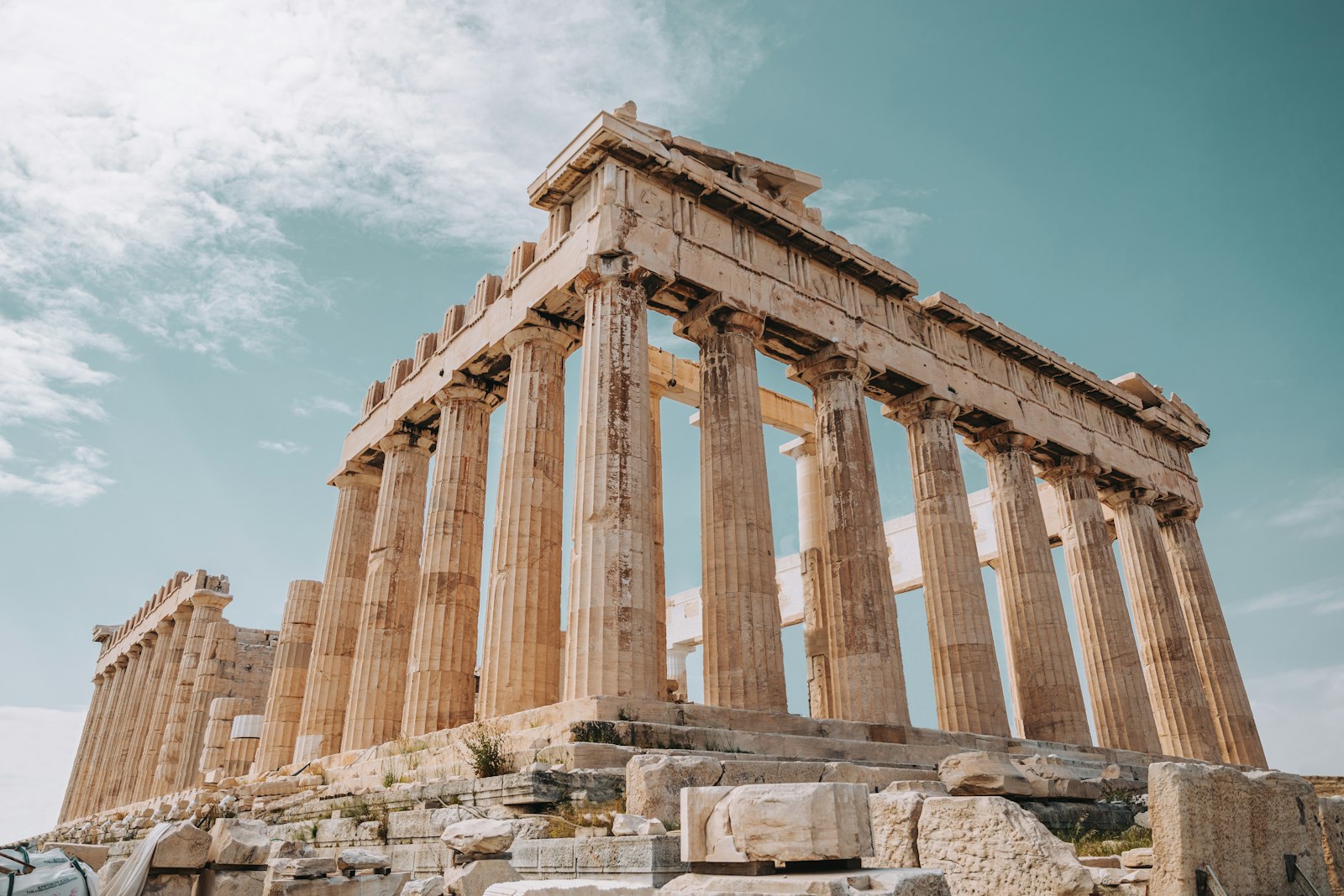
Naples & Pompeii in 4 Days: Ruins, Volcanoes & the Best Pizza on Earth
Pompeii's 2,000-year-old streets frozen in ash, the crater of Vesuvius, the Amalfi Coast, Capri by ferry, and pizza that ruins every other pizza for life. The complete 4-day guide.

Delhi · Visited: Kedarnath, Gangotri, Manali, Shimla, Rishikesh & more · April 2026 · 16 min read
A city so chaotic and alive it makes Rome seem orderly, Pompeii's 2,000-year-old streets frozen in the exact moment Vesuvius buried them under 6 metres of ash, pizza invented here and still made better here than anywhere on Earth, and the Amalfi Coast an hour away with cliff roads that turn your knuckles white — Naples is the most raw and the most beautiful city in Italy.
⚡ What Naples Actually Is
Naples is Italy with the filter removed. Founded by the Greeks as Neapolis in 470 BC, it has been continuously inhabited for over 2,500 years — longer than Rome. It was the capital of a kingdom, the largest city in Italy for centuries, and the birthplace of pizza. The centro storico is a UNESCO World Heritage Site with over 400 churches, Greek-Roman ruins under every street, and Baroque palazzi crumbling picturesquely above alleyways hung with laundry.
But Naples is also the gateway to some of the most extraordinary archaeological sites on Earth. Pompeii, buried by Vesuvius in 79 AD, is 40 minutes away by train. Herculaneum, even better preserved, is 20 minutes. Vesuvius itself is an active volcano you can hike to the crater rim. The Amalfi Coast and Capri are day trips. Four days here barely scratches the surface, but they will be four of the most intense and rewarding days of any European trip.
The city has a reputation for being chaotic, and it is — the traffic ignores every rule, the streets are loud, and the energy is relentless. But that rawness is exactly what makes Naples extraordinary. This is not a museum city. It is alive, contradictory, and unforgettable.
NAP
Airport
Apr–Jun
Best Season
3 nearby
UNESCO Sites
€50/day
Budget From
📋 Visa & Entry Requirements
Indian Passport Holders
Western Passport Holders (US/UK/EU/AUS)
🌡️ Best Time to Visit Naples
Apr–Jun — Spring — Best Season
Recommended
18–28°C, warm and sunny with manageable crowds. Pompeii is comfortable to explore all day, the Amalfi Coast roads are not yet gridlocked, and ferries to Capri run frequently. Wildflowers on Vesuvius, swimming from May. The ideal window for most travellers.
Sep–Oct — Autumn — Equally Excellent
Recommended
20–26°C. The sea is still warm enough for swimming, summer crowds have thinned, and prices drop 20–30% from peak. September is arguably the single best month — warm days, fewer tourists, and the vendemmia (grape harvest) across Campania.
Jul–Aug — Summer — Hot and Crowded
Avoid if possible
30–36°C. Pompeii at midday is genuinely dangerous heat — the site has almost no shade. The Amalfi Coast SS163 road becomes a car park. Prices peak, beaches are packed, and Naples itself empties as locals flee to the coast. If you must go, start all activities at dawn.
Nov–Mar — Winter — Mild but Quiet
Naples city only
8–15°C. Naples itself is fine in winter — museums, churches, and pizza don't require sunshine. But Capri ferries reduce to a few per day, some Amalfi Coast restaurants close November–March, and rain is frequent. Budget travellers benefit from 40–50% lower hotel prices.
✈️ Getting to Naples
Key detail: Naples Capodichino Airport (NAP) is just 7km from the city centre. The Alibus airport shuttle runs every 20 minutes to Piazza Garibaldi (central station) for €5, taking 15–20 minutes. Taxis have a fixed €16 fare to the centre.
Direct flights to Naples (NAP)
Best optionBudget airlines (Ryanair, easyJet, Wizz Air) fly direct from most European cities for €30–€80. From the UK: London, Manchester, Edinburgh all have direct routes. From India: connect via Rome, Milan, or a Middle Eastern hub. Naples airport is small and efficient — you can be in the city centre within 30 minutes of landing.
Train from Rome (recommended if combining)
From RomeRome Termini to Naples Centrale: 1 hr 10 min on the high-speed Frecciarossa or Italo trains, €15–€45 depending on how far in advance you book. Trains run every 30 minutes. This is one of the best train connections in Europe — fast, comfortable, and often cheaper than flying.
Ferry from Palermo / Cagliari
If island-hoppingOvernight ferries from Sicily (Palermo, 10 hrs) and Sardinia (Cagliari, 14 hrs) dock at Molo Beverello in central Naples. Useful if combining with a Sicily or Sardinia trip. Tirrenia and GNV operate the routes, from €40 for a seat.
Drive from Rome or the Amalfi Coast
Not recommended in cityRome to Naples via the A1 autostrada: 2.5 hrs, €20 in tolls. However, driving in Naples itself is genuinely inadvisable — the traffic is legendary, ZTL restricted zones will get you fined, and parking is nearly impossible. Park at the hotel and use public transport.
📅 4-Day Naples & Pompeii Itinerary
Each day card is expandable. This itinerary covers the essential Naples experience — Pompeii, Vesuvius, the historic centre, the Amalfi Coast or Capri, and enough pizza to last a lifetime.
- ●Morning: Arrive in Naples and drop luggage at your hotel or hostel in the Centro Storico or Chiaia neighbourhood. Get your bearings with a walk along the Lungomare seafront — Castel dell'Ovo, the bay, and Vesuvius in the distance.
- ●Walk Spaccanapoli — the ancient Greek-Roman street that literally splits Naples in two. It runs arrow-straight through the centro storico for over 1km, lined with Baroque churches, bookshops, pastry counters, and Maradona shrines on every corner.
- ●Pizza lunch at L'Antica Pizzeria da Michele (Via Cesare Sersale 1) — cash only, two pizzas on the menu (Margherita €5, Marinara €4), no frills, and transcendent. The queue looks intimidating but moves in 10–15 minutes. They've been doing this since 1870.
- ●Afternoon: National Archaeological Museum (MANN) — €15 entry. Arguably the world's finest collection of Roman art. Everything removed from Pompeii and Herculaneum over 300 years of excavation is here — the Alexander Mosaic, the Farnese Hercules, and the Secret Room with erotic art. Visit MANN before Pompeii and the ruins make 10 times more sense.
- ●Walk through the Spanish Quarter (Quartieri Spagnoli) — labyrinthine alleyways, hanging laundry above your head, street-level workshops, and the most authentic Naples atmosphere anywhere in the city.
- ●Evening: Street food on Via dei Tribunali — cuoppo (fried seafood cone, €5), pizza fritta (fried stuffed pizza, €3), sfogliatella pastry (€2–3). End at Castel dell'Ovo for sunset over the bay — free to walk to.
- ●8:00am: Circumvesuviana train from Naples Porta Nolana or Garibaldi to Pompeii Scavi — Villa dei Misteri station (35 min, €3.60 each way). Trains run every 30 minutes. Buy tickets at the station counter.
- ●Pompeii archaeological site — €16 entry. Arrive at 9am opening to beat the tour groups. The site is 66 hectares (the size of a small town) so plan at least 3–4 hours. Essential stops: the Forum, Via dell'Abbondanza, the Lupanare (brothel with menu frescoes), the House of the Faun, the Villa of the Mysteries, and the Garden of the Fugitives with its plaster-cast bodies.
- ●Hire a guide at the entrance (€80–120 for a 2-hour tour, up to 10 people) — the difference in understanding is enormous. They know which houses are open on rotation each day and can explain context that's invisible without guidance.
- ●Bring water, sunscreen, hat, and good walking shoes. There is almost no shade in Pompeii and the stone streets radiate heat. Midday in summer is genuinely dangerous.
- ●Afternoon: Bus from Pompeii to Vesuvius crater car park (EAV bus, €13 return including park entrance, 50 min). From the car park, it's a 30–40 minute walk up a well-marked gravel path to the crater rim. Look down into an active volcano — the last eruption was 1944.
- ●Return to Naples by 6–7pm. Dinner on Via dei Tribunali — Sorbillo (Via dei Tribunali 32) for another legendary Naples pizza, or a proper trattoria for spaghetti alle vongole with local Lacryma Christi wine, €15–20.
- ●Early morning: Two options. Budget: SITA bus from Naples to Sorrento (1 hr, €4), then the iconic SS163 coast road bus to Positano and Amalfi. Faster: ferry from Molo Beverello to Positano (1.5 hrs, €25–35 one way) — arriving by sea is the most spectacular approach.
- ●Positano: coloured houses cascading down the cliff, the Chiesa di Santa Maria Assunta with its majolica-tiled dome, Fornillo Beach for swimming (less crowded than Spiaggia Grande). A granita al limone at a seafront bar is essential.
- ●Bus or ferry to Amalfi town (30 min, €2–8 depending on mode). The Duomo di Amalfi with its Arab-Norman architecture is worth the climb. Walk up the Valle dei Mulini ravine to see the ruined paper mills — Amalfi invented European paper manufacturing.
- ●Optional extension: Bus to Ravello (30 min, €2) — a cliffside village 350 metres above the sea with the best views on the entire coast. Villa Rufolo gardens (€7) inspired Wagner's Parsifal. Villa Cimbrone terrace is called the Terrace of Infinity for good reason.
- ●Return to Naples by 7–8pm. The coast road at sunset is worth the slow bus ride back.
- ●Evening: dinner in the Borgo Marinari quarter below Castel dell'Ovo — fresh seafood with bay views, €20–30.
- ●Morning: Circumvesuviana train to Ercolano Scavi (20 min from Naples, €2.20), then 10-minute walk downhill to Herculaneum. Entry €13. Herculaneum was buried in superheated volcanic mud rather than ash, so preservation is extraordinary — wooden furniture, mosaics, organic matter, even food survived 2,000 years.
- ●Herculaneum is much smaller than Pompeii but far better preserved and significantly less crowded. The House of the Deer, the House of Neptune and Amphitrite mosaic, and the boat chambers where 300 skeletons were found fleeing towards the sea are unforgettable. Allow 2–3 hours.
- ●Return to Naples by midday. Lunch: Di Matteo (Via dei Tribunali 94) — their pizza fritta is legendary and costs €3. Or Pizzeria Starita for a proper sit-down pizza with buffalo mozzarella.
- ●Afternoon: Napoli Sotterranea (Naples Underground) — €12, guided tours every hour. Walk 40 metres below the streets through Greek-Roman aqueducts, WWII air-raid shelters, and tunnels that have been in continuous use for 2,400 years. One of the most unique experiences in Naples.
- ●Optional: Cappella Sansevero (€8) — a tiny Baroque chapel containing the Veiled Christ sculpture, widely considered one of the greatest marble sculptures ever created. The marble veil looks genuinely transparent. Book online as queues are long.
- ●Farewell dinner: Choose your final pizza carefully. Da Michele for purity, Sorbillo for variety, or Concettina ai Tre Santi in the Sanita district for a modern take. A final sfogliatella and espresso on the Lungomare, watching the sun set behind Vesuvius.
Free · Personalised · 24hr Reply
Want this Naples & Pompeii plan customised for your dates?
Tell us your group size, budget, and travel dates. We'll build a day-by-day plan around you — completely free.
No account · No credit card · Takes 2 minutes
🏛️ Pompeii & Archaeological Sites Guide
The most important archaeological sites in order of priority. Entry fees as of early 2026. The area around Naples has the highest concentration of Roman-era sites anywhere in the world.
Pompeii
The most famous archaeological site on Earth. A complete Roman city of 11,000 people, frozen in 79 AD by Vesuvius. 66 hectares — the Forum, houses with intact frescoes, the amphitheatre, bakeries with bread still in the oven. Minimum 3–4 hours. Arrive at 9am opening. Hire a guide.
Herculaneum (Ercolano)
Buried in volcanic mud rather than ash, Herculaneum's preservation is staggering — wooden furniture, mosaics, organic matter survived intact for 2,000 years. Smaller than Pompeii, less crowded, and in many ways more extraordinary. The boat chambers and the House of Neptune mosaic are unforgettable.
National Archaeological Museum (MANN)
Everything removed from Pompeii and Herculaneum over three centuries of excavation. The Alexander Mosaic, the Farnese Hercules, the Secret Room. Visit before Pompeii for context that transforms the experience. The Farnese Bull alone is worth the admission.
Mount Vesuvius Crater
A 30–40 minute hike from the upper car park to the crater rim of Europe's most dangerous active volcano. On a clear day: the entire Bay of Naples, Capri, the Amalfi Coast. The last eruption was 1944. Morning visits have the best visibility before haze builds.
Naples Underground (Napoli Sotterranea)
Guided tours descend 40 metres below the streets into Greek-Roman aqueducts, cisterns, and WWII air-raid shelters. 2,400 years of continuous underground use. Tours run every hour in English. Genuinely atmospheric and unlike anything above ground.
Cappella Sansevero
A small Baroque chapel housing the Veiled Christ — a marble sculpture so realistic the veil appears transparent. Widely considered one of the greatest sculptures ever created. Book online to avoid the long queue. Photography prohibited inside.
Capri (day trip)
Italy's most glamorous island, 50 minutes by ferry from Molo Beverello. The Blue Grotto (€15 + €18 rowboat), Faraglioni sea stacks, Monte Solaro chairlift (€14), Villa Jovis (€8). Best as a full-day trip. Book ferry tickets in advance during peak season.
Naples & Pompeii — Ruins, Volcanoes & the Amalfi Coast
Southern Italy's most extraordinary landscapes and archaeology.
📸
Pompeii Ruins with Vesuvius
Pompeii Ruins with Vesuvius
The Forum of Pompeii with Vesuvius looming behind — the most iconic view of the ancient city frozen in time.
💰 Budget Breakdown
Naples is one of the most affordable major cities in Western Europe. Pizza costs €5, espresso €1, and a Circumvesuviana day ticket covers transport to Pompeii and Herculaneum. The main costs are entry fees and day-trip ferries.
| Category | Budget | Mid-Range | Luxury |
|---|---|---|---|
| 🏨 Accommodation | €15–25/night | €55–80/night | €180–350/night |
| 🍕 Food & drink | €12–18/day | €30–45/day | €80–140/day |
| 🚂 Transport | €8–12/day | €15–20/day | €60–120/day |
| 🏛️ Activities & entries | €15–25/day | €25–40/day | €80–200/day |
| TOTAL (per person) | €50/day | €110/day | €270/day |
💚 Budget (€50/day)
Hostel dorm in Centro Storico, pizza and street food, Circumvesuviana trains, Pompeii entry. Naples is a backpacker paradise — incredible food for almost nothing.
🌟 Mid-Range (€110/day)
3-star hotel in Chiaia, sit-down restaurants with wine, guided Pompeii tour, Capri ferry. The sweet spot for comfort without breaking the bank.
💎 Luxury (€270/day)
Grand Hotel Vesuvio on the Lungomare, private archaeological guides, Michelin dining, private boat along the Amalfi Coast. Southern Italy at its finest.
Get the free travel guide
+ weekly destination tips
Download the Rajasthan 7-Day Guide instantly — day-by-day itinerary, real budgets, local food spots & packing list. Plus weekly guides from 2,400+ travellers' favourite destinations.
No spam, ever. Unsubscribe with one click.
🏨 Where to Stay in Naples
The best neighbourhoods for visitors are Centro Storico (historic centre, walkable to everything), Chiaia (elegant, safe, seafront), and the Spanish Quarter (atmospheric, budget-friendly). Avoid staying near Piazza Garibaldi station unless on a very tight budget.
Grand Hotel Vesuvio
5-star luxury · Lungomare seafront
Naples' most legendary hotel, directly on the Lungomare with bay and Vesuvius views from every room. Oscar Wilde, Humphrey Bogart, and Bill Clinton have stayed here. The rooftop terrace bar at sunset is one of the great hotel experiences in Italy.
Hotel Piazza Bellini
Boutique 4-star · Centro Storico
A beautifully converted 16th-century palazzo on one of Naples' liveliest squares. Walking distance to MANN, Spaccanapoli, and the best pizzerias. The rooftop terrace has views over the centro storico rooftops. Excellent value for a 4-star in this location.
Hostel of the Sun
Hostel · Near Molo Beverello port
Consistently rated one of Europe's best hostels. Clean, social, excellent staff who help with Pompeii logistics and Amalfi Coast planning. Walking distance to the ferry terminal for Capri and Amalfi. Dorms and private rooms available.
Airbnb in the Spanish Quarter
Apartment rental · Quartieri Spagnoli
The Spanish Quarter is the most authentic neighbourhood in Naples — narrow alleyways, local markets, Maradona shrines. Apartments here are excellent value and put you in the heart of real Neapolitan life. Slightly noisier than Chiaia but infinitely more characterful.
🍕 Pizza & Food Guide
Naples invented pizza and still makes it better than anywhere else on Earth. Neapolitan pizza has DOC (Denominazione di Origine Controllata) protection — San Marzano tomatoes, fior di latte or buffalo mozzarella, wood-fired at 485°C for 60–90 seconds. Beyond pizza, Naples has one of Italy's richest street food cultures.
L'Antica Pizzeria da Michele
Legendary pizzeria · Via Cesare Sersale 1
Two pizzas on the menu: Margherita (€5) and Marinara (€4). Cash only. No reservations, no website, no frills — just the most famous pizza in the world, made the same way since 1870. The queue moves fast (10–15 minutes). Your €5 Margherita here will ruin every other pizza for life.
Sorbillo
Historic pizzeria · Via dei Tribunali 32
Gino Sorbillo represents the third generation of a pizza dynasty. More variety than Da Michele — try the ripieno al forno (folded, stuffed, baked) or a classic Margherita with buffalo mozzarella (€7–8). Slightly more comfortable seating. Reservations accepted for dinner.
Di Matteo
Street food & pizza · Via dei Tribunali 94
Famous for their pizza fritta — a deep-fried stuffed pizza pocket that costs €3 and is one of the great street foods of the world. Bill Clinton ordered one here during the 1994 G7 summit. Also excellent regular pizza. The most affordable of the famous trio.
Street Food on Via dei Tribunali
Street food corridor · Centro Storico
The entire length of Via dei Tribunali is a street food paradise. Cuoppo (fried seafood cone, €5), arancini (€3), sfogliatella (flaky ricotta pastry, €2–3), baba al rum (€2), and frittatina di pasta (fried pasta cake, €3). You can eat extraordinarily well for €10–15 without ever sitting down.
Seafood at Borgo Marinari
Waterfront dining · Below Castel dell'Ovo
The small fishing harbour below Castel dell'Ovo has several excellent seafood restaurants. Spaghetti alle vongole (clams), frittura di paranza (mixed fried fish), and fresh catch of the day with local white wine. More expensive than centro storico (€25–40 for a full meal) but the setting is beautiful.
Where to Stay in Naples Italy
Verified prices · Instant booking
Grand Hotel Vesuvio
5-star luxury · Lungomare seafront
Hotel Piazza Bellini
Boutique 4-star · Centro Storico
Hotel Santa Lucia
4-star seafront · Lungomare
Hostel of the Sun
Top-rated hostel · Near port
Affiliate links — we earn a small commission at no extra cost to you. Helps keep our guides free.
Things to Do in Naples Italy
Tours & experiences · Instant confirmation
Pompeii & Vesuvius Day Trip from Naples
Must doAmalfi Coast Day Trip from Naples
IconicCapri Island Day Trip with Blue Grotto
Naples Underground Walking Tour
Affiliate links — we earn a small commission at no extra cost to you.
💡 Pro Tips for Naples & Pompeii
Queue at Da Michele — it moves fast
The queue outside L'Antica Pizzeria da Michele looks intimidating but moves in 10–15 minutes. They only make two pizzas (Margherita €5, Marinara €4), cash only, no frills. Your €5 Margherita here will genuinely ruin every other pizza you eat for the rest of your life.
Hike Vesuvius in the morning
The best views from Vesuvius crater happen before 11am, before haze builds over the bay. The 30–40 minute hike from the car park is easy to moderate. Bring water and a layer — it can be windy at the top even on a warm day. The last eruption was 1944; volcanologists say it is overdue.
Visit MANN before Pompeii
The National Archaeological Museum contains everything removed from Pompeii and Herculaneum over 300 years. Seeing the artefacts first gives context that transforms the ruins from interesting to extraordinary. The Alexander Mosaic, the Secret Room, and the Farnese Hercules alone are worth the €15 entry.
Watch your belongings on the Circumvesuviana
The Circumvesuviana train to Pompeii and Herculaneum is known for pickpockets, particularly on the crowded Naples–Pompeii run. Keep your bag in front of you, phone out of back pockets, and stay alert. This should not stop you using the train — it's the best way to get there — just be sensible.
Avoid the Amalfi Coast in July–August
The SS163 coast road becomes a car park in summer, beaches are packed, prices double, and the heat is extreme. April–June and September–October are when the coast is actually beautiful. If you must go in summer, arrive by ferry and depart before noon.
Use Naples as a southern Italy hub
From Naples you can reach the Amalfi Coast (1 hr), Capri (50 min ferry), Pompeii (35 min train), Herculaneum (20 min), Caserta Royal Palace (40 min), and even Matera (3 hrs). Book accommodation centrally and day-trip outwards — four days here can unlock an entire region.
📸 Been to Naples & Pompeii?
Share your photos and get featured in this guide with full credit. Your real photos help thousands of travellers plan better trips.
❓ Frequently Asked Questions
Plan your Naples & Pompeii trip
You Might Also Like


Questions & Comments
Been there? Planning a trip? Drop it below — we reply to everything.
Have you visited this destination?
Any tips you'd add to this guide?
Questions before your trip?
Want a personalised itinerary?
We'll build your day-by-day plan in 24 hours — free.