Nairobi in 4 Days: Lions, Giraffes & the World's Wildest Capital
Hand-feed Rothschild giraffes, watch baby elephants play in red-mud pools, see lions hunt with skyscrapers behind them, and eat game meat at Carnivore. The complete guide.
Delhi · Visited: Kedarnath, Gangotri, Manali, Shimla, Rishikesh & more · April 2026 · 13 min read
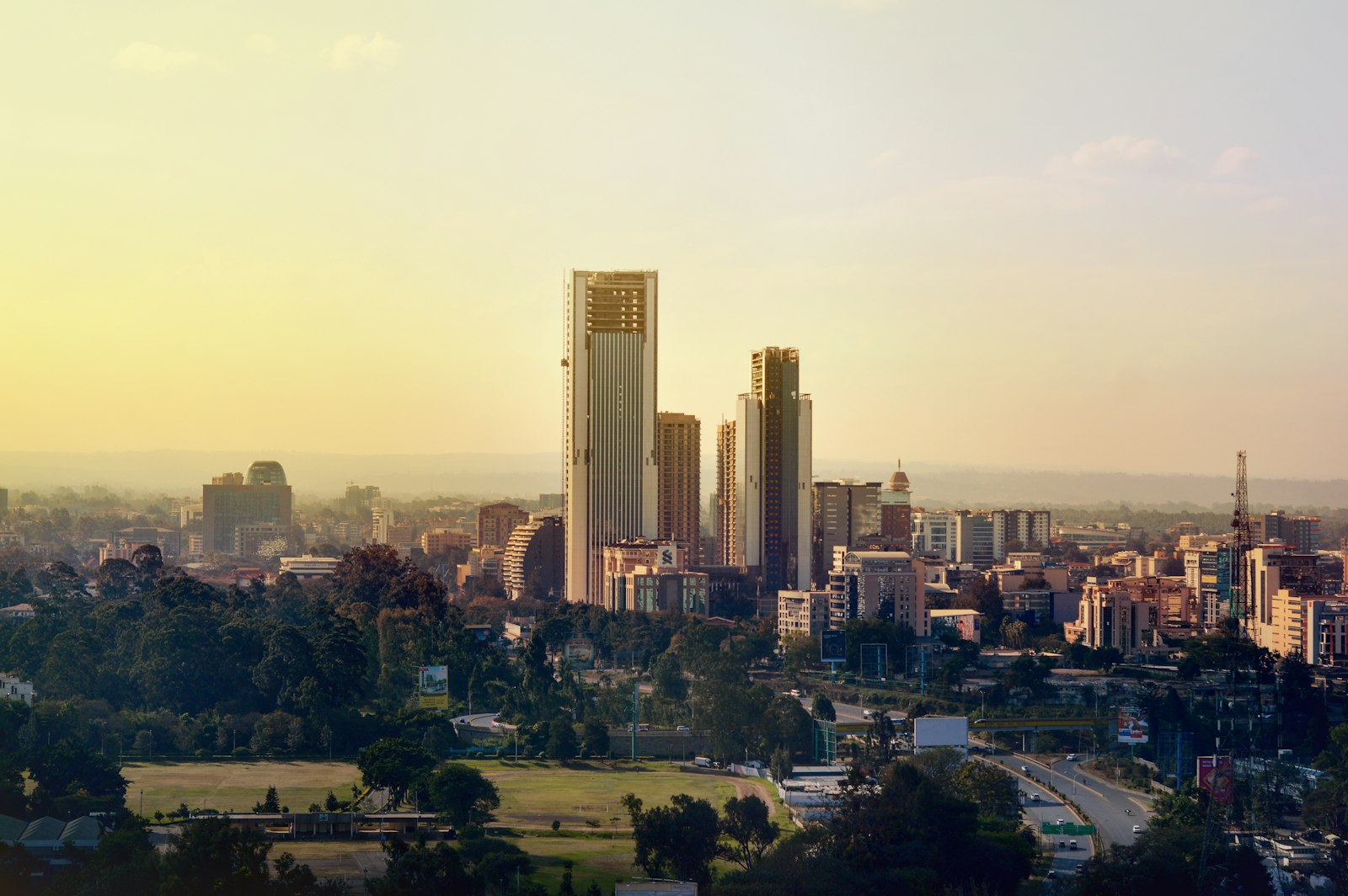
Nairobi is the only capital city on earth where you can watch lions hunt with skyscrapers in the background. Four days unlocks everything that makes it extraordinary: hand-feeding endangered Rothschild giraffes at dawn, watching baby elephants splash in red-mud pools at the David Sheldrick orphanage, and eating extraordinary nyama choma at Carnivore while haggling for Maasai blankets at the weekend market.
⚡ What Nairobi Actually Is
Nairobi sits at 1,795 metres on the edge of the Athi Plains, a highland plateau that makes it one of the most temperate capitals in Africa despite being just 1.5 degrees south of the equator. Founded in 1899 as a railway depot on the Uganda Railway, it grew into East Africa's largest city with over 4.5 million people. The name comes from the Maasai phrase "Enkare Nairobi" meaning "cool water," referring to the Nairobi River that runs through the city centre.
What makes Nairobi genuinely unique among world capitals is Nairobi National Park ($43 / KES 2,000 entry) — 117 square kilometres of open savanna with free-roaming lions, black rhinos, cheetahs, leopards, buffalo, and over 400 bird species, all within sight of the downtown glass towers. No other capital city on earth offers this. The park is just 7 kilometres from the Central Business District.
Beyond the park, Nairobi has the Giraffe Centre ($15 entry) where you hand-feed endangered Rothschild giraffes from an elevated platform at eye level, the David Sheldrick Wildlife Trust elephant orphanage ($50 to foster a baby elephant), the Karen Blixen Museum (KES 200) in the colonial farmhouse that inspired Out of Africa, and a food scene that ranges from KES 200 street-stall nyama choma to the legendary Carnivore restaurant's revolving game-meat spit. The Kenyan AA coffee at Java House alone is worth the flight.
NBO (JKIA)
Airport
Jun–Oct
Best Season
In the city
Big Five
$45/day
Budget From
🌡️ Best Time to Visit Nairobi
Jun–Oct — Dry Season — Best for Wildlife
Recommended
20–25°C daytime, cool nights. This is the ideal window for Nairobi National Park — dry grass means animals gather at water points and visibility is excellent. July to October overlaps with the Great Wildebeest Migration in the Maasai Mara if you extend your trip. The busiest tourist season but for good reason.
Jan–Feb — Short Dry Season — Excellent
Best value
22–27°C, sunny and warm with little rain. Fewer tourists than June–October, excellent wildlife viewing in Nairobi National Park, and lower accommodation prices. Many experienced Kenya travellers consider this the sweet spot — great weather without the peak-season crowds.
Mar–May — Long Rains — Avoid if Possible
Not recommended
Heavy rains, especially April. Roads to game parks flood, Nairobi National Park has fewer visible wildlife, and some safari lodges close. Accommodation is cheapest but the trade-off in experience is significant. The city itself is functional but outdoor activities are heavily impacted.
Nov–Dec — Short Rains — Mixed
Viable with flexibility
Brief afternoon showers, green and lush landscapes. The rain is usually predictable — mornings are clear for game drives and the showers hit between 3pm and 6pm. Prices are moderate, and the park is beautifully green. Good option if you don't mind occasional wet afternoons.
✈️ Getting to Nairobi
Key detail: Jomo Kenyatta International Airport (NBO) is Nairobi's main gateway, located 15km southeast of the city centre. A taxi from JKIA to the CBD costs KES 2,000–3,000 ($15–23). Uber and Bolt are available at the airport and significantly cheaper than metered taxis.
Direct flights from major hubs
Main gatewayNBO has direct connections from London (8.5 hrs), Amsterdam (8 hrs), Dubai (5 hrs), Mumbai (5.5 hrs), Addis Ababa (2 hrs), Johannesburg (4 hrs), and most major African cities. Kenya Airways, British Airways, KLM, Emirates, and Ethiopian Airlines all serve NBO. Book early for July–October peak season.
Airport to city centre
Use ride appsTaxi from JKIA: KES 2,000–3,000 ($15–23) to CBD or Westlands. Uber/Bolt: KES 800–1,500 ($6–12) depending on traffic and surge. The Nairobi Expressway (opened 2022) cuts travel time to 20 minutes outside rush hour. Allow 60–90 minutes during morning or evening rush.
Wilson Airport for domestic & safari flights
Safari connectionsWilson Airport (WIL) is Nairobi's second airport, used for light aircraft flights to the Maasai Mara, Amboseli, Lamu, and Mombasa. SafariLink and AirKenya operate daily flights. Wilson is just 6km from the CBD — a 15-minute taxi ride. Book Mara flights at least 2 weeks ahead in peak season.
Overland from Tanzania, Uganda, or Ethiopia
Budget optionCross-border buses connect Nairobi to Arusha/Dar es Salaam (Tanzania, 8–14 hrs), Kampala (Uganda, 12 hrs), and Addis Ababa (Ethiopia, 2 days via Moyale). Modern Coastline, Riverside Shuttle, and Easy Coach are reliable operators. The Nairobi–Arusha route is popular for combining Kenya and Tanzania safaris.
📅 4-Day Nairobi Itinerary
Each day card is expandable. This itinerary covers Nairobi's highlights at a mid-range pace — adjust timing for budget or luxury. Early mornings are best for wildlife; afternoons suit museums and markets.
- ●08:30 — Uber or Bolt from your hotel to the Giraffe Centre in Langata ($5–7, 30 minutes from Westlands). The centre opens at 9am — arrive early before the tour-bus crowds. The elevated feeding platform puts you at eye level with endangered Rothschild giraffes. Entry: $15 (KES 1,500 for residents). The giraffes are most active and hungry in the cool morning hours.
- ●10:30 — Walk or take a boda-boda (KES 100) to the David Sheldrick Wildlife Trust Elephant Orphanage, 1.5km from the Giraffe Centre. Public visiting hours are strictly 11am to 12pm daily — do not arrive late. Entry: $15. Watch baby elephants play in red-earth mud pools and be bottle-fed by their keepers. You can adopt an elephant for $50/year through sheldrickwildlifetrust.org — one of the most meaningful souvenirs from Kenya.
- ●12:30 — Lunch at The Talisman restaurant in the Karen neighbourhood: Kenyan fusion cuisine in a colonial-era bungalow garden with mains at KES 1,800–2,500 ($14–19). One of the best lunch settings in Nairobi. Budget alternative: a local jua kali (open-air) canteen in Langata for ugali, sukuma wiki, and beans at KES 200 ($1.50).
- ●15:00 — Visit the Kazuri Beads factory in Karen, where single-mother artisans make fair-trade ceramic beads by hand. Free factory tour, shop on-site. The beads make excellent gifts and directly support local women's livelihoods.
- ●17:00 — Return to your hotel. Evening walk to Nairobi Java House on Mama Ngina Street for proper Kenyan AA single-origin Arabica coffee and a mandazi (KES 400). Java House is to Kenya what Starbucks is to the US, but with genuinely world-class single-origin beans grown in the Nyeri highlands.
- ●06:00 — Depart for Nairobi National Park main gate. The park opens at 6am and early morning offers the best wildlife sightings before the heat haze builds. Entry: $43 per adult (KES 2,000 for East African residents). This is the most affordable national park in the world that guarantees big-game wildlife within 10km of a capital city.
- ●06:30 — The park is 117 square kilometres of open savanna with free-roaming lions, black rhinos, cheetahs, leopards, buffalo, zebra, wildebeest, and over 400 bird species. Nairobi NP has the highest density of black rhinos in Africa. The misty skyline backdrop for wildlife photos is unique on earth — available nowhere else.
- ●09:00 — The flat savanna grassland near the Mbagathi River is the best big-cat hunting ground in the morning hours. Lions and cheetahs are most active between 6am and 9am before the heat sets in. A private game drive vehicle with licensed KWS guide costs $50 on top of the entry fee.
- ●11:00 — Hippo Pool: walk the short trail to see hippos resting in the shallows. A family of hippos has lived here for decades and are reliably visible year-round. The walking trail is one of the few places you can exit your vehicle inside the park.
- ●13:00 — Exit the park. Lunch at Carnivore restaurant on Langata Road: the famous revolving-spit all-you-can-eat includes game meat (crocodile, ostrich, wildebeest) plus beef and lamb. Cover charge KES 4,500 ($34) includes unlimited meat carved tableside. Carnivore has served over 3 million guests since 1980.
- ●16:00 — Afternoon free. Explore the Westlands neighbourhood: Sarit Centre for shopping, or Artcaffe for Kenyan-Italian fusion coffee and cake. Rest before dinner.
- ●09:00 — Uber to the Karen Blixen Museum in the Karen suburb ($5–7 from Westlands). The museum is the restored farmhouse of Danish author Isak Dinesen, who wrote Out of Africa about her life on this coffee estate from 1914 to 1931. Entry: KES 200 ($1.50) for the house tour. The Ngong Hills backdrop looks exactly as Meryl Streep flew over them in the film.
- ●11:00 — Walk the Karen Blixen neighbourhood: wide tree-lined roads, colonial bungalows, and the most peaceful corner of Nairobi. Karen is where the city's diplomatic community and wealthier residents live — it feels like a different world from the bustling CBD.
- ●13:00 — Bomas of Kenya on Langata Road (KES 1,000 / $8 entry): a cultural centre showcasing traditional Kenyan homesteads and daily performances of traditional dance from over 42 ethnic communities. The 2pm dance performance is vibrant and genuinely educational — not a tourist trap. Allow 2 hours.
- ●15:30 — Maasai Market (check the weekday schedule — it rotates between venues: Tuesday at Kijabe Street, Friday at the Village Market mall, Saturday at the High Court parking). Hundreds of stalls selling beaded jewellery, kikoy fabric, carved soapstone, and Maasai blankets. Bargaining starts at half the asking price and is expected.
- ●19:00 — Dinner at Mama Oliech in Woodlands Road, Kilimani: the legendary Kenyan tilapia and omena (silver cyprinid) restaurant. Cash only. A full tilapia with ugali and sukuma wiki costs KES 1,200 ($9). This is where Nairobi locals eat when they want the best home-style Kenyan food.
- ●09:00 — Nairobi National Museum on Museum Hill: entry KES 1,500 ($11.50). The museum covers Kenya's prehistory (the Turkana Boy skull — 1.6 million years old, the most complete early human skeleton ever found), colonial history, and natural history. Allow 2 hours for the main galleries.
- ●11:00 — The adjacent Snake Park is included with the museum ticket: live African species including black mambas, puff adders, and Nile crocodiles. An unexpectedly excellent wildlife addition, especially if you're travelling with children.
- ●12:00 — Coffee tasting at a specialty roaster: Nairobi has a rapidly growing third-wave coffee scene. Kenyan AA is among the world's most prized coffee grades, grown at 1,700m in the Nyeri highlands. Try a single-origin pour-over at Java House or visit the Dormans Coffee roastery for a tasting flight (KES 500–800).
- ●13:30 — Final lunch in the CBD. Try a Swahili pilau rice plate at a local restaurant or grab mandazi with chai at Java House before heading to Jomo Kenyatta International Airport.
- ●15:00 — Taxi or Uber to JKIA: KES 2,000–3,000 ($15–23) by taxi, or KES 800–1,200 ($6–9) by Uber/Bolt. Allow 90 minutes from CBD in afternoon traffic on the Mombasa Road corridor. The Nairobi Expressway cuts this to 25 minutes if your driver uses it (KES 300 toll).
Free · Personalised · 24hr Reply
Want this Nairobi plan customised for your dates?
Tell us your group size, budget, and travel dates. We'll build a day-by-day plan around you — completely free.
No account · No credit card · Takes 2 minutes
🦁 Top Attractions in Nairobi
The most important sites in order of priority. Entry fees as of early 2026.
Nairobi National Park
The world's only capital city national park with free-roaming lions, black rhinos, cheetahs, and leopards. 117 square kilometres of open savanna just 7km from the CBD. The skyline-and-lion photograph is available nowhere else on earth. Best visited at dawn — 6am opening.
Giraffe Centre
Hand-feed endangered Rothschild giraffes from an elevated platform at eye level. Run by the African Fund for Endangered Wildlife since 1979. One of the most tactile wildlife encounters in East Africa. Arrive at 9am opening before tour groups.
David Sheldrick Elephant Orphanage
Watch orphaned baby elephants play in red-earth mud pools and be bottle-fed by their keepers. Public visiting: 11am–12pm daily only. Foster an elephant for $50/year to fund their rehabilitation and eventual release into Tsavo National Park. Register online in advance.
Karen Blixen Museum
The restored 1912 farmhouse of Isak Dinesen (Out of Africa). The Ngong Hills backdrop, coffee estate grounds, and period interiors bring the book and film to life. One of the most atmospheric museums in East Africa. Budget 1 hour for the guided tour.
Bomas of Kenya
Traditional homesteads from over 42 Kenyan ethnic communities plus daily performances of traditional dance. The 2pm show is vibrant and educational. Excellent cultural immersion, particularly if you won't be visiting rural Kenya. Allow 2 hours.
Nairobi National Museum
Kenya's flagship museum covering prehistory (Turkana Boy skull), natural history, and cultural heritage. The adjacent Snake Park with live black mambas and Nile crocodiles is included. An excellent rainy-afternoon option. Allow 2 hours.
Kazuri Beads Factory
Fair-trade ceramic bead workshop in Karen where single-mother artisans hand-make beads that are exported worldwide. Free factory tour shows the entire process from clay to kiln to painting. The shop has excellent gifts. A genuine social enterprise worth supporting.
Nairobi — Wildlife, Culture & the Urban Safari
The world's wildest capital city.
📸
Nairobi National Park Lions
Nairobi National Park Lions
Lions in the foreground with the Nairobi city skyline behind — the iconic photograph available nowhere else on earth.
💰 Budget Breakdown
Nairobi is affordable by global capital city standards. The biggest single expense is Nairobi National Park entry ($43) — everything else scales to your budget. Matatus (shared minibuses) and local canteens make budget travel very comfortable; Uber and mid-range restaurants keep mid-range costs reasonable.
| Category | Budget | Mid-Range | Luxury |
|---|---|---|---|
| 🏨 Accommodation | $15–25/night | $60–100/night | $300–600/night |
| 🍽 Food | $8–12/day | $25–45/day | $80–150/day |
| 🚕 Transport | $3–7/day | $15–25/day | $40–120/day |
| 🦁 Activities | $15–25/day | $30–50/day | $100–200/day |
| TOTAL (per person) | $45–65/day | $120–180/day | $350–600+/day |
💚 Budget ($45–65/day)
Stay in hostels or guesthouses in the CBD, eat at local canteens and Java House, take matatus and boda-bodas. Completely doable and comfortable — Nairobi's budget infrastructure is excellent for East Africa.
🌟 Mid-Range ($120–180/day)
Stay in Westlands or Karen (3-star hotels), eat at Carnivore and Talisman, use Uber/Bolt everywhere. This is the sweet spot — comfortable exploration without the premium luxury markup.
💎 Luxury ($350–600+/day)
Fairmont The Norfolk or Hemingways Nairobi, private game drives, helicopter flights over the Ngong Hills, fine dining at Talisman. Giraffe Manor ($700–900/night) is the ultimate — giraffes visit at breakfast through the windows.
Get the free travel guide
+ weekly destination tips
Download the Rajasthan 7-Day Guide instantly — day-by-day itinerary, real budgets, local food spots & packing list. Plus weekly guides from 2,400+ travellers' favourite destinations.
No spam, ever. Unsubscribe with one click.
🏨 Where to Stay in Nairobi
The best areas to stay are Westlands (restaurants, nightlife, central) and Karen (peaceful, close to Giraffe Centre and Blixen Museum). The CBD is convenient but less pleasant at night. Gigiri (UN area) and Lavington are safe, upscale residential neighbourhoods.
Fairmont The Norfolk
Historic luxury · CBD / University Way
Nairobi's most storied hotel, operating since 1904. Colonial-era grandeur, immaculate gardens, and a central location. Winston Churchill, Theodore Roosevelt, and Karen Blixen all stayed here. The Lord Delamere Terrace bar is the classic sundowner spot.
Hemingways Nairobi
Boutique luxury · Karen
A stunning plantation-style boutique hotel in the Karen neighbourhood with views of the Ngong Hills. Named after Ernest Hemingway, who hunted in this area. The spa, restaurant, and service are world-class. Close to the Giraffe Centre and Blixen Museum.
Wildebeest Eco Camp
Budget-mid · Langata area
An eco-friendly camp near Nairobi National Park with dormitories and private bandas (cottages). Popular with backpackers and overland travellers. Good bar, communal kitchen, safari booking desk, and a relaxed garden atmosphere. Walking distance from the Giraffe Centre.
Giraffe Manor
Ultra-luxury · Langata
The most Instagrammed hotel in Africa. Rothschild giraffes visit at breakfast, poking their heads through the windows for food. Bookings open 12 months ahead and sell out fast. If budget allows, even one night here is an extraordinary experience. Full board included.
🍽️ Where to Eat in Nairobi
Nairobi's food scene runs from KES 200 street-stall nyama choma to world-class fine dining. The city has excellent Kenyan home-cooking, East African fusion, and international restaurants. Carnivore is the one meal every visitor should experience.
Carnivore Restaurant
Game meat · Langata Road
The legendary revolving-spit all-you-can-eat includes game meat (crocodile, ostrich, wildebeest) plus beef, pork, and lamb carved tableside on Maasai swords. Cover charge KES 4,500 ($34) includes unlimited meat. Carnivore has been Nairobi's signature dining experience since 1980 — over 3 million guests and counting. Vegetarian options available but this is fundamentally a meat experience.
Mama Oliech
Kenyan home-cooking · Kilimani
The best-loved Kenyan restaurant in Nairobi. Famous for whole fried tilapia with ugali and sukuma wiki. Cash only. KES 1,200 ($9) for a full fish plate. This is where locals eat when they want the best home-style food. Barack Obama ate here during his 2006 Kenya visit. The omena (silver cyprinid) is also excellent.
Java House
Coffee & cafe · Multiple locations
Kenya's premier coffee chain, serving single-origin Kenyan AA Arabica from the Nyeri highlands. The flat white and pour-over are genuinely world-class — the same beans cost 10x more in London speciality shops. Good sandwiches, mandazi, and light meals. Mama Ngina Street and Kenyatta Avenue branches are the most central. KES 400–800 ($3–6) per coffee and snack.
The Talisman
Kenyan fusion · Karen
A colonial-era bungalow in Karen converted into one of Nairobi's finest restaurants. The garden setting is beautiful, the menu blends Kenyan, Asian, and Mediterranean influences, and the wine list is surprisingly good. Mains KES 1,800–2,500 ($14–19). Book ahead for Friday and Saturday dinner. The tasting menu with wine pairing is exceptional.
Where to Stay in Nairobi Kenya
Verified prices · Instant booking
Fairmont The Norfolk
Historic luxury · Since 1904
Hemingways Nairobi
Boutique luxury · Karen
Wildebeest Eco Camp
Eco camp · Langata
Giraffe Manor
Ultra-luxury · Langata
Affiliate links — we earn a small commission at no extra cost to you. Helps keep our guides free.
Things to Do in Nairobi Kenya
Tours & experiences · Instant confirmation
Nairobi National Park Game Drive
Must doGiraffe Centre & Elephant Orphanage Tour
Most popularNairobi Coffee Tour
Karen Blixen Museum & Kazuri Beads
Affiliate links — we earn a small commission at no extra cost to you.
💡 Pro Tips for Nairobi
Use Uber or Bolt, never street taxis
Street taxis in Nairobi charge 3–5x the app rate and rarely use meters honestly. Uber and Bolt are widely available, safe, and dramatically cheaper — a trip from Westlands to Karen is about $4–6 on app versus $15–20 by street taxi. Both apps work at JKIA airport.
Drink Kenyan AA coffee at source
Kenya AA is among the world's most prized coffee grades, grown in the Nyeri highlands at 1,700m. Nairobi Java House and Dormans roast and brew single-origin Kenyan Arabica that costs $3 in the cafe and $30 in a London speciality shop. This is one of the world's great coffee cities.
Book Sheldrick Elephant Orphanage in advance
Visiting hours are strictly 11am–12pm daily. The 3pm keeper-adoption visit for fee-paying adopters is even more limited. Register online at sheldrickwildlifetrust.org before arrival. A $50 adoption fee is one of the most meaningful souvenirs from Kenya — you receive monthly updates on your elephant.
Stay in Westlands or Karen for safety
Westlands and Karen have the best restaurants, reliable app-based transport, and the lowest street crime exposure in Nairobi. The CBD is fine in daylight but avoid walking with visible valuables after dark. Keep your phone in your pocket on busy streets. Gigiri and Lavington are also excellent.
Pay in Kenyan shillings, not USD
USD is widely accepted but you always get a worse exchange rate. Change money at Forex bureaus on Kenyatta Avenue for the best rates — not at hotels, which charge 10–15% spread. M-Pesa mobile payment works everywhere locals shop and is the backbone of Kenya's economy.
Malaria: low risk in Nairobi, high on safari
Nairobi city at 1,700m elevation is considered malaria-low-risk. However, any safari extension to the Maasai Mara, Amboseli, or coastal Mombasa requires antimalarial medication. Consult a travel doctor 6 weeks before departure. Yellow fever vaccination is required if arriving from an endemic country.
📸 Been to Nairobi?
Share your photos and get featured in this guide with full credit. Your real photos help thousands of travellers plan better trips.
❓ Frequently Asked Questions
Plan your Nairobi trip
You Might Also Like


Questions & Comments
Been there? Planning a trip? Drop it below — we reply to everything.
Have you visited this destination?
Any tips you'd add to this guide?
Questions before your trip?
Want a personalised itinerary?
We'll build your day-by-day plan in 24 hours — free.