Madagascar in 7 Days: Lemurs, Baobabs, Tsingy & Beaches
90% of wildlife exists nowhere else on Earth. The complete guide to the Avenue of the Baobabs, Andasibe indri lemurs, Tsingy de Bemaraha, and Nosy Be's turquoise water — every budget.
Delhi · Visited: Kedarnath, Gangotri, Manali, Shimla, Rishikesh & more · April 2026 · 16 min read
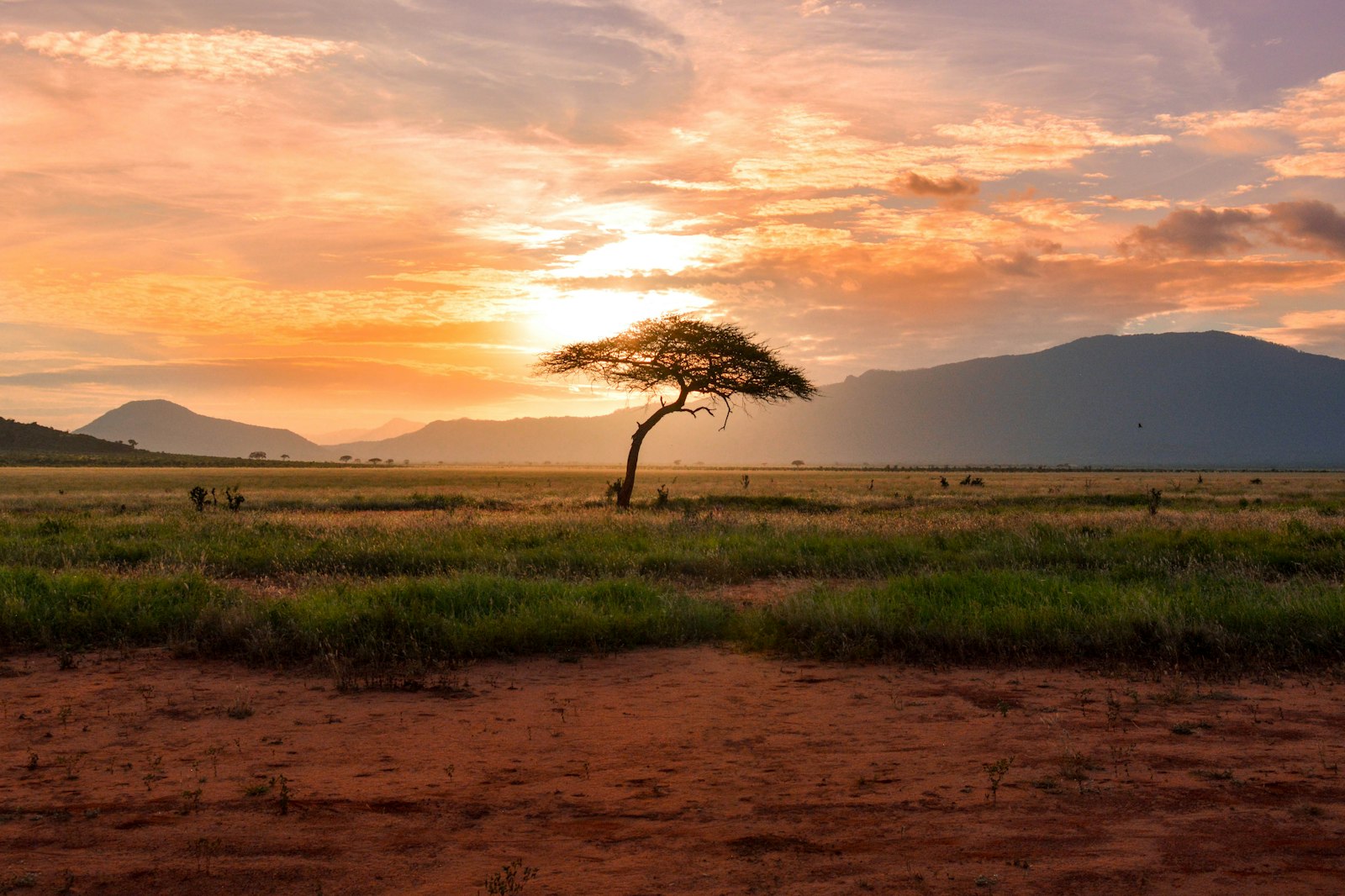
Madagascar is evolution's experiment on its own — a landmass that broke off from Africa 165 million years ago and went its own way. The result: ring-tailed lemurs dancing across red laterite soil, 800-year-old baobabs that look like upturned roots against a Mozambique Channel sunset, and tsingy limestone karst so sharp it cuts through hiking boots. Nowhere prepares you for it.
⚡ What Madagascar Actually Is
Madagascar is the world's fourth-largest island and its most biodiverse per square kilometre. When it separated from Gondwana roughly 88 million years ago, the animals and plants left behind evolved in total isolation — which is why 90% of Madagascar's wildlife is endemic, found literally nowhere else on Earth. There are over 100 species of lemur alone. The panther chameleon grows to the length of your forearm and can shift from brown to electric green in seconds. The elephant bird, which stood three metres tall and laid eggs ten times the size of an ostrich's, went extinct here in the 17th century — its fossils are in the Musée de la Paléontologie in Antananarivo.
The island divides broadly into distinct ecological zones. The east coast is wet tropical rainforest — this is where the indri lemur and the golden bamboo lemur live. The west and south are dry deciduous forest and spiny desert, where the iconic baobabs stand and the fossa (Madagascar's apex predator) hunts. The northwest has the Tsingy de Bemaraha — a UNESCO World Heritage Site of razor-sharp limestone pinnacles that form the most surreal landscape on the island. The northwest coast and offshore islands, especially Nosy Be, are tropical Indian Ocean paradise: white sand, sea turtles, whale sharks in season.
The honest reality of travelling Madagascar is that the country is large (roughly the size of France), the roads are mostly terrible, and the logistics require planning. A 7-day trip covering everything would mean spending most of your time in transit. The approach that works: pick 2–3 regions, fly domestically between them with Air Madagascar (expensive but worth it versus days on the road), and slow down to actually experience each place rather than rushing through every park on the island.
TNR Ivato
Main Airport
Apr–Nov
Best Season
90%+
Endemic Species
$80/day
Budget From
🌡️ Best Time to Visit Madagascar
Apr–Jun — Early Dry Season — Best Overall
Recommended
The rains have stopped, roads are passable, and the landscape is lush from the wet season. Temperatures are comfortable (18–28°C in the highlands). Ring-tailed lemur mating season is April–June — spectacular behaviour. Crowds are thin. The ideal window for most travellers to Madagascar.
Jul–Sep — Peak Dry Season — Whale Watching
Whale season
Humpback whales migrate through the Mozambique Channel July–September — visible from Nosy Be and Île Sainte-Marie on the east coast. Dry, clear weather across the island. Slightly busier at parks, but still uncrowded by international standards. Excellent for Tsingy and Isalo.
Oct–Nov — Late Dry Season — Good Value
Good value
Hot and dry (28–34°C on the coasts), but still excellent for wildlife. Aye-ayes become more active October–December. Fewer tourists than mid-dry season. Some parks at their most photogenic as rains approach and dust settles. Good for budget travellers who want dry conditions at lower prices.
Dec–Mar — Cyclone Season — Avoid Coasts
Avoid coasts
The wet season brings heavy rains, flooded roads, and occasional tropical cyclones that can be severe on the east coast. Many parks temporarily close. If visiting Dec–Mar, stick to Antananarivo and the central plateau. The wet season has its own beauty — waterfalls, empty forests, and lush greenery — but planning is difficult.
✈️ Getting to Madagascar
Key detail: All international flights arrive at Ivato International Airport (TNR) in Antananarivo. Visa on arrival is available for most nationalities ($35 USD for 30 days). Bring USD cash — the on-arrival fee must be paid in US dollars.
From Europe (recommended)
Most connectionsAir France flies Paris CDG → Antananarivo direct (10.5 hrs). Kenya Airways connects via Nairobi. Ethiopian Airlines via Addis Ababa. Turkish Airlines via Istanbul. Typical fares: €400–€900 return. Air Madagascar also operates some international routes seasonally.
From Africa (Nairobi, Johannesburg, Addis)
Via AfricaKenya Airways and Ethiopian Airlines are the main carriers connecting East Africa and Southern Africa to Antananarivo. From Johannesburg: 3–4 hrs. From Nairobi: 3 hrs direct. From Addis Ababa: 4 hrs. Good options for combining Madagascar with a safari.
Domestic Flights (Air Madagascar)
Essential for 7 daysAir Madagascar operates domestic flights connecting Antananarivo to Nosy Be (NOB), Morondava (MOQ), Toamasina (TMM), Toliara (TLE), and Mahajanga (MJN). Fares: $60–$150 one-way. Book at least 2 weeks ahead — seats sell out in peak season. Domestic flying saves days of terrible road travel and is almost always worth it.
Taxi-Brousse (Bush Taxi)
Short distances onlyFor short regional legs, the taxi-brousse (shared minibus or 4WD) is the local transport. Dirt cheap ($2–$15) but very slow — Madagascar's roads are some of the world's worst. The 600km from Tana to Morondava takes 14–18 hours by road. Use for short hops only; fly for anything over 200km.
📅 7-Day Madagascar Itinerary
Each day card is expandable. This itinerary covers Antananarivo, Andasibe (indri lemurs), Morondava (Avenue of the Baobabs and Kirindy forest), and Nosy Be (island beaches). Domestic flights are used between major regions — essential to avoid days of road travel.
- ●Fly into Ivato International Airport (TNR). Visa on arrival: $35 USD cash, queue moves in 20–40 minutes. Exchange some USD to Malagasy Ariary (MGA) at the airport bureau — you'll get a better rate at banks in town but the airport desk is fine for the first day's spending money.
- ●Taxi from the airport to Antananarivo city centre (Antananarivo, known as Tana): MGA 50,000–80,000 (~$12–18). Agree the fare before getting in. The 12km drive takes 20–40 minutes depending on traffic.
- ●Check into accommodation in Haute-Ville (upper town): budget guesthouses from $15/night near the market, or the Palissandre Hôtel & Spa (a design boutique with rooftop views, from $90/night) for mid-range. Both are walkable to the main sights.
- ●Afternoon: walk the steep cobbled streets of Haute-Ville — Tana's old town is built on a series of hills at 1,400m altitude, and the views across the city's red-brick architecture and rice paddies are genuinely beautiful. Visit the Queen's Palace (Rova d'Antananarivo) ruins on the highest hill — free to view from outside, MGA 15,000 to enter the grounds.
- ●Visit the Musée de la Paléontologie in Tsimbazaza — elephant bird eggs, subfossil giant lemur skulls, and a full-size Aepyornis (elephant bird) skeleton. Madagascar produces some of the most extraordinary palaeontological finds in Africa. Entry ~MGA 10,000.
- ●Dinner at Sakamanga restaurant in Isoraka — Tana's most famous restaurant, a converted colonial house with great Malagasy cuisine: romazava (beef and greens stew), ravitoto (cassava leaves with pork), and zebu brochettes. Budget ~$15–25 for dinner.
- ●Early morning departure east towards Andasibe-Mantadia National Park. Budget option: take a taxi-brousse (shared bush taxi) from the Fasan'ny Karana terminal (~$4, 3 hrs). Mid-range: hire a private car or minivan ($45). The road east is one of Madagascar's best — paved and reasonably fast.
- ●Arrive Andasibe village by mid-morning. Check into accommodation: budget guesthouses in the village from $18/night; Andasibe Hotel or Vakôna Forest Lodge from $55–$150/night with rainforest setting and private lemur island.
- ●Enter Andasibe-Mantadia National Park with a mandatory ANGAP-certified guide. Entry: MGA 55,000 (~$12). Guide fee: MGA 55,000–90,000 ($12–$20). The guides know where individual indri families are roosting — without them, finding indri is nearly impossible.
- ●The indri — the largest living lemur — is the reason most people come to Andasibe. Its call is extraordinary: a haunting, operatic wail that carries 3km through the forest. The call sounds like something between a whale song and a foghorn. You'll hear it before you see them. Approach slowly — indri are territorial but unbothered by quiet observers.
- ●Also in Andasibe: brown lemurs, black-and-white ruffed lemurs, Parson's chameleons (the world's largest), and dozens of endemic frog species. The park is also exceptional for orchids — over 50 endemic species.
- ●Evening: guided night walk in the village reserve (~$10) to find mouse lemurs (the world's smallest primate), woolly lemurs, and tenrecs by torch. Dinner at your guesthouse: rice, zebu meat, and local vegetables.
- ●Morning walk in Mitsinjo Community Reserve, directly beside the national park. Entry: MGA 35,000 (~$8). This community-managed reserve is cheaper than the main park and often better for chameleons — Parson's and short-horned chameleons are seen here daily. Proceeds go directly to the village conservation fund.
- ●Visit the private IUCN-supported orchid greenhouse near the park entrance — over 50 species of endemic Malagasy orchid cultivated for research and reintroduction. Small entry fee. A quiet gem that most visitors miss.
- ●Afternoon: rest at your guesthouse or walk the rice terraces outside the village. Andasibe sits in a valley of terraced paddies — the landscape is quietly beautiful and very different from the park interior. Buy street snacks from roadside stalls: mofo baolina (fried dough balls), sugarcane, and fresh passion fruit.
- ●4pm: return to the national park for a second guided walk — different trails see different lemur groups. Late afternoon light on the indri is exceptional for photography.
- ●8pm: second guided night walk for aye-ayes if in season (Oct–Dec) or mouse lemurs and chameleons sleeping on leaves year-round. The aye-aye — Madagascar's most extraordinary lemur, with its skeletal middle finger for extracting grubs from bark — is one of the hardest animals on Earth to observe. Andasibe is one of the best places to try.
- ●Dinner back at guesthouse. Zebu meat (Madagascar's staple protein — the zebu is the sacred cattle of the island) rice, and the local vegetable broth known as laoka. Total for the day keeps low if you eat at the guesthouse kitchen.
- ●Morning taxi-brousse or shared ride back to Antananarivo (3 hrs, $4). Catch your pre-booked domestic Air Madagascar flight to Morondava airport (MOQ) — approximately $60–$90 one-way. Book this at least 2 weeks ahead, especially in peak season (Jul–Sep). The flight takes 1.5 hrs versus 14–18 hrs by road.
- ●Morondava is a small coastal town on the Mozambique Channel, the base for the Avenue of the Baobabs. Check into accommodation: budget auberges from $20/night near the beach; Le Palissandre Côte Ouest from $80/night with garden and pool.
- ●Afternoon: rent a bicycle ($3) or take a zebu cart ride ($5) along the red laterite road 24km north towards Belo sur Tsiribihina to the Avenue of the Baobabs (Allée des Baobabs). The avenue is not a park — it is a public road lined on both sides with approximately 25 ancient Adansonia grandidieri trees, some 800 years old, 25–30 metres tall, with no branches except at the crown.
- ●Arrive 45 minutes before sunset. The trees glow amber and gold as the light drops. The silhouette of the baobabs against the orange sky is exactly as extraordinary as every photograph you've seen — and more so in person because of the scale. Entry is free. A small community donation of MGA 2,000 is customary.
- ●Wait for the full sunset — the last 10 minutes as the sun touches the horizon are the best. Then turn around: the colours on the opposite side can be equally extraordinary if the eastern sky is catching light.
- ●Dinner at Chez Maggie, a popular beach shack in Morondava: grilled fresh fish, coconut rice, and cold THB (Three Horses Beer — Madagascar's national lager). $7–$12.
- ●5:30am: return to the Avenue of the Baobabs at dawn before other visitors arrive. Sunrise is quieter than sunset, the light comes from the east (different from sunset), and the atmosphere is completely different — mist sometimes sits low in the field between the trees. This is the shot most photographers actually prefer.
- ●8am: drive 60km north to Kirindy Forest Reserve — a dry deciduous forest reserve 2 hours north of Morondava by 4WD track. Entry: MGA 45,000 (~$10). Guide fee: MGA 65,000 (~$15). A 4WD is essential — the track is impassable after rain.
- ●Kirindy is the best place in Madagascar to find the fossa (Cryptoprocta ferox) — Madagascar's apex predator and largest carnivore. The fossa is a mongoose relative that looks like a small puma: russet-coloured, low to the ground, extraordinarily agile. It hunts lemurs. There is nothing else on Earth quite like it. Kirindy guides know the fossa's regular patrol routes.
- ●Also in Kirindy: giant jumping rats (the world's largest nocturnal rodent, hopping like a miniature kangaroo), banded mongooses, Coquerel's giant coua, and seven species of lemur including Verreaux's sifaka (the dancing lemur — it moves across open ground with sideways leaps that look like choreography).
- ●Return to Morondava by mid-afternoon. Final walk along the Mozambique Channel beach — watch local pirogue (outrigger canoe) fishermen returning with the morning catch. The beach at Morondava is wide, flat, and very quiet by international coastal standards.
- ●Evening: last dinner in Morondava. Pack and prepare for the morning flight to Nosy Be.
- ●Morning Air Madagascar flight from Morondava to Nosy Be (NOB) — usually routed via Antananarivo, total travel time 3–4 hrs including connection. Alternatively fly Morondava → Tana → Nosy Be. Book the full routing at once. Fare: ~$80–$120.
- ●Nosy Be ('Big Island' in Malagasy) is Madagascar's main tourist island: heavily forested with ylang-ylang and vanilla plantations, ringed with white-sand beaches, and surrounded by a marine environment of exceptional quality. It is called the 'perfume island' — the ylang-ylang flower is distilled here for the global perfume industry.
- ●Check into accommodation in Ambatoloaka (the main tourist beach) or Hell-Ville (the main town): budget bungalows from $25/night; mid-range beach resorts from $80/night with pool and breakfast.
- ●Afternoon: arrange a boat to Nosy Tanikely Marine Reserve ($15 boat transfer + MGA 20,000 entry) — a small island 10km south of Nosy Be with a protected marine park. Snorkelling in the reserve: sea turtles are virtually guaranteed (hawksbill and green turtles rest on the reef), clownfish in the anemones, parrotfish, and schools of tropical reef fish in exceptional clarity.
- ●Back in Nosy Be before sunset: visit an ylang-ylang distillery (~$5 guided tour). See how the copper pot stills extract the essential oil — it takes approximately 150kg of flowers to produce 1 litre of ylang-ylang oil. Buy a small bottle direct from the producer for a fraction of the retail price.
- ●Sunset at a beachside bar in Ambatoloaka with Trois Chevaux beer ($1.50) or a rum sour made with local rhum arrangé (fruit-infused rum — Madagascar does it exceptionally well). Dinner: fresh prawns and zebu brochettes at a beachside grill ($12–$20).
- ●Morning boat trip to Nosy Komba — 'lemur island', 20 minutes south of Nosy Be by motorboat ($20 day trip return). Nosy Komba has a village and a semi-wild population of black lemurs (Eulemur macaco) that have been habituated to humans for generations. They climb onto your arms and sit on your shoulder for a banana. Nothing about this is arranged wildlife — they come and go freely from the surrounding forest.
- ●Snorkel off Nosy Sakatia or Nosy Iranja (the twin-island sandbar, accessible at low tide) if timing allows. Nosy Iranja is 50km south of Nosy Be and requires a dedicated day trip ($45–$80 all-in) but offers the most spectacular scenery in the archipelago: two islands connected by a white sand causeway that disappears at high tide, sea turtle nesting beach, and superb snorkelling.
- ●July–September: whale watching from Nosy Be. Humpback whales migrate through the Mozambique Channel during these months — visible from shore and on dedicated 2-hour boat trips ($30–$50). Some years also bring whale sharks to the Nosy Be reef.
- ●Afternoon: souvenir shopping in Hell-Ville market or Ambatoloaka. Must-buy items: genuine Madagascan vanilla pods (1kg for MGA 85,000, ~$20 at source, versus $150+ abroad — bring a vacuum-seal bag), ylang-ylang and patchouli essential oils direct from distilleries, handwoven raffia baskets, and zebu leather goods.
- ●Evening flight back to Antananarivo (TNR) for your international connection. If your international flight departs the following morning, overnight in Tana at a hotel near the airport. The Ibis Antananarivo Airport is reliable, $55–$70, and 5 minutes from the terminal.
- ●Final tip: at Ivato airport departure hall, pick up Malagasy silk scarves and hand-painted zebu leather wallets from the artisan shops. They are genuinely good quality and not overpriced. The vanilla pods available airside are also real, though at a slight premium over the market.
Free · Personalised · 24hr Reply
Want this Madagascar plan customised for your dates?
Tell us your group size, budget, and travel dates. We'll build a day-by-day plan around you — completely free.
No account · No credit card · Takes 2 minutes
🗺️ Madagascar Landmark Guide
The essential sites in order of priority. Entry fees in MGA and approximate USD equivalents as of early 2026. Park entry fees are set by Madagascar National Parks (MNP) and are per person per 24-hour period.
Avenue of the Baobabs (Allée des Baobabs)
Twenty-five ancient Adansonia grandidieri baobabs lining a public road 24km north of Morondava. Some are estimated at 800+ years old. The silhouette at sunset is the most photographed image in Madagascar. Come for both sunset and sunrise — the light is different and sunrise is less crowded. No formal park structure — the road is open day and night.
Andasibe-Mantadia National Park
The best place in Madagascar to hear and observe the indri lemur — the largest living lemur, with one of the most extraordinary vocalisations in the animal kingdom. Also excellent for chameleons, orchids, and nocturnal species on night walks. 140km east of Antananarivo; paved road, 3 hrs.
Tsingy de Bemaraha (UNESCO World Heritage)
The Grand Tsingy is a landscape of razor-sharp limestone pinnacles (tsingy means 'where one cannot walk barefoot' in Malagasy). The Grande Tsingy circuit involves suspension bridges and iron ladders through a labyrinth of karst formations. Located in the northwest, accessible from Morondava or Mahajanga — requires 4WD and advance planning. One of the most extraordinary landscapes on Earth.
Ranomafana National Park
Eastern rainforest park, 5 hours south of Antananarivo. Home to the golden bamboo lemur (discovered here in 1986) and the critically endangered greater bamboo lemur. Also: red-fronted brown lemur, white-fronted brown lemur, and extraordinary birdlife. Hot spring thermal pools just outside the park entrance for post-trek soaking ($3).
Isalo National Park
Sandstone canyon landscape in the southwest — natural swimming pools (Piscine Naturelle Bleue and Noire), waterfalls, canyon slots, and ring-tailed lemurs sunbathing on warm rocks. The Isalo massif at sunset is dramatic. Stay at Relais de la Reine Isalo — one of Madagascar's finest lodges, built into the canyon.
Nosy Be Marine Reserve (Nosy Tanikely)
The small island of Nosy Tanikely, 10km south of Nosy Be, has one of Madagascar's best snorkelling environments — sea turtles are reliably present on the reef, alongside hundreds of species of reef fish. The lighthouse summit gives panoramic views of the Nosy Be archipelago. Half-day trip from Nosy Be.
Kirindy Forest Reserve
Dry deciduous forest north of Morondava, the best location in Madagascar for fossa observation. Verreaux's sifaka, giant jumping rat, banded mongooses, and seven lemur species. The fossa is most active in November (breeding season) but present year-round. Requires 4WD to reach.
Madagascar — Baobabs, Lemurs & the Indian Ocean
The world's most biodiverse island per square kilometre.
📸
Avenue of the Baobabs at Sunset
Avenue of the Baobabs at Sunset
The 800-year-old Adansonia grandidieri baobabs lining a red laterite road near Morondava — the most iconic image in Madagascar.
💰 Budget Breakdown
Madagascar's biggest variable costs are domestic flights (worth every dollar) and park fees (add up quickly if visiting multiple parks). Accommodation and food are cheap by international standards — the real spend is getting between regions.
| Category | Budget | Mid-Range | Luxury |
|---|---|---|---|
| 🏨 Accommodation (per night) | $15–25 | $55–80 | $150–400 |
| 🍽️ Food (per day) | $8–15 | $25–40 | $70–120 |
| ✈️ Domestic flights (per leg) | $60–80 | $80–120 | $150–300 (charter) |
| 🚌 Ground transport (per day) | $5–15 | $30–60 | $60–120 |
| 🌿 Park fees (per day) | $12–25 | $25–55 | $55–120 (private guide) |
| TOTAL (per person per day) | $80–95 | $145–240 | $360–920 |
💚 Budget ($80–95/day)
Guesthouses, hotelys (local canteens with rice + laoka for $2–3), taxi-brousse between points, ANGAP guides at standard rate. Requires flexibility and tolerance for slow travel. Completely doable and very rewarding.
🌟 Mid-Range ($145–240/day)
3-star lodges and beach bungalows, restaurant meals, private car hire for some legs, Air Madagascar domestic flights. The sweet spot for most travellers who want comfort without the luxury price tag.
💎 Luxury ($360+/day)
Private island resorts (Miavana, Anjajavy), private guides and vehicles, specialist naturalist experiences. Madagascar has genuinely world-class luxury lodges, particularly on Nosy Be and in Isalo.
Get the free travel guide
+ weekly destination tips
Download the Rajasthan 7-Day Guide instantly — day-by-day itinerary, real budgets, local food spots & packing list. Plus weekly guides from 2,400+ travellers' favourite destinations.
No spam, ever. Unsubscribe with one click.
🏨 Where to Stay in Madagascar
Madagascar's accommodation ranges from $15 village guesthouses to $1,000+/night private islands. The best lodges are in Nosy Be and Isalo. In Antananarivo and the national park areas, mid-range lodges offer good value.
Palissandre Hôtel & Spa, Antananarivo
Boutique hotel · Haute-Ville, Antananarivo
A design hotel in a restored colonial building in Tana's upper town. Rooftop pool, spa, excellent Malagasy restaurant. The benchmark for mid-range accommodation in Antananarivo. Well-located for walking to the Rova and the museum.
Relais de la Reine, Isalo
Canyon lodge · Ranohira, Isalo National Park
Built into the sandstone canyon of Isalo, with a natural rock swimming pool, sunset terrace, and ring-tailed lemurs visiting the garden. One of the finest lodge settings in Madagascar. Book directly for best rates and guided park walks from the property.
Vakôna Forest Lodge, Andasibe
Rainforest lodge · Andasibe-Mantadia
Set in the forest at the edge of the national park, with a private lemur island where several lemur species roam free. Pool, restaurant, guided walks from the property. The best base for multiple days of lemur spotting in Andasibe.
Anjajavy Private Reserve, Northwest
Private island resort · Northwest coast
A private 175-hectare dry forest reserve on the northwest coast, accessible only by charter flight. 25 villas on the beach, private snorkelling, guided lemur and bird walks in the forest reserve. One of Africa's great wildlife lodges.
Budget Guesthouses, Nosy Be (Ambatoloaka)
Budget bungalows · Ambatoloaka beach, Nosy Be
Ambatoloaka has dozens of bungalow operations from $25–60/night with varying quality. Ask to see the room before committing. Most include breakfast. The area has good beach access, restaurants within walking distance, and boat-trip operators on the beach.
🍽️ Where to Eat in Madagascar
Malagasy cuisine centres on rice (vary) eaten three times a day, zebu meat (the sacred cattle of Madagascar), fresh seafood on the coasts, and a range of laoka (side dishes). Eating at local hotelys (canteens) costs $2–3 for a full meal. Restaurant meals in tourist areas run $8–25.
Sakamanga Restaurant, Antananarivo
Malagasy fine dining · Isoraka district, Tana
The most famous restaurant in Antananarivo — a converted colonial house in the Isoraka district with a courtyard, craft shop, and guesthouse attached. The menu spans authentic Malagasy cuisine (romazava, ravitoto, zebu tenderloin) and international dishes. Warm, atmospheric, and genuinely excellent food. Budget $15–25 for dinner including drinks.
Chez Maggie, Morondava
Beach shack seafood · Morondava waterfront
A simple, open-air beach restaurant on the Morondava waterfront. Grilled fresh fish (the daily catch from pirogue boats), coconut rice, and ice-cold THB beer. The kind of place you eat at every day when based in Morondava. Cheap ($6–12), casual, and the fish is excellent.
La Plantation, Nosy Be
Seafood restaurant · Hell-Ville area, Nosy Be
One of Nosy Be's best restaurants: octopus salad, grilled Malagasy lobster, and homemade rum arrangé infusions (vanilla, lemongrass, ginger). Excellent wine list for Madagascar. A splurge dinner ($35–50/person) that is well worth it after a week of budget eating.
Local Hotelys (anywhere)
Canteen dining · Nationwide
The hotely is Madagascar's equivalent of a canteen: a simple room serving rice, laoka (meat or fish in sauce), and broth for MGA 3,000–8,000 ($0.70–$2). Eaten at breakfast, lunch, and dinner by most Malagasy people. Quality varies but the best ones are excellent. Always ask what's available today rather than ordering from a menu — there often isn't one.
Where to Stay in Madagascar
Verified prices · Instant booking
Palissandre Hôtel & Spa
Boutique hotel · Antananarivo
Relais de la Reine
Canyon lodge · Isalo National Park
Vakôna Forest Lodge
Rainforest lodge · Andasibe
Nosy Be Beach Bungalows
Beach resort · Ambatoloaka, Nosy Be
Affiliate links — we earn a small commission at no extra cost to you. Helps keep our guides free.
Things to Do in Madagascar
Tours & experiences · Instant confirmation
Andasibe Lemur Guided Walk
Must doAvenue of the Baobabs Sunset Tour
IconicNosy Be Snorkelling & Sea Turtles
Tsingy de Bemaraha Guided Trek
Affiliate links — we earn a small commission at no extra cost to you.
❌ Mistakes to Avoid in Madagascar
Underestimating Road Travel Times
Madagascar's roads are some of the world's worst. The 600km from Tana to Morondava takes 14–18 hours by road. Always fly domestically where possible ($60–120 one-way). Use taxi-brousse for short regional hops only. Without flights, a 7-day itinerary is impossible.
Skipping Malaria Prophylaxis
Malaria is present year-round in Madagascar, especially on the coast and in Nosy Be. Start prophylaxis (doxycycline or Malarone) before departure as directed by a travel health clinic. Also get hepatitis A and typhoid vaccinations. Carry DEET spray — mosquito exposure is constant in the forests.
Visiting During Cyclone Season (Dec–Mar)
The wet season brings tropical cyclones, flooded roads, and temporarily closed parks. April–November is the dry season and the correct window for most travellers. If visiting Dec–Mar, stick to Antananarivo and the central plateau highlands and avoid the east and west coasts.
Not Bringing Enough USD Cash
ATMs outside Antananarivo are unreliable and often out of cash. Bring USD in small denominations ($1, $5, $10 bills) and exchange at BNI or BFV banks in Tana on arrival. Cards are only accepted at upscale hotels. MGA currency is not convertible abroad — use it all before you leave.
Trying to See Everything in 7 Days
Madagascar is the size of France. The baobabs (west), tsingy (far northwest), rainforest (east), Isalo canyons (southwest), and Nosy Be (northwest) cannot all be seen overland in 7 days. Pick 2–3 regions and fly between them. Depth is better than breadth here.
Underestimating the Insects
In the rainforest and on the coast, mosquitoes are constant. Bring high-percentage DEET (40%+), long-sleeve shirts for evening, and a treated mosquito net if staying in budget guesthouses. Leeches are common in the wet season in eastern parks — tuck trousers into socks on forest trails.
💡 Pro Tips for Madagascar
Always Hire a Specialist Naturalist Guide
Park guides are mandatory, but the best guides are ANGAP-certified naturalists who know individual lemur families, their territories, and their behaviour. Tip generously ($10–20 extra). A great guide finds an indri family in 20 minutes; without one, you could spend the whole day listening and looking and finding nothing.
Buy Vanilla at Source in Nosy Be
Madagascar produces 80% of the world's vanilla supply. In Nosy Be or the SAVA vanilla-growing region, Grade A bourbon vanilla pods cost MGA 85,000–100,000/kg (~$20–25) direct from producers. The same kilogram sells for $150+ in Western supermarkets. Bring a vacuum-seal bag and buy as much as your luggage allows.
Avenue of the Baobabs: Go at Sunrise Too
Sunset at the Avenue of the Baobabs is spectacular but crowded. Sunrise has fewer visitors, different directional light, and sometimes mist sitting in the field between the trees — visually more interesting for photography. Stay overnight in Morondava and catch both. The full moon rising behind the baobabs in the right months is extraordinary.
Learn a Few Words of Malagasy
'Misaotra' (thank you), 'Salama' (hello), 'Tsara be' (very good) — a few words of Malagasy open extraordinary warmth. Outside Antananarivo, English is rare. French is the second language and widely understood in tourist areas. Carry a phrasebook or download a Malagasy phrase app before you go.
Book Domestic Flights Weeks Ahead
Air Madagascar is the only reliable domestic carrier. Seats on popular routes (Tana–Nosy Be, Tana–Morondava) sell out 2–4 weeks ahead in peak season (Jul–Sep). Book online immediately after confirming your international flights. Delays are common — build buffer time into your itinerary around domestic connections.
Evening Wildlife is as Good as Daytime
Madagascar has a disproportionate number of nocturnal species — mouse lemurs, aye-ayes, chameleons, tenrecs, and extraordinary spiders. A guided night walk ($10–20) in any forest reserve is almost always excellent. In Andasibe especially, the night walk often produces more individual wildlife sightings than the daytime walk.
📸 Been to Madagascar?
Share your photos and get featured in this guide with full credit. Your real photos help thousands of travellers plan better trips.
❓ Frequently Asked Questions
Plan your Madagascar trip
You Might Also Like


Questions & Comments
Been there? Planning a trip? Drop it below — we reply to everything.
Have you visited this destination?
Any tips you'd add to this guide?
Questions before your trip?
Want a personalised itinerary?
We'll build your day-by-day plan in 24 hours — free.