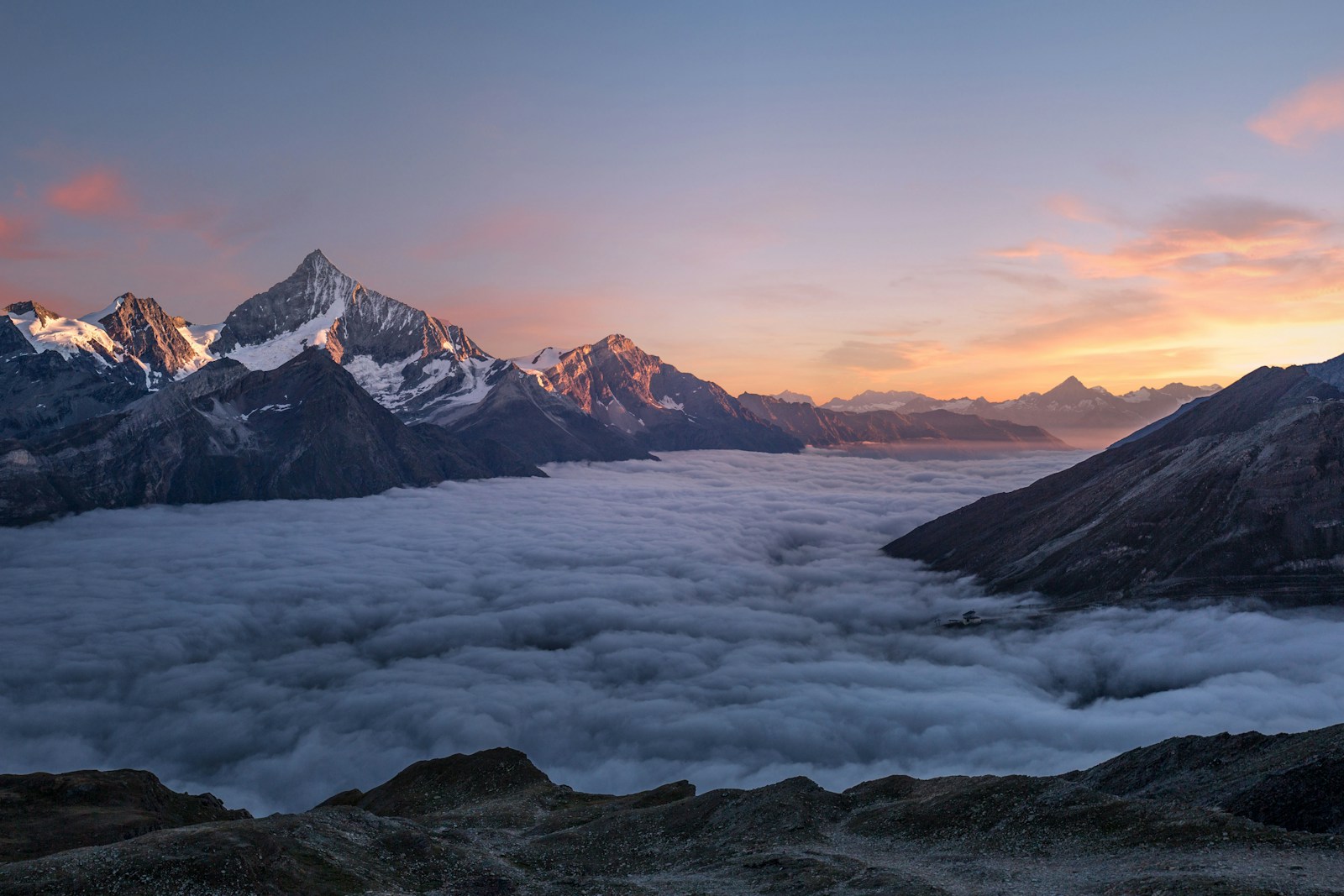
Kohima in 3 Days: WWII Battleground, Naga Culture & Dzükou Valley
The 'Stalingrad of the East', 16 Naga tribes, a valley of sub-alpine lilies, and food unlike anything else in India. The Northeast destination most Indian travellers have never considered.
The Kohima War Cemetery stopped me completely. 1,421 graves on the ridge where the Battle of Kohima was fought in 1944 — the battle that stopped the Japanese invasion of India. The epitaph reads: 'When you go home, tell them of us and say, for your tomorrow, we gave our today.'
Kohima is the least-visited state capital in India — and one of the most rewarding. Three days here gives you the most significant WWII site in Asia, an introduction to 16 distinct Naga tribal cultures, the dramatic Dzükou Valley trek, and a cuisine so distinctive it bears no resemblance to anything else called 'Indian food.' The ILP requirement (a simple permit) keeps casual tourists away — which is exactly why it's special.
Oct–Apr
Best Season
Dec 1–10
Hornbill Festival
1,444 m
Altitude
4.6★
Rating
⚡ Pick Your Plan
Same 3-day route through Kohima, two comfort levels. Local guides add enormous depth to both plans.
| Category | Budget | Comfortable |
|---|---|---|
| Stay | Budget guesthouse (₹700–1200) | Nagaland Tourism homestay (₹2000–4000) |
| Guide | Self-guided (ILP required) | Local cultural guide (₹800–1200/day) |
| Dzükou | Day trek only | Overnight in forest rest house |
| Total (pp) | Under ₹8,000 | ₹8,000–20,000 |
📅 Day-by-Day Itinerary
Day 1: Arrive Dimapur → ILP → War Cemetery. Day 2: Naga Heritage Village → Dzükou Valley → local dinner. Day 3: Touphema eco village → market → depart.
- ●Fly to Dimapur (the nearest airport, 74 km from Kohima). Dimapur has flights from Kolkata, Guwahati, Delhi (via Kolkata), and Imphal. Alternatively, overnight train from Guwahati to Dimapur (7 hrs).
- ●ILP (Inner Line Permit): Mandatory for all non-Nagaland Indian citizens. Get it online at nagalanditr.com (₹100, valid 15 days, instant digital permit) before you arrive, or collect the physical permit at the Dimapur airport/railway station checkpoint. Do not enter Nagaland without it — police checks are frequent.
- ●Shared taxi Dimapur → Kohima (74 km, 2 hrs, ₹400–600 per person). The road climbs dramatically through the Naga hills — views improve as you ascend. Check in to a budget guesthouse in Kohima town (₹700–1200/night).
- ●Kohima War Cemetery: 1,421 Allied graves on the ridge where the most brutal WWII battle in Asia was fought in April–June 1944. The battle for Kohima stopped the Japanese advance toward India — historians call it the 'Stalingrad of the East.' The graves are impeccably maintained by the Commonwealth War Graves Commission.
- ●The Tennis Court marker: The actual garden of the British Deputy Commissioner's bungalow where the most intense phase of the battle was fought. The Japanese and Allied forces were sometimes 10 metres apart across the tennis court.
- ●Evening: Walk Kohima's main market for your first taste of Naga street food. Look for smoked pork stalls and fried momos.
- ●Naga Heritage Village (Kisama, 8 km from Kohima): 16 traditional Naga tribal house replicas in a single heritage complex. Each tribe's morung (men's dormitory), spears, skull trophies, traditional weaving, and architectural style are distinct. This is the Hornbill Festival venue — worth visiting even outside festival season.
- ●State Museum (Kohima): The finest collection of Naga warrior artifacts in existence — traditional dress, headhunting implements, WWII memorabilia, tribal musical instruments. Allow 1.5 hours. Entry ₹20.
- ●Kohima Cathedral: One of the largest cathedrals in Asia, reflecting Nagaland's majority Christian population. The architecture blends Naga traditional motifs with Christian iconography.
- ●Dzükou Valley day trek: Start by 8 AM for the 9 km one-way trek (3–4 hrs up, 2.5 hrs down). The path climbs 700m through sub-alpine meadows to the valley at 2,400m. Dzükou River, natural caves, and extraordinary views. Return to Kohima by evening. Trekking shoes are essential.
- ●Local Naga dinner in Kohima: Try smoked pork with bamboo shoot (anishi), akhuni chutney with steamed rice, and Naga curry with local greens. Warn the restaurant about your chili tolerance — even 'mild' Naga food is fiery. Rice beer (zutho) is the traditional accompaniment.
- ●Touphema Tourist Village (41 km from Kohima): An authentic Naga eco-village community that offers homestays and cultural experiences. Traditional longhouses, Naga cuisine, weaving demonstrations, and folk music. Even a half-day visit is worthwhile.
- ●Kohima local market: The largest Naga chili (Bhut Jolokia / ghost pepper) market in India. Also: smoked meats, fermented bamboo shoots, akhuni (fermented soybean), local greens, handwoven Naga shawls (₹500–3000 depending on quality and tribe), and spears as souvenirs.
- ●Shared taxi back to Dimapur (₹400–600, 2 hrs) for your evening flight or onward train to Guwahati.
⚔️ WWII History & Naga Culture
Understanding these two layers makes Kohima infinitely more rewarding than just ticking off sights.
The Battle of Kohima (1944)
April–June 1944: Japanese forces besieged Kohima, attempting to cut off the Allied supply line to China and invade India through Assam. The siege was broken in brutal close-quarters combat. Victory here ended Japan's last major offensive in the Asian theatre. The Commonwealth War Graves Commission maintains 1,421 graves — many of soldiers in their teens and twenties.
The Kohima Epitaph
The cemetery bears one of the most famous inscriptions in military history: 'When you go home, tell them of us and say, for your tomorrow, we gave our today.' Written by John Maxwell Edmonds in 1916, it was adopted specifically for Kohima. Stand in front of it alone if possible.
The 16 Naga Tribes
Nagaland's 16 tribes are not merely cultural subdivisions — each has a distinct language, weaving pattern, headgear, architectural style, and oral tradition. The Angami (Kohima region), Ao, Lotha, Sumi, and Konyak (famous for tattooed headhunters) are among the most documented. The Hornbill Festival brings all 16 together.
Naga Headhunting Heritage
Headhunting was practiced by Naga tribes until the early 20th century — a ritualistic tradition tied to male coming-of-age, agricultural cycles, and spiritual protection. The Konyak tribe's last headhunters (now elderly) live near Mon, northern Nagaland. The practice ended with Christianization but the cultural memory is preserved in morungs and artifacts.
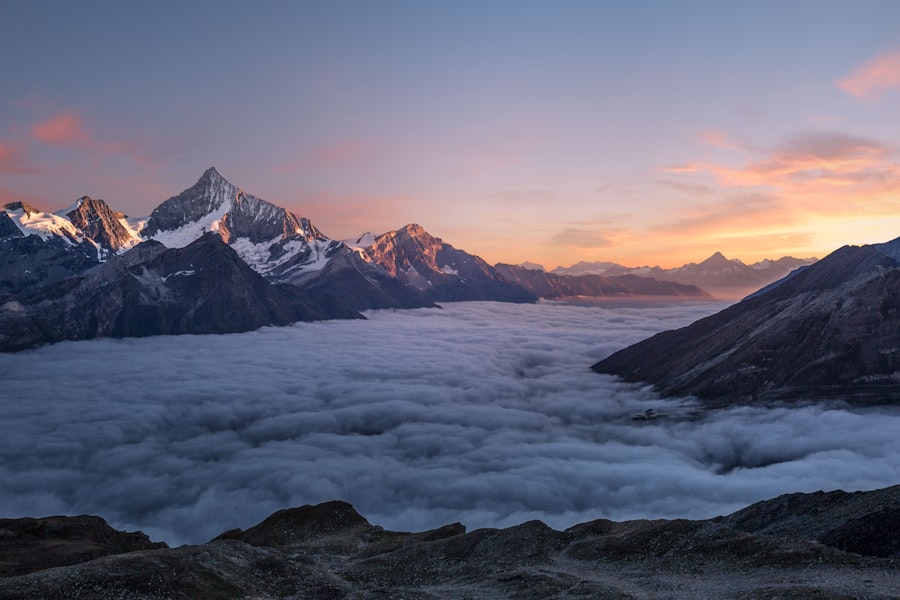
Dzükou Valley at 2,400m — 9 km trek from the trailhead. The Dzükou lily (Lilium nobilissimum) blooms July–August.
💰 Budget Breakdown
Budget
Under ₹8,000
per person
Comfortable
₹8,000–20,000
per person
* All prices per person. During Hornbill Festival (Dec 1–10), accommodation costs 2–3x normal rates and must be booked 3 months ahead. Entry to Hornbill Festival: ₹200–500/day.
Where to Stay in Kohima
Compare prices · Free cancellation on most rooms
Tours & Activities in Kohima
Skip the queue · Instant confirmation · Free cancellation
Affiliate links — we earn a small commission at no extra cost to you. Helps keep our guides free.
❌ Mistakes to Avoid
Arriving without an ILP
Police checkpoints between Dimapur and Kohima are serious. Get your Inner Line Permit from nagalanditr.com before you travel. ₹100, instant, valid 15 days. Don't risk a fine and turning back.
Skipping the War Cemetery
Every visitor to Kohima should spend at least an hour at the War Cemetery. It's one of the most moving places in India and the historical context transforms every other experience in the city.
Treating Dzükou as a casual walk
The 9 km trek has a 700m elevation gain. Wear proper trekking shoes (not sandals or sneakers), carry 2 litres of water, and start by 8 AM to complete the return in daylight. The descent is particularly slippery in wet weather.
Being timid about Naga food
Naga cuisine is extraordinary — don't stick to 'safe' Indian options. The smoked pork with bamboo shoot, akhuni chutney, and rice is one of the most distinctive food experiences in all of India. Tell the restaurant your spice level honestly.
Visiting during July–August without planning
July–August is Dzükou lily season but also heavy monsoon. The trek becomes genuinely slippery. Roads can close. The War Cemetery is less accessible. Go October–April or December for Hornbill.
Not hiring a local guide for cultural sites
The Naga Heritage Village and local markets need context. A local guide (₹800–1200/day) transforms the experience from looking at artifacts to understanding living culture. Many are from the tribes whose heritage they explain.
💡 Pro Tips
ILP (Inner Line Permit) is Mandatory
Non-Nagaland Indian citizens need an Inner Line Permit to enter Nagaland. Get it online at nagalanditr.com (₹100, available instantly) or at Dimapur entry checkpoint. Foreigners need additional RAP (Restricted Area Permit). Don't enter without ILP — police checks are thorough.
Battle of Kohima Context
In April–June 1944, Japanese forces besieged Kohima in an attempt to invade India through Burma. The Allied defense on the tennis court was the turning point of the entire Asia-Pacific war. The famous Kohima Epitaph: 'When you go home, tell them of us and say, for your tomorrow, we gave our today.'
Naga Chili: Bhut Jolokia
The Bhut Jolokia (ghost pepper) from Nagaland is one of the world's hottest chilies (1,000,000+ Scoville units). Naga cuisine uses it in everything. Tell restaurants your heat tolerance. Even 'mild' Naga food is very spicy by Indian standards.
Hornbill Festival (December 1–10)
The annual Naga cultural festival showcases all 16 Naga tribes simultaneously: folk dances, traditional games, morungs, rock music competition, and Naga food. It's the most accessible window into Naga culture. Book flights and hotels 3 months ahead.
Dzükou Valley Trek
The 9 km trek (one way) to Dzükou Valley (2,400m) passes through some of Northeast India's finest sub-alpine meadows. The valley has a river, natural cave, and Dzükou lily (blooms July–August). Stay overnight in the forest rest house for the full experience.
Naga Food Guide
Must-tries: smoked pork with bamboo shoot (anishi), steamed rice with akhuni chutney, Naga curry with local greens, and rice beer (zutho). The Kohima local market sells all ingredients — go early for the freshest produce.
Want This Planned for You?
We'll handle your ILP, book the accommodation, arrange local guides, and send your full Kohima itinerary within 24 hours. Free.
❓ Frequently Asked Questions
Kohima — Highlights
The best of Kohima in photos.
📸
Kohima Landscape
Kohima Landscape
The stunning landscapes of Kohima.
Explore More Northeast India
Nearby & Related


Questions & Comments
Been there? Planning a trip? Drop it below — we reply to everything.
Have you visited this destination?
Any tips you'd add to this guide?
Questions before your trip?
Want a personalised itinerary?
We'll build your day-by-day plan in 24 hours — free.