
Kanha National Park in 3 Days: Tigers, Barasingha & Jungle Book Country
100+ tigers, vast sal forest meadows where Kipling set the Jungle Book, and India's only population of the rare barasingha deer. This is one of India's finest wildlife experiences.
The jeep stopped. The naturalist pointed left, barely moving his finger. Thirty meters into the bamboo, a tiger was watching us. It held eye contact for eleven seconds, turned, and walked into the forest like we didn't matter. Which, to it, we didn't.
Kanha is where Rudyard Kipling set the Jungle Book — and standing in the Kanha Meadows at dawn, watching a herd of barasingha deer move through the mist with sal trees stretching to the horizon, you understand why. This is wild India at its finest: 945 km² of protected forest with 100+ tigers, minimal crowds compared to Ranthambore, and the only place on earth where you can see the rare barasingha (swamp deer) that was nearly extinct 50 years ago.
Oct–Mar
Best Season
100+
Tiger Population
945 km²
Area
4.7★
Rating
🗓 Best Time to Visit
Kanha closes for monsoon (July–October). The safari season runs October 15 to June 30. Each season has its character.
Peak Season
October–November: lush post-monsoon greenery, fewer tourists. December–February: cold mornings (8–12°C), extraordinary photography light, tigers visible near water. March: warming up, excellent sightings.
Hot but Productive
40°C+ temperatures but tigers are forced to water holes. Surprisingly good sightings near water points. Few tourists. Not comfortable for humans but excellent for concentrated wildlife watching.
Park Closed
Kanha closes June 30 for monsoon. Roads become impassable and the forest recovers. The park reopens October 15. Do not book for this period.
⚡ Pick Your Plan
Same 3-day safari experience, two comfort levels. The forest is identical — what changes is your transport and accommodation.
| Category | Budget | Comfortable |
|---|---|---|
| Stays | Forest rest house / budget lodge (₹800–1,500) | Luxury resort — Tiger Trail, Singinawa (₹8,000–18,000) |
| Safari Jeep | Shared jeep (₹400–600/person/safari) | Private jeep (₹5,000–7,000/safari, your group only) |
| Naturalist | Government-assigned | Expert naturalist from resort |
| Total (pp) | ₹8,000–12,000 | ₹15,000–30,000 |
📅 Day-by-Day Itinerary
Day 1: Arrive, settle in, evening safari. Day 2: Morning safari (best for tigers), afternoon safari. Day 3: Final morning safari, depart.
- ●Overnight train or bus to Khatia Gate (nearest to Kanha Zone) or Mukki Gate (south). Check in to forest rest house or budget lodge (₹800–1,500/night).
- ●Afternoon: Pay evening safari fee — ₹2,500–3,500 per jeep + ₹1,000 entry fee (shared between 6 people in a shared jeep).
- ●Evening safari 3 PM–6 PM: Kanha Meadows Zone — the vast open grasslands where Kipling's Jungle Book was set. Large herds of barasingha deer, nilgai, langur monkeys. This zone is rich in prey animals which means tiger territory.
- ●The Kanha Meadows at golden hour: sal trees catching evening light, hundreds of spotted deer grazing, peacocks calling. Even if you don't see a tiger today, this is extraordinary wildlife photography.
- ●Evening: Naturalist briefing at forest department. Discuss sightings from other jeeps — sharing information is how you plan the next morning's route.
- ●Camp songs around a fire with other budget travelers — a Kanha tradition in the budget lodges.
- ●5:30 AM: Morning safari departure (best for tiger sightings). Tigers are most active returning from nocturnal hunts. The Central Zone (Kisli) has the highest tiger density and the best early-morning light through the bamboo.
- ●Return by 10 AM. Morning safaris in Kanha are 4–4.5 hours. Rest and eat — the midday is for recovery.
- ●Kanha Museum (naturalist-led, free) — understanding the ecology of the reserve makes every sighting more meaningful. The barasingha conservation story is extraordinary.
- ●2:30 PM: Afternoon safari (3–6 PM). The golden hour at Kanha is exceptional. Tigers often go to water in the late afternoon — water holes are good bets. Leopard activity increases.
- ●The bamboo forest zones (Kisli) are extraordinary in afternoon light — shafts of gold through the bamboo, sambar deer, giant squirrels, and if you're patient, a tiger emerging at dusk.
- ●Budget lodge dinner with other travellers. Swap sighting notes — other guests often have information about active zones.
- ●5:30 AM: Final morning safari — the last chance for a tiger sighting. Request the zone where pugmarks (paw prints) were found fresh the previous evening.
- ●Even without a tiger sighting, Kanha's morning safaris deliver: barasingha herds in the mist, wild boar families, Indian wild dogs (dholes) hunting in packs — all extraordinary wildlife.
- ●Return by 10 AM. Checkout and depart.
- ●Shared cab to Jabalpur or Gondia railway station (book through your lodge). Train back to your city.
- ●If extending: combine with Bandhavgarh (160 km, another tiger reserve — 3 hrs by road) or Pench (200 km) for a complete Madhya Pradesh tiger circuit.
🐯 Kanha Safari Zone Guide
Kanha has multiple zones with different characters. Choosing the right zone for the right time of day is the difference between a good safari and a great one.
Kanha Zone
CoreBest for: Photography & Barasingha
The iconic meadows — vast open grassland where barasingha herds gather. Best for photography and general wildlife. Good tiger territory because prey density is highest here. Book early.
Kisli Zone
CoreBest for: Tiger sightings
Dense bamboo and sal forest — highest tiger activity. Slightly smaller meadow clearings but more tiger encounters. The bamboo corridor between zones is where tigers move most. Morning safaris here are exceptional.
Mukki Zone
Core (South Gate)Best for: Leopard & sloth bear
Southern entry point — less visited than Kanha Zone. Good for leopard sightings. Connects to the Supkhar area, excellent for sloth bear. Worth doing on Day 3 if you've done Kanha and Kisli already.
Khatia & Sarhi
BufferBest for: Budget & first-time visitors
Buffer zones with less tiger pressure but good for general wildlife — wild dogs, deer, birds. Better for budget accommodation clusters. Good introduction safari on Day 1 to understand the ecosystem.
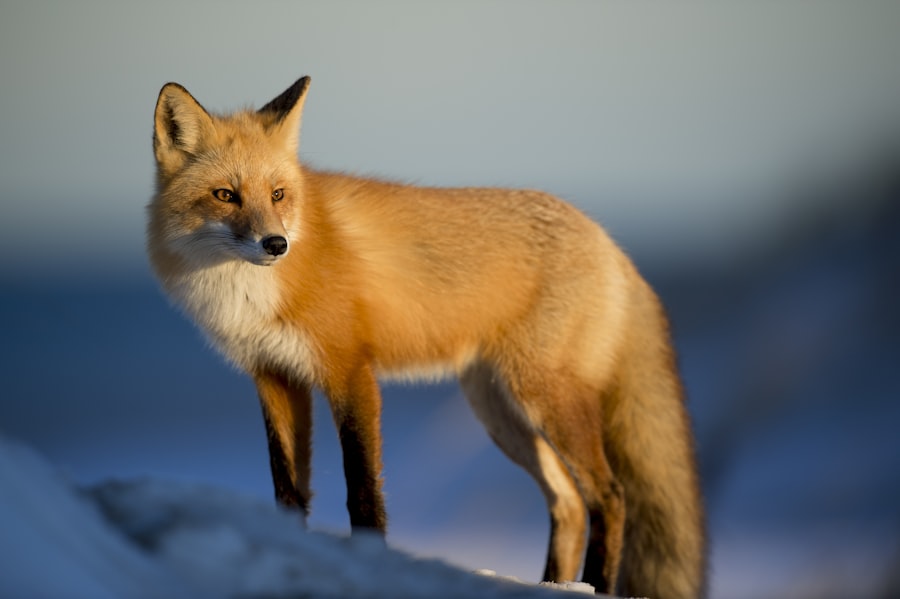
The barasingha (swamp deer) is only found in Kanha. Nearly extinct in the 1970s, now thriving at 1,000+ individuals. A herd in the Kanha Meadows at dawn is one of India's great wildlife sights.
💰 Budget Breakdown
Budget
₹8,000–12,000
per person
Comfortable
₹15,000–30,000
per person
* Budget plan assumes shared jeep (6 people), basic lodge, and own food arrangement. Comfortable plan assumes full-board luxury resort with private jeep. Entry fees are per person per safari.
Where to Stay in Kanha National Park
Compare prices · Free cancellation on most rooms
Tours & Activities in Kanha National Park
Skip the queue · Instant confirmation · Free cancellation
Affiliate links — we earn a small commission at no extra cost to you. Helps keep our guides free.
❌ Mistakes to Avoid
Not booking safari jeeps 60 days in advance
The government portal (mpecotourism.in) opens bookings 60 days ahead. Core zone jeeps sell out weeks in advance in peak season. Book the moment your dates are confirmed.
Talking loudly on safari
Tigers detect human noise from 300m. Loud conversation is the single biggest reason for missed sightings. Keep voices low, turn off ringtones, and resist shouting when you spot something. Use hand signals.
Wearing bright colors
Avoid red, white, orange, or any bright color. Khaki, olive, and beige only. Animals respond to visual contrast — you're trying to disappear. Strong perfume or deodorant also disturbs wildlife.
Skipping the morning safari for an extra hour of sleep
The 5:30 AM safari is the most productive. Tigers are returning from nighttime hunts, the light is extraordinary, and the animals are active. Missing it for sleep is the most common and most regretted mistake.
Expecting a guaranteed tiger sighting
Tiger sightings are 60–70% probability per safari in peak season — not a guarantee. Go for the entire ecosystem: barasingha, wild dogs, leopards, birds. Kanha is magnificent even without a tiger.
Not tipping your naturalist and driver
Your jeep driver and naturalist work long hours in difficult conditions for modest salaries. ₹200–500 per person per safari is the norm and is deeply appreciated. Budget for it.
💡 Pro Tips
Book Safari Jeeps 60 Days Ahead
Book at mpecotourism.in — the government portal. The Central Zone jeeps sell out 2 months ahead in peak season (Nov–Feb). Core Zone slots are more limited than the buffer zones.
Morning Safari is Superior
The 5:30–11 AM safari is when tigers are most active and light is beautiful. The afternoon safari (3–6 PM) catches the golden hour but tiger sightings drop. In winter, morning light is extraordinary.
Barasingha: Kanha's Rare Deer
The barasingha (swamp deer) is only found in Kanha — it was nearly extinct in the 1970s and is now thriving thanks to Project Kanha. A herd of 1,000 is a spectacular sight in the Kanha Meadows.
What to Wear on Safari
Muted colors only — khaki, olive, beige. Avoid bright red, white, or orange. Layers are essential in winter (November–January: 8–12°C mornings). No perfume or strong deodorant.
Silence Increases Tiger Sightings
Tigers detect human noise from 300m. Keep voices low, turn off phone ringtones, and resist the urge to shout when you spot something. Your naturalist will signal.
Where to Stay Near Kanha
Budget: MP Tourism's Baghira Log Huts (₹1,500–2,500). Mid-range: Kings Lodge, Tuli Tiger Corridor. Luxury: Singinawa Jungle Lodge, Tiger Trail Resort. Stay near Khatia Gate for best zone access.
Want This Planned for You?
Tell us your dates and group — we'll arrange safari bookings, resort, and transfers for your Kanha trip within 24 hours. Free.
❓ Frequently Asked Questions
Kanha National Park — Highlights
The best of Kanha National Park in photos.
📸
Kanha National Park Landscape
Kanha National Park Landscape
The stunning landscapes of Kanha National Park.
Explore More Wildlife Reserves
Nearby & Related


Questions & Comments
Been there? Planning a trip? Drop it below — we reply to everything.
Have you visited this destination?
Any tips you'd add to this guide?
Questions before your trip?
Want a personalised itinerary?
We'll build your day-by-day plan in 24 hours — free.