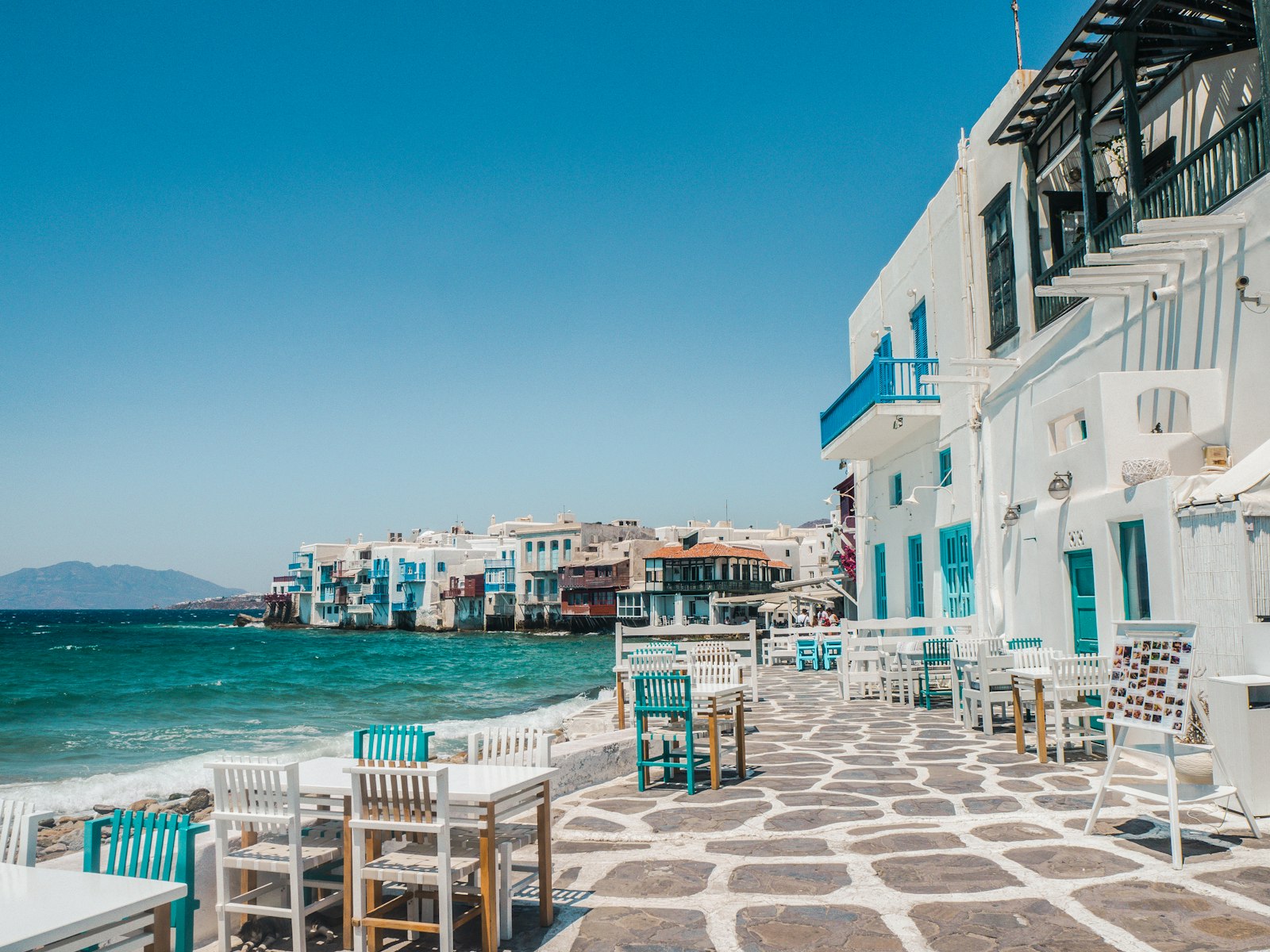
Crete in 5 Days: Knossos, Samaria Gorge & the Pink Sand Lagoon
Greece's largest island — the palace of the Minotaur, Europe's longest gorge, a beach with naturally pink sand, and a lamb slow-cooked since dawn. The complete guide.

Delhi · Visited: Kedarnath, Gangotri, Manali, Shimla, Rishikesh & more · April 2026 · 14 min read
Greece's largest island has the palace of the Minotaur at Knossos, Europe's longest gorge at Samaria, a beach with naturally pink sand at Balos Lagoon, and a lamb slow-cooked since dawn that arrives at your table at 2pm. Crete is what Greece was before mass tourism — raw, beautiful, and extraordinarily hospitable.
⚡ What Crete Actually Is
Crete is not just a beach destination. It is the birthplace of one of Europe's oldest civilisations — the Minoans, who built the palace at Knossos around 1700 BC, developed a writing system (Linear A, still undeciphered), and traded across the Mediterranean world long before classical Greece existed. The island is larger than most people expect: 260km from end to end, with a spine of mountains that rises to 2,456m and creates entirely different landscapes between the northern coast (developed, accessible) and the southern coast (remote, roadless in places, facing the Libyan Sea).
Western Crete — Chania and Rethymnon — is where most independent travellers spend their time, and for good reason. The old town of Chania is one of the most beautiful in all of Greece: a Venetian harbour, Ottoman mosques, narrow stone lanes, and the best food on the island. The Samaria Gorge, starting from the Omalos plateau and descending 16km to the Libyan Sea, is Europe's longest and one of its most dramatic gorges. Balos Lagoon on the northwestern tip is genuinely one of the most beautiful beaches in the Mediterranean.
Eastern Crete — Heraklion, Agios Nikolaos, Elounda — has the archaeology (Knossos, Phaistos, Gortyn) and the luxury hotels. Most travellers do a loop: arrive Heraklion, see Knossos, drive west to Chania, do the gorge and beaches, return via Rethymnon. A car is not optional — it is the difference between a good trip and an extraordinary one.
HER (Heraklion)
Main Airport
May–Jun, Sep–Oct
Best Season
Knossos 1700 BC
Minoan Palace
€50/day
Budget From
🌡️ Best Time to Visit Crete
May–Jun — Shoulder Season — Ideal
Recommended
20–26°C, wildflowers on the mountain roads, the Samaria Gorge open and not yet crowded. Sea temperature reaches 20–22°C by June — swimmable. The best balance of weather, crowd levels, and prices. May is particularly good for the gorge and mountain drives.
Sep–Oct — Shoulder Season — Also Ideal
Recommended
24–28°C in September, cooling to 20°C by late October. The sea is at its warmest (24–26°C in September). Crowds thin dramatically after mid-September. The Samaria Gorge closes in mid-October — check before you go. October sees occasional rain but dramatic light.
Jul–Aug — Peak Summer — Popular but Crowded
Crowded, plan carefully
28–34°C. The Samaria Gorge sees 4,000+ visitors daily — it becomes a slow queue. Balos Lagoon is packed from 11am. Prices peak, accommodation books out weeks in advance. Still doable with very early starts and beach afternoons, but the island is working hard to accommodate everyone.
Nov–Apr — Off-Season — Quiet but Limited
For archaeology fans
Many beach tavernas and tourist facilities close November through March. The Samaria Gorge is closed (reopens April–October). Mountain roads can be snowbound. However, Chania's old town is beautiful in winter, Knossos is crowd-free, and accommodation prices drop significantly. Good for archaeology, not for beaches.
✈️ Getting to Crete
Key detail: Crete has two main airports — Heraklion Nikos Kazantzakis (HER) in the east and Chania Ioannis Daskalogiannis (CHQ) in the west. For the western Crete itinerary in this guide, fly into Heraklion and out of Chania (or vice versa) to avoid backtracking.
Direct Charter Flights from Europe (recommended)
Best option from EuropeIn summer, there are direct flights from London, Amsterdam, Berlin, Stockholm, Paris, and most major European cities to both HER and CHQ. Ryanair, easyJet, and TUI operate extensively. From UK: 3.5–4 hrs. From Germany/Netherlands: 3–3.5 hrs. Book 6–8 weeks ahead for summer to get reasonable fares.
Via Athens (Olympic Air / Aegean)
Good connectionAthens (ATH) to Heraklion (HER): 45 mins, ~€60–€120 return. Athens to Chania (CHQ): 50 mins. Athens has excellent connections from all European cities and many long-haul destinations. The connection adds 2–3 hours but gives more scheduling flexibility.
Ferry from Athens (Piraeus Port)
Scenic overnight optionOvernight ferries from Piraeus to Heraklion: 9 hrs, depart ~9pm, arrive ~6am. Comfortable cabins available (€40–€80 per person). ANEK Lines and Minoan Lines operate. A romantic option that saves a night's accommodation — pack a good book for the crossing.
From India
Via Athens hubNo direct flights from India to Crete. Fly to Athens via Emirates (Dubai), Etihad (Abu Dhabi), Qatar Airways (Doha), or Air India (London/Frankfurt) then connect to HER or CHQ. Total travel time from major Indian cities: 12–16 hrs including connection. A Schengen visa is required for Indian passport holders — apply at the Greek consulate, €80 fee, 15–45 days processing.
📅 5-Day Crete Itinerary
Each day card is expandable. The itinerary moves west-to-east, starting in Heraklion and ending near Chania. All costs in EUR. A rental car is assumed from Day 2 — it is not optional for this route.
- ●Arrive Heraklion. Check in to a guesthouse or budget hotel near the city centre (€25–40/night). Pick up your rental car the following morning — today use the bus or taxi.
- ●10:00am — Knossos Palace (€15 entry, or €23 combined with the Archaeological Museum). The Minoan palace complex dates to around 1700 BC — throne room, frescoed corridors, the legendary labyrinth layout, and reconstructions by Sir Arthur Evans that remain controversial. Europe's oldest city. Budget 2–3 hours. Go before 11am to avoid the tour group rush.
- ●1:00pm — Lunch in Heraklion: a proper Cretan spread of dakos barley rusk salad, fresh graviera cheese, stuffed vine leaves and olives at a traditional mezedopoleio near the market. €12–15.
- ●3:00pm — Heraklion Archaeological Museum (€10 or combined ticket). The finest collection of Minoan art in the world: the Bull-Leaping Fresco, the Phaistos Disc, the faience Snake Goddess figurines. Small but extraordinarily dense — allow 2 hours.
- ●6:00pm — Walk the Venetian harbour of Heraklion and the Koules fortress (€4). The old city walls are some of the finest Venetian fortifications in the Mediterranean.
- ●8:00pm — Dinner in the old town: fresh fish at a harbour-front taverna or grilled lamb chops with village wine. €18–25.
- ●Pick up your rental car. International driving licence not required for most European car hire companies when using an Indian licence. Book in advance in summer — €25–35/day with basic insurance.
- ●9:00am — Drive west along the E75 coastal highway towards Rethymnon (1.5 hrs). Stop at Bali beach village en route for a coffee above the three small coves.
- ●11:00am — Rethymnon old town: the finest Venetian harbour in Crete, with a lighthouse at the harbour mouth that has become the city's symbol. Walk the narrow lanes of the old quarter — Neratze Mosque (now a concert hall), the Rimondi Fountain, and the partially intact old city walls. Budget 2 hours.
- ●1:00pm — Lunch at a Rethymnon harbour taverna: fresh mussels, calamari, and the local raki spirit. €14–18.
- ●3:00pm — Continue west to Chania (1 hr). Check in to accommodation in or near the old town (€35–55 for a guesthouse, €80–120 for a boutique hotel inside the Venetian quarter).
- ●6:00pm — Walk Chania's old Venetian harbour — the most beautiful harbour in Crete and arguably in Greece. The lighthouse, the Egyptian Mosque, the covered market, and the maze of the old town lanes. Sunset from the harbour mouth.
- ●8:30pm — Dinner in Chania's old town: swordfish steak or lamb kleftiko at a rooftop restaurant. €20–28.
- ●5:30am — Set your alarm. Take the early KTEL bus from Chania to Omalos (€7, departs ~6:15am). Or drive your rental car to the Xyloskalo (gorge entrance), 42km south of Chania — but arrange a taxi or bus back as the gorge is one-way.
- ●7:30am — Enter Samaria Gorge (€5 entry). 16km mostly downhill, 6–7 hours total. Europe's longest gorge, cutting through the White Mountains (Lefka Ori). The narrowest point — the Iron Gates — is just 3.5 metres wide with 300-metre sheer walls pressing in on both sides. One of the great walks of Europe.
- ●Practical notes: wear proper walking shoes (not sandals — the terrain is rocky), carry at least 2 litres of water (refill at the spring at km 7), start early to beat the heat and the crowds. The descent is manageable for fit walkers aged 8+. Do not attempt in July or August without an early start.
- ●2:00pm — Emerge at Agia Roumeli village on the Libyan Sea. This tiny village (accessible only by boat or on foot) has three tavernas serving freshly grilled octopus, fish, and cold beer. Swim in the crystal-clear Libyan Sea. Celebrate finishing the gorge.
- ●5:00pm — Ferry from Agia Roumeli to Hora Sfakion (€15, last boat usually around 5:30pm — confirm times at the gorge entrance). The half-hour boat ride hugs the dramatic Sfakian coast.
- ●6:30pm — Bus back to Chania from Hora Sfakion (€8). Or stay overnight in Sfakia — small harbour hotels from €35, extraordinarily fresh fish at the waterfront tavernas.
- ●8:00am — Drive from Chania towards Kissamos (45 min). Take the unpaved road up to the Gramvousa peninsula viewpoint, then hike 1.5km down to Balos Lagoon. The road is rough but passable in a standard car in dry season. Or take the boat from Kissamos port (€20 return, departs 10am — easier but you arrive with 200 other people).
- ●9:30am — Balos Lagoon: the most photographed beach in Crete. A shallow turquoise lagoon with pink-white sand formed from crushed shells and pink coral. Flamingos visible in shoulder season. The water is ankle-deep for 100 metres — a natural paddling pool. Go early (before 11am) to have it almost to yourself.
- ●11:30am — Walk up to the Gramvousa island ruins (Venetian castle ruins on the rocky headland above the lagoon) for panoramic views.
- ●1:30pm — Drive south to Falasarna beach (30 min): a vast west-facing arc of golden sand with serious surf waves — completely different character from the calm lagoon. Best beach for swimming in the afternoon when the western sun is behind you.
- ●4:00pm — Return to Chania. Wander the old market (Agora) and buy Cretan thyme honey, olive oil, and herbs to take home.
- ●Evening: Dinner at Tamam restaurant in Chania (old town, in a converted Ottoman bath) — one of the best creative Cretan menus on the island. Book ahead. €22–30.
- ●This is a flexible day depending on your flight time. If flying from CHQ (Chania), use the morning for a final Chania wander. If flying from HER (Heraklion), drive east and visit Spinalonga or Phaistos en route.
- ●Option A — Spinalonga Island (east Crete, 2 hrs from Chania): take the boat from Elounda or Plaka to the island fortress (€15 return). Spinalonga was Europe's last active leper colony, only closed in 1957. The walk through the Venetian-era fortress and the lepers' settlement is unexpectedly moving. The island is tiny but requires 2 hours to do justice.
- ●Option B — Phaistos Minoan Site (south-central Crete, 1 hr from Heraklion): the second-largest Minoan palace, sitting on a ridge with views of the Messara plain and Mount Ida. Far less restored than Knossos — you see the raw archaeology. Entry €8. Much fewer crowds than Knossos. Where the Phaistos Disc was found in 1908.
- ●Option C — Elafonisi Pink Sand Beach (southwest Crete, 1.5 hrs from Chania): the other famous pink-sand beach. Elafonisi is an island you wade to across a knee-deep turquoise channel. Pink sand from broken seashells and red algae. Can combine with Balos on Day 4 if you start very early.
- ●Lunch: a final Cretan meal — loukoumades (honey-drenched doughnuts) from a street stall, or a grilled fish at a harbour taverna. €10–18.
- ●Drive to your departure airport. Return rental car. HER Heraklion airport has good duty-free for Cretan products.
Free · Personalised · 24hr Reply
Want this Crete plan customised for your dates?
Tell us your group size, budget, and travel dates. We'll build a day-by-day plan around you — completely free.
No account · No credit card · Takes 2 minutes
🏛️ Crete Landmark Guide
The most important sites in priority order. Entry fees as of 2026. The combined Knossos + Archaeological Museum ticket (€23) is the best-value purchase in Crete.
Knossos Palace
Europe's oldest city, seat of the Minoan civilisation, probable origin of the Minotaur myth. Sir Arthur Evans' reconstructions (painted concrete pillars, restored frescoes) are controversial but make the site comprehensible. The throne room and storage magazines are genuinely awe-inspiring. Go before 10am in summer.
Chania Old Town & Venetian Harbour
The most beautiful harbour in Crete — Venetian sea walls, a working 16th-century lighthouse, Ottoman-era mosques, and a covered Venetian market (Agora). The narrow lanes of the old town (Topanas district) have the island's best restaurants and boutique hotels. Most photogenic at dawn and dusk.
Samaria Gorge
16km one-way hike through Europe's longest gorge, in the White Mountains of western Crete. The Iron Gates section (3.5m wide, 300m high walls) is the highlight. Open approximately April to mid-October — check conditions before going. 6–7 hours total. Start from Omalos (north end), finish at Agia Roumeli (south).
Balos Lagoon
Northwestern tip of Crete — a shallow turquoise lagoon with pink-white sand and the ruins of a Venetian fort on Gramvousa island above. Reachable by 1.5km hike from the car park or by boat from Kissamos. Arrive before 10am or after 4pm to beat the crowds. Open year-round but boat service seasonal.
Rethymnon Venetian Harbour
The best-preserved Venetian harbour in Crete, with a working lighthouse at the entrance, 16th-century fortezza (fort) above the town, and a tangle of Ottoman and Venetian lanes in the old city. Less touristy than Chania. The evening promenade along the harbour front is one of the island's pleasures.
Spinalonga Island
A Venetian island fortress in the Gulf of Elounda that was used as a leper colony until 1957 — the last in Europe. Accessible by boat from Elounda or Plaka. The walk through the intact village is unexpectedly moving. Featured in Victoria Hislop's novel The Island. Essential for east Crete.
Phaistos Minoan Palace
The second-largest Minoan palace, south-central Crete. Less reconstructed than Knossos — raw archaeology on a ridge with views of Mount Ida. Where the famous undeciphered Phaistos Disc was found in 1908. Far fewer crowds than Knossos. Combine with Matala beach (15 min) for a full day.
Elafonisi Beach
Southwestern Crete — a lagoon island reached by wading across a knee-deep channel. Famous for pink sand (from crushed shells and red Posidonia algae) and extraordinarily clear shallow water. Gets very crowded in July–August. Arrive before 10am. 1.5 hrs from Chania.
Crete — Gorges, Lagoons & Minoan Ruins
Five extraordinary places on Greece's largest island.
📸
Balos Lagoon
Balos Lagoon
The shallow pink-white lagoon at Balos — Crete's most iconic image and one of the Mediterranean's most beautiful beaches.
💰 Budget Breakdown
All prices in EUR. The biggest single cost is accommodation — Crete prices vary enormously between budget guesthouses (€25–40) and boutique hotels in Chania's old town (€100–180). Car rental is €25–35/day and is non-negotiable for this route.
| Category | Budget | Mid-Range | Luxury |
|---|---|---|---|
| ✈️ Flights (return, Europe) | €80–180 | €150–300 | €300–600 |
| 🏨 Accommodation (4 nights) | €100–160 | €320–600 | €800–2,400 |
| 🚗 Car rental (4 days) | €100–140 | €140–200 | €200–400 |
| 🏛️ Entry fees (5 days) | €50–70 | €70–100 | €100–150 |
| 🍽️ Food (5 days) | €75–125 | €175–300 | €400–800 |
| ⛵ Boats + misc transport | €40–60 | €60–150 | €300–600 |
| TOTAL (per person) | €445–735 | €915–1,650 | €2,100–4,950 |
💚 Budget (€50–80/day)
Hostels and budget guesthouses (€20–35/night), eating at local tavernas (dakos, grilled fish, gyros), KTEL buses for the gorge. Very comfortable — Crete has good budget infrastructure.
🌟 Mid-Range (€150–250/day)
Boutique hotels in Chania's old town (€80–130/night), dining at places like Tamam and To Maridaki, private guide for Knossos, boat to Balos. The sweet spot for Crete.
💎 Luxury (€400+/day)
Blue Palace Resort Elounda, Amirandes Grecotel, or Daios Cove. Private yacht to Balos and Gramvousa. Private archaeologist for Knossos. Helicopter transfer Heraklion–Chania.
Get the free travel guide
+ weekly destination tips
Download the Rajasthan 7-Day Guide instantly — day-by-day itinerary, real budgets, local food spots & packing list. Plus weekly guides from 2,400+ travellers' favourite destinations.
No spam, ever. Unsubscribe with one click.
🏨 Where to Stay in Crete
Base yourself in Chania for the western itinerary. It's the most beautiful base, has the best food, and is 45 minutes from Samaria Gorge and 1 hour from Balos. Heraklion is good for one night (Knossos) but not a comfortable base for exploration.
Chania Old Town (Venetian Quarter)
Boutique hotels · Best base for western Crete
Stay inside the Venetian old town if you can. Several beautifully converted stone mansions operate as boutique hotels — thick walls, arched ceilings, rooftop terraces above the harbour. Within walking distance of the best restaurants and the covered market. Fills quickly in summer.
Elounda (East Crete)
Luxury resort · Gulf of Elounda
The Blue Palace Resort, Daios Cove, and Amirandes Grecotel are among the finest luxury hotels in Greece — infinity pools over the Aegean, private beaches, and boat excursions to Spinalonga. East Crete has a completely different, more low-key character than the west.
Rethymnon Old Town
Mid-range · Central location
Rethymnon's Venetian old town is less visited than Chania's and slightly cheaper. Good base if you're doing a Crete loop and want to avoid the most tourist-heavy areas. Excellent local tavernas and a beautiful harbour.
Heraklion City
Budget-mid · Near airports and archaeology
Stay one night in Heraklion on arrival to see Knossos and the Archaeological Museum, then move west. The city is practical rather than charming — good value hotels, easy airport access, convenient for a Knossos morning and departure day.
🍽️ Where to Eat in Crete
Cretan cuisine is one of the great regional Mediterranean kitchens — the original Mediterranean diet. Olive oil in everything, local cheeses (graviera, anthotyros, mizithra), slow-cooked lamb, and vegetables from small farms. Eat late: Cretans sit down for dinner between 9pm and 11pm.
Dakos — Cretan Barley Rusk Salad
Local staple · Order everywhere
The defining Cretan dish: a large barley rusk (paximadi) soaked briefly in water, topped with grated fresh tomato, crumbled mizithra or feta, Cretan olive oil, dried oregano, and sometimes olives or capers. Order it as your starter at every taverna. €5–7. The best ones use home-made rusks.
Lamb Kleftiko
Slow-roasted lamb · Traditional Sunday dish
Lamb leg slow-roasted in a sealed clay pot or wood oven for 4–6 hours with garlic, lemon, herbs, and white wine. The meat falls off the bone. Best ordered 24 hours in advance at the traditional village restaurants. In mountain villages, look for the ones where locals are eating. €15–20.
Fresh Octopus
Harbour tavernas · Best after the gorge
Grilled octopus dried in the sun and charcoal-grilled over wood is one of the finest things you will eat in Greece. Order it at the harbour front tavernas in Hora Sfakion (after the gorge), Agia Roumeli, or Chania. The octopus should be tender, not chewy — a sign of good technique. €12–16.
Loukoumades
Street food · Honey doughnuts
Crisp, light dough fritters fried to order and soaked in Cretan thyme honey with cinnamon — the Greek doughnut. Street stalls and dedicated loukoumades shops in Heraklion and Chania serve them piping hot for €3–4 for a portion. The one essential Cretan street food.
Local Wine & Raki
Village restaurants · Free digestif
Crete has its own wine appellation producing excellent reds (Kotsifali grape) and whites (Vilana, Thrapsathiri). Order the house wine at village restaurants — usually poured from the barrel, good quality, €3–4 per half litre. Raki (tsikoudia) is Crete's spirit — clear, fiery, made from grape pomace. Every taverna brings it to your table for free at the end of the meal.
Where to Stay in Crete Greece
Verified prices · Instant booking
Blue Palace Resort Elounda
Luxury · Infinity pools over the Aegean
Amirandes Grecotel
Luxury · Private beach · East Crete
Casa Delfino Chania
Boutique · Venetian mansion · Old town
Amphora Hotel Chania
Mid-range · Venetian harbour views
Affiliate links — we earn a small commission at no extra cost to you. Helps keep our guides free.
Things to Do in Crete Greece
Tours & experiences · Instant confirmation
Samaria Gorge Guided Hike
Most popularKnossos Palace Private Tour
Best for historyBalos Lagoon Boat Trip
IconicCretan Cooking Class
Affiliate links — we earn a small commission at no extra cost to you.
❌ Mistakes to Avoid in Crete
Not Renting a Car
Balos Lagoon, Samaria Gorge approach, mountain villages, Falasarna, Elafonisi, Phaistos — none of these are accessible by public transport on a flexible schedule. The bus to Omalos (gorge entrance) runs once a day in summer. A car (€25–35/day) is the single most important decision you make in Crete.
Underestimating Samaria Gorge
16km, 6–7 hours, mostly downhill on rocky terrain. The main issues are the length (people run out of energy at km 12), the heat in summer, and inadequate footwear. Wear walking shoes or trail runners — never sandals. Carry 2L of water minimum. Start before 8am.
Only Staying in Heraklion
Heraklion is good for exactly one day: Knossos in the morning, the Archaeological Museum in the afternoon. The beauty of Crete is in the west — Chania's old town, Rethymnon, Samaria, Balos. Stay 3+ nights in Chania and use it as your western base.
Doing Samaria in July–August Peak
4,000+ people enter the gorge daily in July–August. The narrow Iron Gates section becomes a slow-moving queue. The gorge is best in May–June and September–October: cooler, emptier, and more atmospheric. Summer gorge hikers get heat exhaustion at an alarming rate.
Arriving at Balos After 11am
The boat tours from Kissamos arrive at Balos between 11am and 1pm, filling the lagoon with 200+ people at once. Drive to the Gramvousa car park and hike down at 9am — you'll have Europe's most beautiful lagoon almost entirely to yourself for two hours.
Eating at the Tourist-Facing Harbour Restaurants
In Heraklion and Chania, the restaurants facing directly onto the waterfront often charge premium prices for mediocre food. Walk one street back. The quality jumps and the prices drop by 30%. Always look for the taverna where local Greeks are eating at 2pm.
💡 Pro Tips for Crete
Buy Thyme Honey Directly
Cretan thyme honey — bees feeding on wild mountain thyme — is considered among the finest honey in the world. Buy it directly from producers at the Chania market (Agora) or from village shops in the White Mountains. A 450g jar costs €8–12. The supermarket versions are inferior.
Knossos at 8am Opening
The site opens at 8am. Tour groups arrive from 10am onwards. Go at opening — you can have the throne room and the storage magazines almost to yourself for 90 minutes. The morning light on the reconstructed frescoes is also significantly better than midday.
Celebrate Finishing Samaria at Agia Roumeli
After the gorge emerges at the Libyan Sea, the village of Agia Roumeli (accessible only by boat or on foot) has three small tavernas. The freshly grilled octopus and cold Mythos beer after 16km of hiking is one of the great travel experiences in Greece. Eat here. Take your time.
Rent a Car on Day 2, Not Day 1
Day 1 (Heraklion) is walkable — Knossos is accessible by city bus (€1.50) and the Archaeological Museum is in the centre. Pick up your car on Day 2 morning before driving west. Parking in central Heraklion is expensive and the one-way system is confusing.
Drive the E75 via the Mountain Road
The old highway (pre-motorway) from Heraklion to Chania runs through the mountains via Rethymnon. It adds 30 minutes but passes through villages, olive groves, and gorge viewpoints that the modern motorway bypasses entirely. Worth doing on the westbound leg.
Accept the Free Raki
Every traditional Cretan taverna will bring raki (tsikoudia) to your table at the end of the meal — usually with a small dessert. This is genuine Cretan hospitality, not a tourist gesture. Accept it, drink slowly (it is strong — 40%), and use it as a reason to linger. Refusing it is mildly rude.
📸 Been to Crete?
Share your photos and get featured in this guide with full credit. Your real photos help thousands of travellers plan better trips.
❓ Frequently Asked Questions
Plan your Crete trip
You Might Also Like


Questions & Comments
Been there? Planning a trip? Drop it below — we reply to everything.
Have you visited this destination?
Any tips you'd add to this guide?
Questions before your trip?
Want a personalised itinerary?
We'll build your day-by-day plan in 24 hours — free.