Copenhagen in 3 Days: Nyhavn, Tivoli & Freetown Christiania
The world's most bicycle-friendly city, the world's happiest population, and three days that include Nyhavn at dawn, Tivoli at midnight, and a train to Sweden for lunch. Real DKK costs.
Delhi · Visited: Kedarnath, Gangotri, Manali, Shimla, Rishikesh & more · April 2026 · 14 min read
Copenhagen is the city that invented hygge — that untranslatable Danish concept of warmth, candles, good food, and contentment in the moment. Three days is enough to understand why Denmark tops the World Happiness Report year after year.
⚡ What Copenhagen Actually Is
Copenhagen is a compact, walkable, spectacularly bicycle-friendly capital of 794,000 people on the eastern coast of Zealand island. It is the cultural, economic, and design capital of Scandinavia — the city that gave the world New Nordic cuisine (Noma opened here in 2003), the Egg Chair, flat-pack furniture philosophy, and the concept of hygge as a serious cultural value rather than a marketing campaign.
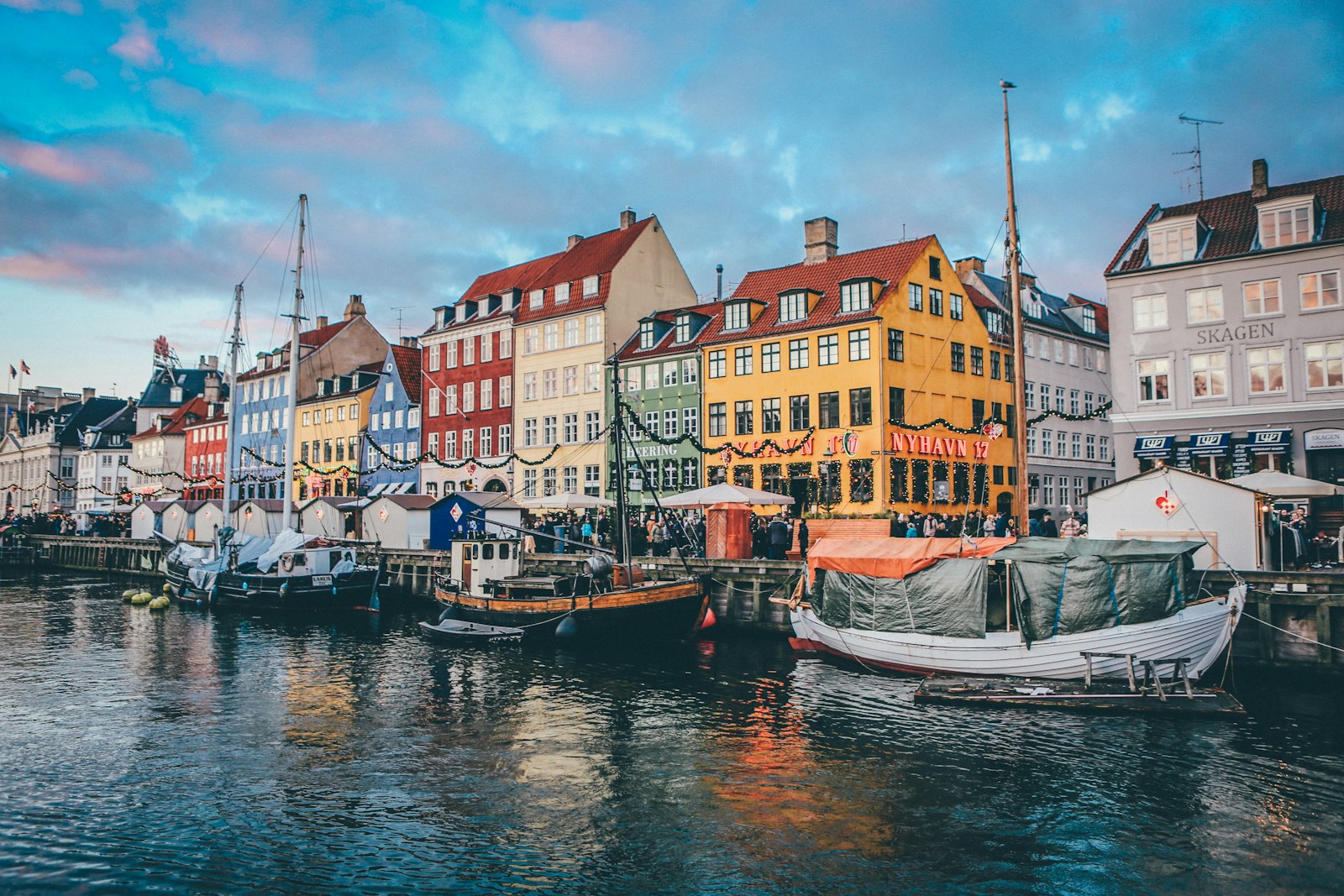
Nyhavn — the narrow 17th-century canal lined with yellow, pink, orange, and red townhouses — is Copenhagen's most photographed image. But it is just one of many extraordinary things compressed into a 90 km² city. Within cycling distance: a functioning 16th-century castle with Crown Jewels in the basement, Europe's oldest amusement park still operating, an 84-acre autonomous commune operating under self-governance since 1971, and one of the world's most beautiful modern art museums 45 minutes away by train.
Prices are higher than Southern Europe but comparable to Paris — budget travellers spending €70–110/day is realistic if you avoid the Nyhavn canal-front restaurants and buy groceries at Netto for breakfast. The Copenhagen Card (DKK 899 / €121 for 72 hours) covers all Metro and bus travel plus 80+ museums and pays for itself within 1.5 days.
CPH
Airport
May–Sep
Best Season
20+
Landmarks
€70/day
Budget From
🌡️ Best Time to Visit Copenhagen
May–Sep — Summer — Best Season
Recommended
15–22°C, long daylight hours (up to 17 hours in June), Tivoli Gardens open, canal boat tours running, outdoor café terraces packed. The city is at its most alive. June and August are peak months — book accommodation early. September is excellent: fewer crowds, still warm.
Apr & Oct — Shoulder — Good Value
Good value
8–14°C, quieter, cheaper hotels, and the city is still entirely functional. April sees Tivoli open for the season. October has Copenhagen's autumn colours in the Frederiksberg Gardens. A good choice if you want the experience without peak-season crowds and prices.
Nov–Jan — Winter — Cold but Magical
For Christmas season
2–6°C, dark by 4pm, but Tivoli opens for Christmas (mid-November to January 5). The Christmas market inside Tivoli is one of the best in Europe — mulled wine, fairy lights, and real hygge. Nyhavn in the snow is genuinely extraordinary. Dress in layers.
Feb–Mar — Late Winter — Avoid if Possible
Low season
1–5°C, short days, Tivoli closed, and Copenhagen at its greyest. The city is still fully functional and museums are uncrowded, but this is the hardest season to enjoy Copenhagen. Unless you specifically want a winter city break with no tourist crowds.
✈️ Getting to Copenhagen
Key detail: Copenhagen Airport (CPH / Kastrup) is one of Europe's most efficient airports — the Metro M2 connects the terminal directly to the city centre in 15 minutes for DKK 39 (€5.20). It runs 24 hours, 7 days a week, with no separate airport surcharge.
Metro from CPH Airport (recommended)
Best optionMetro M2 from Terminal 3 → Copenhagen Central (Kongens Nytorv or Nørreport): 15 minutes, DKK 39 / €5.20. The metro runs 24 hours and accepts contactless payment. The cheapest and fastest way to reach the city. Buy a city pass at the machine for multi-day use.
Flying from India (Delhi / Mumbai)
From IndiaDirect flights from Delhi to Copenhagen on SAS and Scandinavian-connecting carriers take 9–10 hours. From Mumbai: 10–11 hours with one stop (often via Amsterdam, Frankfurt, or Dubai). Return fares from India: ₹45,000–₹90,000 depending on season and airline. Book 6–8 weeks ahead for better fares.
Train from Germany / Hamburg
From EuropeHamburg → Copenhagen: 4.5 hours by train via the Fehmarnbelt route (or ferry crossing at Puttgarden–Rødby). Excellent option if combining Copenhagen with a Germany trip. The Øresund train from Copenhagen continues to Malmö (15 mins) and Gothenburg (3 hours) for Scandinavia rail trips.
Bus from Stockholm / Oslo
Budget travelFlixBus and Swebus operate Copenhagen–Stockholm (9 hours, from €25) and Copenhagen–Oslo (9 hours, from €30). Slower than flying but significantly cheaper and city-centre to city-centre. Good option for backpackers doing a Scandinavia loop.
📅 3-Day Copenhagen Itinerary
Each day card is expandable. Prices are shown in DKK and euros — Copenhagen is expensive by Southern European standards but very manageable with smart choices. All entries assume May–September visiting (Tivoli open, canal boats running).
- ●Arrive at CPH Airport. Take the Metro M2 to the city centre — DKK 39 / €5.20, 15 minutes. Runs 24 hours. Check in to your accommodation in Nørreport, Vesterbro, or near Central Station.
- ●Nyhavn canal — arrive before 9am for the definitive photograph. The row of 17th-century townhouses in yellow, pink, orange, and red reflected in the canal water with historic sailing vessels moored in front. By 8am the café terraces are being set up. By 10am the quayside is packed. At 6–7am it is entirely yours — and the morning light on the coloured facades is the best it will ever be.
- ●Amalienborg Palace — the winter home of the Danish royal family. The changing of the guard happens at noon daily and is free to watch. Four identical rococo palaces surround a cobbled octagonal courtyard. The view across to the Marble Church (Frederiks Kirke) dome behind is one of Copenhagen's finest architectural compositions.
- ●The Little Mermaid (Den lille Havfrue) — free. Walk 10 minutes north from Amalienborg along the harbour. The 1913 bronze statue by Edvard Eriksen is 1.25 metres tall and regularly vandalised. Go anyway — the waterfront walk there and back is lovely and the collective experience of expectation management is part of the story.
- ●Rosenborg Castle (DKK 130 / €17) — a 17th-century Dutch Renaissance palace in the King's Garden. The basement treasury holds the Danish Crown Jewels including the Christian IV crown (1596), the sceptre, and the orb. The palace interior is preserved as it was in 1700.
- ●Strøget pedestrian shopping street — 1.1km of shops from Rådhuspladsen to Kongens Nytorv. Danish design brands: Georg Jensen (silverware), Royal Copenhagen (porcelain), Illums Bolighus (home design). Window shopping is free. Budget DKK 800–2,000 if you intend to buy.
- ●Evening: rød pølse (hot dog) from a pølsevogn street cart — DKK 25–35 / €3–4.70. The Danish hot dog with remoulade, crunchy onions, and mustard on a warm bun is the national street food and the best value meal in the city.
- ●Freetown Christiania (Pusher Street) — free to enter, open all hours. The 84-acre autonomous commune established in 1971 when squatters occupied an abandoned military barracks near the city centre. Approximately 850 people live here under self-governance. Walk the commune freely — the murals, the DIY architecture built over 50 years, the lake, and the live music venues. Photography is strictly forbidden inside Pusher Street (the only rule that is truly enforced).
- ●Torvehallerne food market (Israels Plads, near Nørreport) — Copenhagen's covered market with 60+ stalls: fresh fish, smørrebrød vendors, coffee roasters, cheese, and the best smoked salmon sandwiches in the city. Buy lunch here — DKK 80–180 / €11–24 for a proper meal. This is where Copenhagen actually eats.
- ●Canal boat tour — DKK 89 / €12 for the 1-hour Netto-Bådene hop-on-hop-off water bus through Copenhagen's canals. Passes under 12 bridges, past the Opera House, the Royal Library Black Diamond, and Christianshavn. The cheapest and most informative way to see the city. Sit on the open upper deck.
- ●Christiansborg Palace — the home of the Danish Parliament, Supreme Court, and the Prime Minister's office, all on one island. The Royal Reception Rooms are open to visitors (DKK 110 / €15). The tower has the best panoramic view in all of Copenhagen — and it's free.
- ●Tivoli Gardens evening (DKK 169 / €23 entry, rides extra or DKK 399 / €53 with unlimited rides) — open May through late September. Come at 6pm when the 100,000 coloured lights switch on and the gardens transform. The world's oldest wooden roller coaster (Bjergbanen, 1914) is still running. Stay until midnight in summer — Tivoli at night is the best version.
- ●Option A — Malmö, Sweden (recommended): Take the regional train from Copenhagen Central to Malmö C — 15 minutes, DKK 105 / €14 return. You cross the Øresund Bridge — a 7.8km tunnel-island-bridge combination across the strait. No passport check within Schengen. Malmö's Gamla Stan old town, Stortorget square, the Malmöhus Castle (SEK 60 entry), and Santiago Calatrava's Turning Torso skyscraper. Back in Copenhagen by 4pm.
- ●Option B — Kronborg Castle, Helsingør: Shakespeare's Hamlet's castle, 45 minutes north by train (DKK 140 / €19 return, DKK 140 / €19 entry). UNESCO listed. The 16th-century fortress with cannon-lined ramparts looking across to Sweden, 2km away. The casemates beneath the castle hold a dormant statue of Holger Danske, the legendary Viking warrior who sleeps until Denmark needs him.
- ●Farewell smørrebrød — the open-faced Danish sandwich on dense rye bread is the national lunch. Aamanns Etablissement (Nørre Farimagsgade) or Schønnemann (Hauser Plads) serve the definitive versions: DKK 115–175 / €15–24 per piece. Traditional toppings: pickled herring, smoked salmon, roast beef with remoulade, egg with shrimp.
- ●Danish pastry (wienerbrød) — the correct kind has real butter laminated through the layers in the Austrian fashion brought to Denmark in the 19th century. Hart Bageri on Jægersborggade in Nørrebro and Juno the Bakery are Copenhagen's best. DKK 35–55 / €4.70–7.40 per pastry.
- ●Design Museum Denmark (DKK 145 / €19) — the definitive collection of Danish design: Arne Jacobsen's Egg Chair and Swan Chair, Hans Wegner's Wishbone Chair, the Poul Henningsen PH lamp. Danish design philosophy explained in context. Plan 1.5–2 hours.
Free · Personalised · 24hr Reply
Want this Copenhagen plan customised for your dates?
Tell us your group size, budget, and travel dates. We'll build a day-by-day plan around you — completely free.
No account · No credit card · Takes 2 minutes
🏰 Copenhagen Landmark Guide
The most important sites in priority order. Entry fees as of early 2026. The Copenhagen Card (DKK 899 / €121, 72 hours) covers most paid attractions and all public transport.
Nyhavn Canal
Copenhagen's most iconic image — the narrow 17th-century canal lined with coloured townhouses and historic sailing vessels. Best at 6–7am before crowds arrive. The canal-front restaurants are tourist-priced; eat elsewhere and come just for the atmosphere and photography.
Tivoli Gardens
The world's second-oldest amusement park, opened 1843. The gardens are beautiful in themselves — fountains, flowers, peacocks, music stages. At night, 100,000 coloured lights transform the atmosphere entirely. Open May–September and Christmas season. Come in the evening.
Rosenborg Castle
17th-century Dutch Renaissance castle in the King's Garden. The basement treasury holds the Crown Jewels — the Christian IV crown (1596), sceptre, orb, and coronation regalia. The palace interior is preserved as it was in 1700, with tapestries, furniture, and the throne room intact.
Freetown Christiania
84-acre autonomous commune since 1971 in the heart of Copenhagen. Walk the full commune beyond Pusher Street — the lake, the DIY architecture, the Great Hall concert venue, the Månefiskeren restaurant. One of Europe's most remarkable urban experiments, functioning within one of the world's most orderly cities.
Christiansborg Palace
The seat of Danish government — Parliament, Supreme Court, and Prime Minister on one island. The tower offers Copenhagen's best free panoramic view. The Royal Reception Rooms have the finest interiors in any Danish royal palace.
Louisiana Museum of Modern Art
45 minutes north of Copenhagen. One of the most beautiful art museums in the world: Alexander Calder mobiles, Giacometti sculptures, Francis Bacon triptychs, and a sculpture park overlooking the Øresund Strait toward Sweden. The architecture and landscape are inseparable.
The Little Mermaid
The 1913 bronze statue by Edvard Eriksen on a rock at the harbour edge — 1.25 metres tall, regularly vandalised, and smaller than every visitor expects. Go for the experience of collective expectation rather than the statue itself. The harbour walk to and from Amalienborg is lovely.
Copenhagen — Canals, Castles & Danish Design
Nyhavn, Tivoli, Christiania and the happiest city on earth.
📸
Nyhavn Canal at Golden Hour
Nyhavn Canal at Golden Hour
The 17th-century canal front that defines Copenhagen — coloured townhouses, historic sailing vessels, and the morning light that changes everything.
💰 Copenhagen Budget Breakdown
Copenhagen is expensive by Southern European standards — comparable to Paris, cheaper than Oslo. Budget travel is very doable with smart choices: avoid Nyhavn restaurants, use the Copenhagen Card, buy groceries at Netto or Lidl. All prices in DKK and euros.
| Category | Budget | Mid-Range | Luxury |
|---|---|---|---|
| 🏨 Accommodation / night | DKK 200–350 / €27–47 | DKK 980–1,500 / €131–200 | DKK 3,350–9,000 / €450–1,200 |
| 🍽️ Food / day | DKK 150–260 / €20–35 | DKK 450–750 / €60–100 | DKK 1,125–4,500 / €150–600 |
| 🚇 Transport / day | DKK 75–150 / €10–20 | DKK 150–225 / €20–30 | DKK 375–750 / €50–100 |
| 🏛️ Activities / day | DKK 150–300 / €20–40 | DKK 300–600 / €40–80 | DKK 750–2,250 / €100–300 |
| TOTAL / day | DKK 525–820 / €70–110 | DKK 1,500–2,625 / €200–350 | DKK 4,500–11,250 / €600–1,500+ |
💚 Budget (€70–110/day)
Stay in a hostel dorm (DKK 200–350/night), buy groceries from Netto for breakfast and lunch, eat one restaurant dinner. Use the Metro's 24-hour ticket (DKK 80). The Copenhagen Card pays for itself on day 2.
✨ Mid-Range (€200–350/day)
3-star hotel in Indre By or Frederiksberg (DKK 980–1,500/night), two restaurant meals per day, the Copenhagen Card covering all transport and museums. This is the comfortable, unhurried way to see Copenhagen.
💎 Luxury (€600–1,500+/day)
Hotel d'Angleterre or Nimb Hotel inside Tivoli (DKK 3,350–9,000/night), dinner at Geranium (3 Michelin stars, DKK 4,500 / €600/person with wine pairing), private guides and curator access.
Get the free travel guide
+ weekly destination tips
Download the Rajasthan 7-Day Guide instantly — day-by-day itinerary, real budgets, local food spots & packing list. Plus weekly guides from 2,400+ travellers' favourite destinations.
No spam, ever. Unsubscribe with one click.
🏨 Where to Stay in Copenhagen
Copenhagen's four best neighbourhoods for visitors are Nørreport (central, near Rosenborg), Vesterbro (hipster, good restaurants), Nørrebro (local, independent shops), and near Central Station (convenient, varied price range). The Metro M2 makes everywhere accessible.
Nørreport / Indre By
Central · Walking distance to everything
The inner city around Nørreport station is Copenhagen's most convenient base: walking distance to Rosenborg Castle, Torvehallerne market, Nyhavn (20 minutes on foot), and the Metro for everywhere else. Higher prices for the location, but no transport costs.
Vesterbro
Trendy · 10 mins from Central Station
Copenhagen's most dynamic neighbourhood — the old meatpacking district (Kødbyen) transformed into galleries, restaurants, and bars. Excellent independent restaurant scene, good hostel and mid-range hotel options. Central Station is 10 minutes on foot. Tivoli is next door.
Nørrebro
Local · Authentic Copenhagen life
The most genuinely local neighbourhood in Copenhagen — diverse, creative, and where younger Copenhageners actually live. Jægersborggade street has the best independent shops, Hart Bageri pastries, and the Assistens Cemetery (where Kierkegaard and HC Andersen are buried). Metro 15 minutes to the centre.
Near Copenhagen Central Station
Convenient · All transport links
Central Station (Hovedbanegården) connects to the Metro, all regional trains, the Airport Express, and buses to Germany and Sweden. Tivoli Gardens is directly across the street. Good for travellers arriving by train from Hamburg or continuing to Malmö. Wide range of price points.
🍽️ Where to Eat in Copenhagen
Copenhagen has the highest density of Michelin-starred restaurants per capita in the Nordic countries — but you don't need a reservation at Geranium to eat exceptionally well. The real Copenhagen food experiences are smørrebrød, hot dogs, Torvehallerne, and the noma-adjacent bistros that former staff opened after leaving the mothership.
Torvehallerne (Israels Plads)
Covered market · Nørreport
Copenhagen's definitive food market — 60+ stalls under two glass-roofed halls. Fresh smoked salmon on rye, Coffee Collective espresso (the best in Denmark), Danish cheese, charcuterie, and the smørrebrød vendors that Copenhageners themselves use for lunch. DKK 80–180 / €11–24 for a full meal. Arrive before 12:30pm on weekdays before the lunch rush.
Aamanns Etablissement
Modern smørrebrød · Nørre Farimagsgade
The definitive modern smørrebrød restaurant. Adam Aamann elevated the open-faced sandwich from lunchtime staple to high cuisine — pickled herring with mustard seeds, smoked duck with plum, fried plaice with remoulade. DKK 115–175 / €15–24 per piece. Three pieces make a proper lunch. Book ahead for the tasting menu.
Pølsevogn Hot Dog Carts
Street food · Citywide
The Danish hot dog (rød pølse) from a pølsevogn street cart is the most democratic meal in Copenhagen — DKK 25–35 / €3–4.70 for a soft bun with a steamed sausage, remoulade, mustard, crunchy fried onions, and cucumber slices. Find carts outside Central Station, on Strøget, and near Tivoli. Do not skip this.
Bror (Sankt Peders Stræde)
Noma-alumni · Mid-range fine dining
Run by former Noma chefs Victor Wagman and Johan Rønnow, Bror serves precise, seasonal Nordic cooking at mid-range prices. The tasting menu is DKK 500–750 / €67–100 — a fraction of Noma's price for food of similar intellectual seriousness. Book 1–2 weeks ahead.
Schønnemann (Hauser Plads)
Traditional smørrebrød · Since 1877
Copenhagen's oldest smørrebrød restaurant — operating continuously since 1877. The room is panelled dark wood with white tablecloths. The herring, the beef tartare with egg yolk, and the fried plaice are the classics. Lunch only, Monday–Friday. DKK 130–200 / €17–27 per piece. Book a week ahead.
Where to Stay in Copenhagen Denmark
Verified prices · Instant booking
Hotel d'Angleterre
Grand luxury · Kongens Nytorv
Nimb Hotel
Luxury · Inside Tivoli Gardens
Hotel Skt. Petri
Design hotel · Latin Quarter
Generator Copenhagen
Design hostel · Adelgade
Affiliate links — we earn a small commission at no extra cost to you. Helps keep our guides free.
Things to Do in Copenhagen Denmark
Tours & experiences · Instant confirmation
Copenhagen City Walking Tour
Most popularNyhavn Canal Boat Tour
Best valueCopenhagen Bike Rental + City Tour
Kronborg Castle Hamlet Tour
Affiliate links — we earn a small commission at no extra cost to you.
❌ Mistakes to Avoid in Copenhagen
Eating at Nyhavn Canalfront Restaurants
The restaurants that line Nyhavn are among the most expensive and least authentic in Copenhagen — tourist markup of 2–3x standard prices. A smørrebrød here costs DKK 200–350 / €27–47 for the same dish that costs DKK 115–175 / €15–24 three blocks away. Walk 5 minutes: Aamanns Etablissement (Nørre Farimagsgade), Schønnemann (Hauser Plads), and Torvehallerne are the correct choices.
Not Renting a Bicycle
Copenhagen has 390km of dedicated bike lanes and traffic lights timed to cycling speed. 62% of residents cycle to work every day. Renting a bike (DKK 139 / €19/day) transforms Copenhagen from a city you walk around to one you feel part of. Cycling along Nørrebrogade, to Amager beach, through Frederiksberg Gardens, and across the bridges reaches a Copenhagen tour buses never see.
Skipping Freetown Christiania
Many visitors skip Christiania as uncomfortable or edgy. This is a mistake. The 84-acre commune is one of Europe's most remarkable urban experiments — self-governing since 1971 within one of the world's most orderly cities. Walk the lake path, see the DIY architecture, visit the Great Hall, eat at Månefiskeren. Yes, Pusher Street is there, but the rest of Christiania is open, beautiful, and entirely unusual.
Not Booking Michelin Restaurants Months Ahead
Geranium (3 Michelin stars) and Noma release reservations exactly 90 days in advance. Alchemist requires booking 3–4 months ahead. If a Michelin dinner is part of your Copenhagen plan, set calendar reminders and be on the reservation platform at the exact release time. Walk-in is not an option at these restaurants.
💡 Pro Tips for Copenhagen
Nyhavn at 6am — The Empty Canal
Nyhavn is photographed at all hours but the undisputed best time is 6–7am on a weekday. The canal is still, the coloured facades catch direct morning light, the boats are unmoved, and there are no tourists. By 8am the café terraces are being set up. By 10am the quayside is packed. Set your alarm once — it is a completely different place.
Tivoli After 6pm — When the Lights Come On
Tivoli is open from noon but the correct time to visit is from 6pm when the 100,000 coloured lights switch on. The fountains illuminate, the music stages fill, and the atmosphere becomes genuinely magical. Entry is the same price at noon or 8pm — come late, stay until midnight.
Canal Boat Tour — DKK 89 for the Best Hour in Copenhagen
The Netto-Bådene harbour bus (DKK 89 / €12, May–September) is Copenhagen's best budget experience: a 1-hour loop through the city's canals past the Opera House, the Royal Library Black Diamond, Christianshavn, and Nyhavn from the water. Sit on the open upper deck. No commentary — just the city at water level.
Take the 15-Minute Train to Sweden
The regional train from Copenhagen Central to Malmö, Sweden costs DKK 105 / €14 return and takes 15 minutes across the Øresund Bridge. No passport check within Schengen. You have lunch in another country and are back by 4pm. This is one of travel's genuine freebies — a different country on your Copenhagen ticket.
Copenhagen Card — Worth It from Day 1.5
The Copenhagen Card (DKK 899 / €121, 72 hours) covers all Metro and bus travel plus 80+ attractions including Rosenborg Castle, the National Museum, Ny Carlsberg Glyptotek, and most museums. It pays for itself within 1.5 days of mid-range sightseeing. Don't buy it for a one-day visit — buy a 24-hour transport ticket instead (DKK 80 / €11).
Swim in Copenhagen Harbour — It's Legal and Clean
Copenhagen Harbour has been clean enough to swim in since 2002 — a remarkable feat of environmental restoration. The Islands Brygge Harbour Bath (free, open June–September) has five pools in the harbour. Copenhageners swim here in the city centre on lunch breaks. One of the most surprising things you can do in any European capital.
📸 Been to Copenhagen?
Share your photos and get featured in this guide with full credit. Your real photos help thousands of travellers plan better trips.
❓ Frequently Asked Questions
Plan your Copenhagen trip
You Might Also Like


Questions & Comments
Been there? Planning a trip? Drop it below — we reply to everything.
Have you visited this destination?
Any tips you'd add to this guide?
Questions before your trip?
Want a personalised itinerary?
We'll build your day-by-day plan in 24 hours — free.