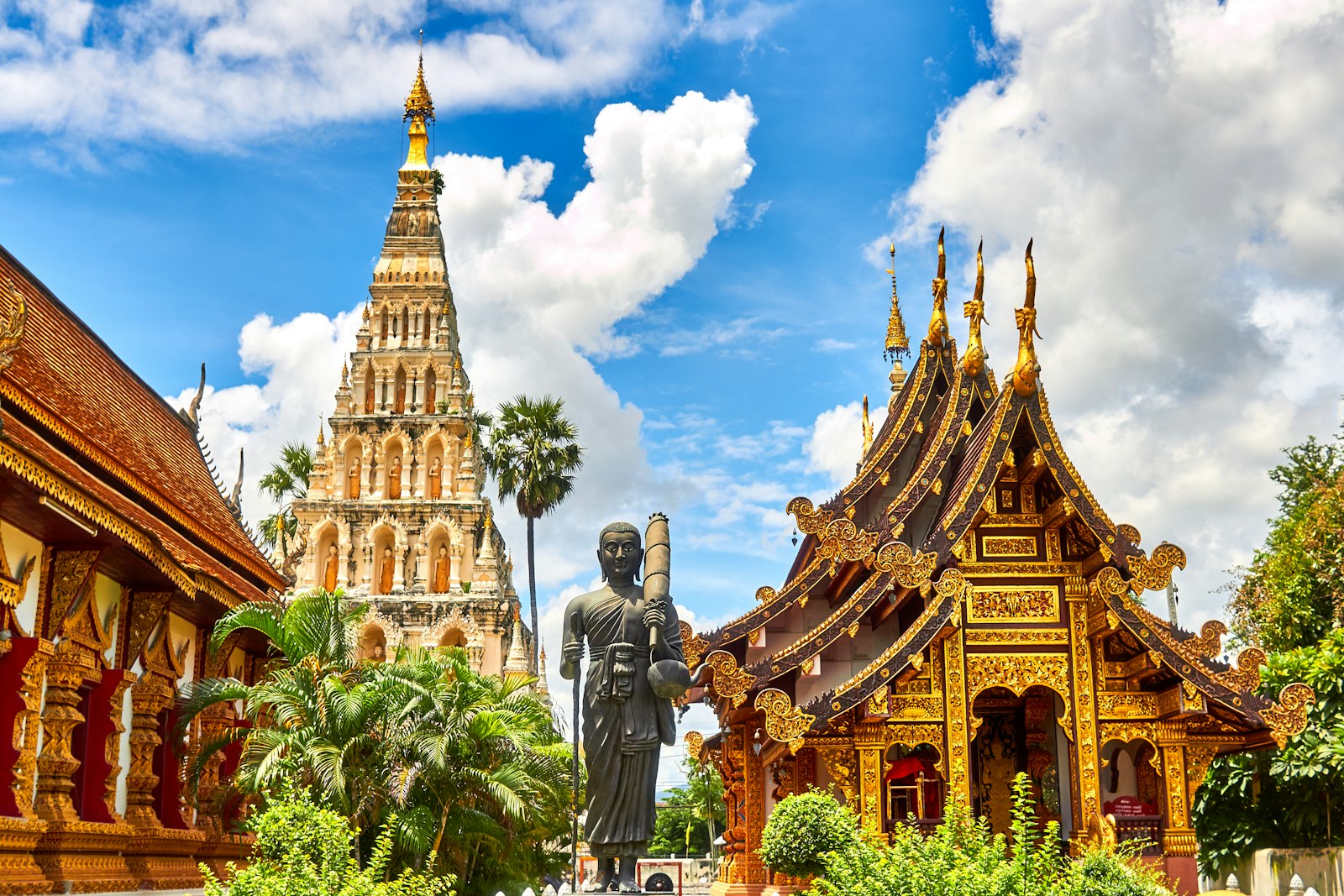
Bagan in 4 Days: 2,000 Temples, Hot Air Balloons & Myanmar's Ancient Plain
E-bike sunrise routes, hot air balloon booking tips, Ananda and Dhammayangyi temples, Shwesandaw Pagoda at dusk, and a full budget breakdown from $40/day. The complete 2026 guide.
Delhi · Visited: Kedarnath, Gangotri, Manali, Shimla, Rishikesh & more · April 2026 · 15 min read
Bagan is one of the great archaeological wonders of Asia — a flat alluvial plain studded with more than 2,000 Buddhist temples, pagodas, and monasteries built between the 9th and 13th centuries, when Bagan was the capital of the Pagan Kingdom and one of the most important cities in the Buddhist world.
🏛️ What Bagan Actually Is
At its height between the 11th and 13th centuries, the Pagan Kingdom's rulers constructed over 10,000 religious monuments across a 104-square-kilometre plain along the Irrawaddy River. Today roughly 2,000 survive in varying states of preservation, ranging from fully intact gilded pagodas to crumbling brick towers barely visible above the scrub. The scale only fully registers when you get on an e-bike and start riding — temples appear around every corner, behind every thicket of toddy palms, for kilometres in every direction.
The site was admitted to the UNESCO World Heritage List in 2019, a designation long delayed by political complications. Entry requires a $25 Bagan Archaeological Zone fee (paid at the airport or town gates), which funds conservation work across the site. The three main temple clusters — Old Bagan, New Bagan, and Nyaung-U — are spread across a surprisingly large area: getting between them by foot is not realistic. An e-bike rental ($8/day) is the standard and genuinely ideal way to explore, allowing you to stop at obscure temples off the main tourist path that guided tours skip entirely.
A note on the current situation in Myanmar (2026): travellers should check their government's current travel advisory before booking. The Bagan archaeological zone has remained relatively stable and accessible throughout recent years, but conditions elsewhere in the country have been volatile. Most visitors arrive via Mandalay or Yangon on domestic flights, which operate normally. This guide focuses on Bagan itself and is written based on conditions as of early 2026.
2,000+
Temples & Pagodas
Nov–Feb
Best Season
From $350
Hot Air Balloon
$40/day
Budget From
🌡️ Best Time to Visit Bagan
Nov–Feb — Cool Season — Best Time
Strongly recommended
20–30°C, low humidity, clear skies perfect for sunrise photography and balloon flights. November is slightly cooler and less crowded than December–February peak. The hot air balloon season runs exactly this window — if balloons are your priority, November through February is your only viable option.
Mar–May — Hot Season — Bearable Early
Early mornings only
30–40°C and climbing. March mornings are still manageable for e-biking before 9am. April and May are genuinely gruelling — the plain has no shade, the brick temples absorb and radiate heat, and the dust becomes pervasive. Balloon season closes in mid-March. Feasible only with early starts and afternoon rest.
Jun–Sep — Monsoon — Dramatic but Challenging
For adventurous travellers
Heavy rains June–August, tapering in September. Bagan receives less rain than the rest of Myanmar but the plain becomes muddy and some unpaved temple tracks are impassable. Visibility for photography can be poor. Almost no tourists — a real advantage if you can tolerate the conditions. Lush greenery between temples is striking.
Oct — Shoulder — Good Value
Good value
The rains taper off in October, temperatures drop, and the plain is still green from the monsoon. Hotels are significantly cheaper than peak season and the most photogenic temples are uncrowded. Balloon season has not yet started. A genuinely good compromise — good conditions, good prices, no balloon options.
✈️ Getting to Bagan
Key detail: Bagan has its own airport (Nyaung-U Airport, code NYU) — it receives domestic flights from Mandalay and Yangon. Almost all international travellers fly into Yangon first, then take a domestic connection. The $25 Bagan Archaeological Zone fee is collected at the airport arrival hall.
Fly from Mandalay (recommended)
Fastest optionMandalay (MDL) → Nyaung-U Bagan (NYU): 30 minutes, $50–$80 one-way depending on airline and season. Airlines: Air KBZ, Myanmar National Airlines, Flymya. Fastest and most reliable option — avoids the long Irrawaddy road. From Nyaung-U Airport to Bagan hotels: taxi 15 mins, ~$5.
Fly from Yangon
Most common routeYangon (RGN) → Nyaung-U Bagan (NYU): 1 hour 20 minutes, $60–$100 one-way. Multiple daily flights operated by Myanmar National Airlines and Air KBZ. Most international travellers enter via Yangon International Airport — a domestic connection to Bagan is the standard routing.
Overnight bus from Yangon
Budget optionYangon → Bagan (Nyaung-U bus station): 9 hours overnight, $12–$20 depending on bus class. JJ Express and Mandalar Minn operate comfortable VIP buses with reclining seats, AC, and a meal stop. Departs Yangon around 8pm, arrives Bagan around 5–6am — timing works perfectly for a sunrise arrival. Budget travellers' preferred option.
Irrawaddy River cruise from Mandalay
Scenic experienceMandalay → Bagan by slow boat: 10–12 hours downstream on the Irrawaddy River. MGRG Express and Malikha River Cruise operate this route. The slow boat ($25–$40) is a bucket-list experience in itself — sandbars, riverside villages, fisher boats. Upper deck seating offers wide river panoramas. Departs early morning, arrives Bagan in the late afternoon.
📅 4-Day Bagan Itinerary
Each day card is expandable. The itinerary is designed around the light — Bagan's golden hour is extraordinary at both ends of the day, and midday heat (especially October–April) makes it sensible to rest between noon and 3pm. E-bike is assumed throughout.
- ●Arrive Bagan, pay the $25 Bagan Archaeological Zone fee at the airport or town gate if not already collected. Check in to your hotel and rent an e-bike immediately — $8/day is the going rate and every guesthouse in Nyaung-U and Old Bagan can arrange one. The e-bike is the single most important decision you make in Bagan: it lets you reach remote temples in minutes and stop anywhere.
- ●10am: Nyaung-U Market — the real working market of Bagan town, not set up for tourists. Lacquerware, palm sugar, dried fish, fresh produce, monks shopping for the day. A good orientation stop before the temples. Walk the whole covered section. 20–30 minutes.
- ●11am: Shwezigon Pagoda, one of Bagan's most important active religious sites and the prototype for the classic Burmese bell-shaped stupa. Built by King Anawrahta in the 11th century, it established the architectural template that hundreds of subsequent pagodas across Myanmar would follow. The gold gilding is blinding in direct sun — visit in the morning light. Entry included in zone fee.
- ●1pm–3pm: Rest at your hotel through the midday heat. This is non-negotiable in Bagan between November and April — the plain has very little shade and the brick temples radiate stored heat.
- ●3:30pm: Ride east toward the cluster of temples between Nyaung-U and Old Bagan. Stop at Htilominlo Temple (built 1218 CE, one of the last great temples of the Pagan Kingdom) and Upali Thein ordination hall, which contains rare 17th-century murals.
- ●5pm: Shwesandaw Pagoda for sunset — this is the most-visited sunset viewpoint in Bagan, a cylindrical pagoda rising five terraces to a stupa that commands panoramic views across the entire plain. Hundreds of temples visible in every direction as they turn gold in the dying light. Arrive 45 minutes before sunset. A genuine Bagan highlight despite the crowds.
- ●5am: This is the morning you set your alarm for. Ride your e-bike into the dark plain, find a small pagoda away from the main tourist viewpoints (ask your guesthouse for a specific tip — they all have one), and watch the sun rise through the mist over 2,000 temples. The mist in November–January is especially thick, and the plain turns deep orange and gold as the light comes up. Hot air balloons launch around 6am in peak season, drifting silently overhead as the temples emerge from the haze.
- ●7:30am: Ananda Temple — the most celebrated and best-preserved temple in Bagan. Built by King Kyanzittha around 1105 CE, Ananda is a masterpiece of Mon architecture: a Greek cross plan, white-washed exterior, and four enormous gilded standing Buddhas (each 9.5 metres tall) occupying the four cardinal points of the interior. The interior is cool and dim even in the heat of the day. The craftsmanship of the stone carvings in the external corridors is extraordinary — 80 Jataka scenes carved in remarkable detail. Allow 1.5–2 hours.
- ●10am: Thatbyinnyu Temple — at 61 metres, the tallest temple in Bagan. Built by King Alaungsithu in the mid-12th century. The exterior is severe and imposing; the interior, in contrast, has delicate plasterwork in the upper halls accessible via internal stairs (check current access conditions, as climbing rules change periodically). The view from the terraces when open is exceptional.
- ●11am: Dhammayangyi Temple — the largest temple in Bagan by footprint, built by King Narathu in the 1160s. The outer corridors are famously dark and filled with bats; the brickwork in the outer walls is so precisely fitted that a pin cannot be inserted between the courses — King Narathu reportedly executed masons whose work didn't meet this standard. The inner sanctum was filled with rubble during the original construction and never completed, which gives it a uniquely brooding atmosphere.
- ●1pm–3pm: Rest. Old Bagan village has a handful of cafes and restaurants — try Green Elephant or Sarabha II for lunch (see Eat section below).
- ●4pm: Explore Old Bagan's quieter temple clusters by e-bike — Gubyaukgyi Temple (early 13th-century murals, considered among the finest in Bagan), Manuha Temple in Myinkaba (a claustrophobic but fascinating temple with oversized reclining Buddhas squeezed into small shrines, built by the captive Mon king Manuha to express his imprisonment). Return to Shwesandaw or find a quieter pagoda for sunset.
- ●If you booked a hot air balloon ($350–$430 per person), today is likely your flight day — balloon operators typically assign dates based on weather windows and booking order. Flights depart at dawn (5:30–6am) and last approximately 45–60 minutes. The experience of floating over 2,000 temples as the sun rises is genuinely extraordinary and unlike anything else in Southeast Asia. Book well in advance (months ahead in peak season) through Balloons over Bagan or Oriental Ballooning. Both include hotel transfers.
- ●If no balloon: 5:30am pre-dawn e-bike ride to a different viewpoint than Day 2. The southern plain around New Bagan has excellent, less-crowded sunrise temples — Lawkananda Pagoda on the Irrawaddy bank, the Payathonzu Temple complex (three connected shrines with rare Tantric murals), and the remote Tayok Pyi Pagoda are all worth the extra distance.
- ●9am: Myinkaba village, 3km south of Old Bagan — the centre of Bagan's lacquerware industry. Stop at one of the family workshops (Moe Moe Lacquerware or Golden Cuckoo are both well-regarded) to watch the 8–12 layer lacquerware process from bamboo or horsehair base through to finished bowls and boxes. Prices are genuinely reasonable here compared to Yangon souvenir shops: $5–$50 for handmade pieces.
- ●11am: Sulamani Temple — built by King Narapatisithu in 1183 CE and considered the finest example of late Pagan architectural refinement. The proportions are lighter and more elegant than the massive earlier temples, with elaborate decorative niches and some of Bagan's best surviving 12th-century murals in the lower corridors. Less visited than Ananda despite being arguably as impressive.
- ●4pm: Irrawaddy River at sunset — ride to Lawkananda Pagoda, which sits directly above the west bank of the Irrawaddy. Watch the sun set over the river from the pagoda terrace. Long-tail boats and fishing craft pass below in the golden light. One of the quietest and most atmospheric sunset spots in Bagan, entirely free of the Shwesandaw crowds.
- ●Evening: Dinner at Be Kind to Animals the Moon restaurant in Nyaung-U — the most celebrated restaurant in the Bagan area and a genuine standout (see Eat section). Book ahead in peak season.
- ●Optional day trip: Mount Popa, 50km southeast of Bagan — a volcanic plug rising 737 metres above the surrounding plain, topped with a monastery that houses 37 nat (spirit) shrines of enormous importance in Burmese animist tradition. The 777-step climb to the top (lined with monkeys who will steal your food and glasses — secure your belongings) rewards with panoramic views over the Bagan plain and the distant Irrawaddy Valley. Taxi from Bagan: $25–$35 round trip, 1.5 hours each way. Budget a full day.
- ●If staying in Bagan for a fourth full day rather than day-tripping: use the morning for the smaller, undervisited temples you missed earlier. Pebinkyaung, Kondawgyi, and the brick ruins around Pwasaw village in the south plain are all genuine highlights that almost no casual visitors reach. Your guesthouse can mark them on a map.
- ●Afternoon: Final walk through the Nyaung-U market area. Buy lacquerware, palm sugar candy (a Bagan specialty), and pickled tea leaves (lahpet) to take home. The Nyaung-U market stalls have the best selection and prices.
- ●Late afternoon: Return your e-bike, settle your hotel bill. If flying out: Nyaung-U Airport is 3km from Nyaung-U town, taxi $3–$5. Domestic flights back to Yangon or Mandalay depart late afternoon and evening — confirm your flight time 24 hours before.
- ●If doing the overnight bus back to Yangon: buses depart from Nyaung-U bus station at approximately 5–6pm, arriving Yangon early morning. Stock up on water and snacks from the market before boarding.
Free · Personalised · 24hr Reply
Want this Bagan plan customised for your dates?
Tell us your group size, budget, and travel dates. We'll build a day-by-day plan around you — completely free.
No account · No credit card · Takes 2 minutes
🏯 Temple & Landmark Guide
The most important sites in order of priority. Entry is covered by the $25 Bagan Archaeological Zone fee — no additional charges at individual temples. Climbing rules on temple terraces change periodically; check current conditions with your guesthouse on arrival.
Ananda Temple
The crown jewel of Bagan — a perfectly preserved 11th-century temple (built c. 1105 CE) with four 9.5-metre gilded standing Buddhas, extraordinary stone carvings of 80 Jataka tales, and a Mon architectural masterpiece. The white-washed exterior glows golden at sunrise. The finest single temple in Myanmar by most measures. Allow 1.5–2 hours.
Dhammayangyi Temple
The largest temple in Bagan by footprint (1160s CE), built by the feared King Narathu. Dark, bat-filled outer corridors, impossibly precise brickwork (reportedly no pin can fit between the courses), and an incomplete inner sanctum filled with rubble — giving it the most atmospheric interior in all of Bagan. Not beautiful, but deeply compelling.
Shwesandaw Pagoda
The premier sunset viewpoint in Bagan — five cylindrical terraces rising to a stupa with 360-degree views across the temple plain. Built by King Anawrahta in 1057 CE to enshrine a Buddha hair relic. The most crowded spot in Bagan at sunset but the view justifies it. Arrive 45+ minutes before sunset.
Shwezigon Pagoda
The prototype Burmese bell-shaped stupa, begun by King Anawrahta around 1060 CE and completed by Kyanzittha. Heavily gilded and still an active place of worship — one of the most sacred pagodas in Myanmar. The surrounding complex has smaller shrines, nat figures, and a genuine atmosphere of active Buddhist practice.
Thatbyinnyu Temple
At 61 metres, the tallest temple in Bagan, built by Alaungsithu in the mid-12th century. The sheer scale of the exterior is impressive; the internal plasterwork in the upper halls is refined. One of the best examples of the two-storey hollow temple form that succeeded the earlier solid stupa design.
Sulamani Temple
Built 1183 CE by Narapatisithu — considered by many scholars the finest temple of the late Pagan period. Lighter proportions than the massive earlier temples, with some of Bagan's best surviving 12th-century murals in the lower corridor niches. Significantly less visited than Ananda or Dhammayangyi.
Lacquerware Workshops (Myinkaba)
The village of Myinkaba, 3km south of Old Bagan, is the centre of Bagan's traditional lacquerware industry. Family workshops produce hand-layered bowls, boxes, and trays using bamboo or horsehair frames with 8–12 coats of lacquer. Visiting is free and genuinely interesting; buying direct supports the craftspeople at better prices than any souvenir shop.
Bagan — Temples, Balloons & the Irrawaddy Plain
Myanmar's ancient capital in morning mist and golden-hour light.
📸
Bagan Temples at Sunrise
Bagan Temples at Sunrise
The Bagan plain at dawn — 2,000 temples emerging from morning mist as hot air balloons drift silently overhead.
💰 Budget Breakdown
Bagan is affordable by international standards once you account for the $25 zone fee and flights. The hot air balloon is a significant optional splurge. All prices in USD and approximate MMK equivalents (1 USD ≈ 2,100 MMK at informal rates as of early 2026 — note: Myanmar currency exchange is complex and rates fluctuate).
| Category | Budget | Mid-Range | Luxury |
|---|---|---|---|
| ✈️ Flights to/from Bagan | $50–$80 | $60–$100 | $100–$200 |
| 🏛️ Zone fee (one-time) | $25 | $25 | $25 |
| 🏨 Accommodation (3 nights) | $30–$60 | $120–$270 | $450–$900 |
| 🛵 E-bike rental (3 days) | $24 | $24 | $24 |
| 🍽 Food (4 days) | $20–$40 | $60–$120 | $160–$320 |
| 🎈 Hot air balloon (optional) | — | $350–$430 | $350–$430 |
| 🚕 Local transport + tips | $10–$20 | $20–$40 | $40–$80 |
| TOTAL per person (no balloon) | $159–$249 | $309–$579 | $799–$1,549 |
💚 Budget ($40–$65/day)
Guesthouse in Nyaung-U ($10–$20/night), eat at local teahouses and Sarabha II, e-bike everywhere. Perfectly comfortable — Bagan's backpacker infrastructure is well-developed.
🌟 Mid-Range ($100–$150/day)
Boutique hotel like Thazin Garden or Bagan Thande ($40–$90/night), dinner at Be Kind to Animals the Moon, guided half-day. The sweet spot for comfort without overpaying.
✨ Luxury ($250+/day)
Aureum Palace Bagan ($150–$300/night), hot air balloon, private guide and driver, Irrawaddy dinner cruise. Bagan's luxury tier is excellent value by international standards.
Get the free travel guide
+ weekly destination tips
Download the Rajasthan 7-Day Guide instantly — day-by-day itinerary, real budgets, local food spots & packing list. Plus weekly guides from 2,400+ travellers' favourite destinations.
No spam, ever. Unsubscribe with one click.
🏨 Where to Stay in Bagan
Hotels are spread across three areas: Nyaung-U (the main town — closest to the market, bus station, and airport), Old Bagan (the archaeological zone itself — quieter, surrounded by temples), and New Bagan (3km south, mostly budget guesthouses). Old Bagan hotels fill fastest in peak season — book three to four months ahead if visiting November–January.
Aureum Palace Bagan
Luxury resort · Old Bagan archaeological zone
A colonial-style luxury resort set within the archaeological zone itself, surrounded by ancient temples. Private pool villas, a stunning outdoor pool, and some of the most dramatic temple views available from any hotel in Bagan. Book well in advance for November–February.
Thazin Garden Hotel
Boutique mid-range · Old Bagan
Spacious bungalows set in lush tropical gardens adjacent to Old Bagan village. Pool, good restaurant, attentive service, and a genuinely relaxed atmosphere. Walking distance to several major temples. The best value mid-range option in Bagan's premium location.
Bagan Thande Hotel
Heritage colonial · Old Bagan riverfront
The oldest hotel in Bagan, originally built in 1922 to accommodate visitors arriving by Irrawaddy steamboat. Riverfront location with direct views over the water and a breezy veranda. Heritage rooms retain period character; the setting is irreplaceable. Some rooms show age — inspect before confirming.
Budget Guesthouses (Nyaung-U)
Budget · Nyaung-U town
Nyaung-U has the best concentration of budget guesthouses — clean rooms, helpful staff, and proximity to the market and bus station. Ostello Bello, Bagan Yazagyo, and Golden Myanmar Guesthouse are consistently well-reviewed. Most can arrange e-bike rentals and temple maps.
🍽️ Where to Eat in Bagan
Bagan's restaurant scene ranges from excellent fine dining (Be Kind to Animals the Moon is genuinely world-class) to simple teahouses serving mohinga (rice noodle fish soup) and samosas for $1. The best local food is in Nyaung-U market and the tea shops around the bus station area.
Be Kind to Animals the Moon
Fine dining · Nyaung-U
The best restaurant in the Bagan area and one of the most celebrated in Myanmar. The French-Burmese owner-chef serves a menu of refined Burmese and international dishes in a beautiful garden setting — prawn curry with palm sugar, lacquered duck, coconut milk desserts. $15–$30 per person with drinks. Book ahead in peak season. Worth every kyat.
Sarabha II
Burmese-Asian · Old Bagan village
A solid, popular restaurant in Old Bagan village serving Burmese curries, stir-fries, and set meals. Good range of vegetable dishes, fresh fish when available, and cold beer. An unpretentious spot that delivers consistent quality at reasonable prices — $5–$10 per person. The terrace has views over the temple plain.
Green Elephant
Burmese cuisine · Multiple Bagan locations
A Myanmar restaurant brand with a long-standing reputation for accessible Burmese cuisine. The Bagan location serves traditional mohinga, shan noodles, tofu curry, and set lunch menus that introduce unfamiliar visitors to the range of Burmese cooking styles. $6–$12 per person. Reliable and comfortable.
Nyaung-U Market Teahouses
Local breakfast · Nyaung-U
The market teahouses around Nyaung-U open from 5am — mohinga (fish noodle soup, the national breakfast dish), samosas, fried bread with bean paste, and sweet tea for $0.50–$1.50. This is where the local population eats. The best way to start any Bagan day, and the most accurate taste of real Burmese food available in the tourist zone.
Where to Stay in Bagan Myanmar
Verified prices · Instant booking
Aureum Palace Bagan
Luxury resort · Within the archaeological zone
Thazin Garden Hotel
Boutique · Old Bagan village
Bagan Thande Hotel
Heritage colonial · Old Bagan riverfront
Ostello Bello Bagan
Boutique guesthouse · Nyaung-U
Affiliate links — we earn a small commission at no extra cost to you. Helps keep our guides free.
Things to Do in Bagan Myanmar
Tours & experiences · Instant confirmation
Hot Air Balloon over Bagan
Bucket listBagan Full Day Temple Tour by E-bike
Best valueIrrawaddy River Sunset Cruise
ScenicBagan Lacquerware Workshop Tour
Affiliate links — we earn a small commission at no extra cost to you.
⚠️ Mistakes to Avoid in Bagan
Only doing the guided bus tour circuit
The standard day-tour covers Shwesandaw, Ananda, Dhammayangyi, and maybe Sulamani — the same five temples every tourist sees. An e-bike gives you access to the other 1,990+ temples, most of which you'll have entirely to yourself. The obscure temples are often the most atmospheric.
Skipping the pre-dawn e-bike ride
The single most praised experience in Bagan is riding an e-bike into the dark plain before dawn and watching the sun rise over the temples in the mist. This requires actually getting up at 4:30–5am. Many travellers oversleep and spend the rest of their trip regretting it.
Leaving the balloon booking too late
Hot air balloon flights over Bagan ($350–$430) sell out months in advance during November–February peak season. Balloons over Bagan and Oriental Ballooning both open bookings from around August for the following November season. If the balloon is on your list, book before you book your flights.
Arriving without USD cash
Myanmar's banking system remains constrained. ATMs in Nyaung-U work intermittently, and international cards are not accepted at most guesthouses, restaurants, or e-bike rentals. Bring crisp, undamaged USD bills (post-2010 preferred) — the $25 zone fee, e-bikes, most guesthouses, and many restaurants deal primarily in USD or MMK exchanged from USD.
Wearing shoes inside every temple
All Buddhist temples and pagodas in Myanmar require removal of shoes and socks — this is mandatory and enforced. Wear slip-on shoes or sandals. The stone and brick floors of the main temples can be extremely hot in the midday sun (October–April) — plan accordingly by visiting in early morning when the stone is cool.
💡 Pro Tips for Bagan
E-bike is the only way to explore properly
An e-bike ($8/day) changes what Bagan is. The site is 104 square kilometres — far too large to cover meaningfully on foot or by a tour van that follows a fixed circuit. An e-bike lets you navigate to GPS coordinates of obscure temples, stop spontaneously, and arrive at the most famous viewpoints 20 minutes before everyone else on a taxi tour.
Find your own sunrise spot
Shwesandaw is spectacular but you'll share it with 300 other people. Ask your guesthouse for a less-visited pagoda with a high terrace — they all know several. Arriving alone at a crumbling 12th-century pagoda as the sun comes up over 2,000 temples is a different experience entirely from the crowd at the main viewpoints.
Bring all your USD from home
Crisp, undamaged USD bills — $100s and $50s preferred, printed after 2010. Myanmar's currency exchange works through informal money changers who offer the best rates. Damaged or pre-2010 notes are refused or get significantly worse rates. Do not rely on ATMs in Bagan — they are unreliable.
Go inside the temples, not just past them
The interiors of Bagan's temples are often better than the exteriors — cool corridors, ancient murals, giant gilded Buddhas in near-darkness. Many visitors ride past temples without stopping to go in. Ananda, Sulamani, Htilominlo, and Gubyaukgyi all have interiors worth 20–30 minutes each.
Buy lacquerware direct from Myinkaba workshops
The lacquerware sold in Old Bagan souvenir shops is typically lower quality and 30–50% more expensive than buying direct at the Myinkaba workshops. A handmade lacquerware bowl with 8+ layers takes weeks to produce and costs $10–$30 at source. The workshop visits are free and genuinely interesting.
Consider the Irrawaddy boat from Mandalay
The 10–12 hour slow boat from Mandalay to Bagan ($25–$40) is one of those travel experiences that justifies the extra time. Upper-deck seating, riverside village stops, sandbars and fishing scenes. If your schedule allows an extra day, do the boat one-way and fly back.
📸 Been to Bagan?
Share your photos and get featured in this guide with full credit. Your real photos help thousands of travellers plan better trips.
❓ Frequently Asked Questions
Plan your Bagan trip
You Might Also Like


Questions & Comments
Been there? Planning a trip? Drop it below — we reply to everything.
Have you visited this destination?
Any tips you'd add to this guide?
Questions before your trip?
Want a personalised itinerary?
We'll build your day-by-day plan in 24 hours — free.