Amarnath Yatra in 3 Days: Ice Shiva Lingam & High-Altitude Pilgrimage
Complete 2026 guide — helicopter vs trek, Pahalgam vs Baltal, mandatory RFID registration, medical certificate, and a full budget breakdown.
Standing inside the cave at 3,888m, watching pilgrims offer prayers to an ice formation shaped by nothing but dripping water and freezing air — I understood something about faith that no temple in a city had ever shown me.
The Amarnath Yatra is not a tourist attraction. It is one of the most demanding, most spiritually charged, and most logistically complex pilgrimage experiences in the world. Every year, hundreds of thousands of pilgrims — young and old, fit and fragile — complete a 36–46 km round trek through Himalayan terrain to reach a cave at 12,756 feet. The mandatory RFID registration, medical certificate requirement, and strict age limits are not bureaucratic hurdles: they are safeguards that have saved lives. Read this guide before you book anything.
3,888 m (12,756 ft)
Altitude
36–46 km round trip
Trek Distance
July–August
Yatra Season
4.9★
Rating
🗓 When to Do the Amarnath Yatra
The yatra season is fixed by the Hindu calendar and is non-negotiable. Plan accordingly.
Yatra Season
The official Amarnath Yatra runs approximately 45 days — from Shravani Purnima to Raksha Bandhan. Exact dates vary by year. July sees the largest crowds (safer weather). August can bring heavy snowfall.
Best Window
First two weeks of July offer the most stable weather, best trail visibility, and most organized logistics. The ice lingam is also at or near its peak size (grows with waxing moon).
Cave is Closed
The Amarnath Cave is inaccessible outside the official yatra period — trails are closed and buried under snow. Registration is not accepted outside the season. There are no exceptions.
⚡ Pick Your Plan
Same pilgrimage, two very different physical commitments. The helicopter changes everything for those with fitness concerns.
| Category | Budget | Comfortable |
|---|---|---|
| Access | Full 3-day Pahalgam trek | Helicopter to Panjtarni + short trek |
| Stays | Government tents ₹500–800/night | Private guesthouses + luxury tented camps |
| Trek distance | 36 km one way (3 days) | 6 km one way from Panjtarni |
| Total (pp) | Under ₹8,000 | ₹8,000–₹25,000 |
📅 Day-by-Day Itinerary
Day 1: Arrive, register, acclimatize at Pahalgam. Day 2: Pahalgam to Sheshnag Lake (14 km trek). Day 3: Sheshnag to Holy Cave and darshan, return.
- ●Fly or take a train to Jammu or Srinagar. From Srinagar, Pahalgam is 90 km (3 hrs by road).
- ●Register your yatra online at shriamarnathjishrine.com before travelling — the RFID slip is mandatory at every checkpoint. Registration fee: ₹100 for Indians. Without the RFID slip, you cannot proceed past the first checkpoint.
- ●Medical certificate from a government-recognized hospital is mandatory. The certificate must confirm fitness for high altitude — specifically BP, heart health, and general fitness. Pilgrims with heart conditions, severe hypertension, or pregnancy are not permitted. Apply 30–45 days before yatra.
- ●Arrive at Pahalgam base camp (2,130m). Government tents ₹500–800/night. Private guesthouses ₹800–1,500/night.
- ●Budget option: government tent accommodation at the base camp. Basic but functional — you'll be spending all your energy on the trek, not the room.
- ●Rest and acclimatize. Do not attempt any strenuous activity on Day 1. Walk slowly, drink 3–4 litres of water. Altitude sickness can affect even fit people — the acclimatization day at Pahalgam is built into the Pahalgam route for exactly this reason.
- ●Pahalgam Route (Budget): Auto to Chandanwari starting point — 16 km from Pahalgam (₹200 per person by shared auto).
- ●Chandanwari to Pissu Top (11,120 ft): The first pass. This climb is steep and at altitude — take it slow. Many pilgrims struggle here on Day 2 before acclimatization has fully set in.
- ●Pissu Top to Sheshnag Lake (11,730 ft): A beautiful descent to one of the most scenic campsites on the route. The lake reflects the surrounding peaks. Overnight camp here.
- ●Trek Day 2 total: 14 km, 6–8 hours of walking. Pace yourself — the Mahagunus Pass tomorrow is harder.
- ●Langars (free community kitchens) at multiple points along the route — hot food, chai, and glucose drinks. You will not go hungry.
- ●Medical posts are stationed at every major camp. Report any symptoms of altitude sickness (headache, nausea, dizziness) immediately to medical staff.
- ●Sheshnag to Mahagunus Pass (14,500 ft): The highest and most demanding point of the entire trek. Altitude sickness risk is highest here. Rest frequently, breathe slowly, do not rush.
- ●Mahagunus Pass to Panjtarni Camp (12,000 ft): A long descent through dramatic Himalayan landscape.
- ●Panjtarni to Holy Cave (13,500 ft): Final 6 km ascent to the Amarnath Cave. This section has the most pilgrims and the strongest spiritual atmosphere.
- ●Darshan of the ice Shiva lingam — a naturally forming ice cylinder created by dripping water inside the cave. The lingam grows and shrinks with the lunar cycle, reaching up to 6 feet at full moon. It is considered one of the holiest sights in Hinduism.
- ●Return trek from the cave to Panjtarni to Pahalgam the same day: approximately 20 km from cave, 10–12 hours total. Extremely demanding — start by 6 AM.
- ●Day 3 total (Pahalgam route): 20 km round trip from camp, 10–12 hours. The yatra is demanding, but thousands of first-timers complete it every year.
🗺️ Routes & Access
Two official routes. One is manageable for first-timers. One is for experienced trekkers only.
Pahalgam Route
The recommended route for first-timers and those without high-altitude trekking experience. More gradual ascent, better acclimatization profile, more scenic (Sheshnag Lake, Mahagunus Pass). 80% of pilgrims use this route.
Baltal Route
Shorter but extremely steep — the ascent from 2,743m to 3,888m in a single day is punishing. Done as a single-day push by fit, experienced trekkers. Not recommended for first-timers, those with health conditions, or anyone over 50. High altitude sickness risk.
Helicopter (Neelgrath/Pahalgam to Panjtarni)
Helicopter from either Neelgrath (Baltal side) or Pahalgam to Panjtarni camp. 200–300 seats per day per side, allocated by daily lottery at shriamarnathjishrine.com. Saves 14+ km of trekking. Worth every rupee for those with fitness concerns, elderly pilgrims, or those short on time.
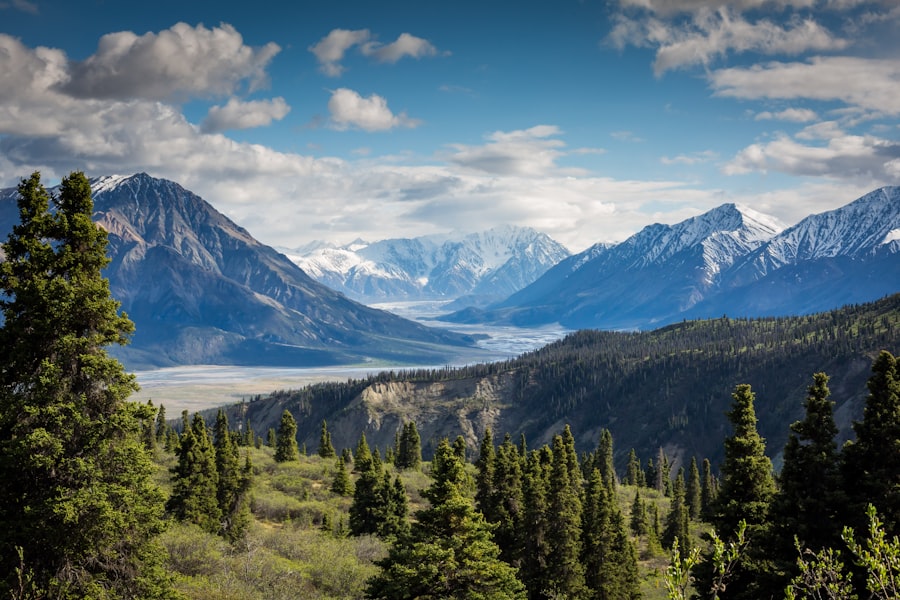
The Pahalgam route takes pilgrims through one of the most spectacular high-altitude landscapes in India. The trek is demanding — the reward is unlike anything else.
💰 Budget Breakdown
Budget
Under ₹8,000
per person
Comfortable
₹8,000–25,000
per person
* All prices per person. Helicopter costs shown per side (one way). Langars on the route are free. Registration at shriamarnathjishrine.com is free for Indians (₹100 processing fee applies).
Where to Stay in Amarnath
Compare prices · Free cancellation on most rooms
Tours & Activities in Amarnath
Skip the queue · Instant confirmation · Free cancellation
Affiliate links — we earn a small commission at no extra cost to you. Helps keep our guides free.
❌ Mistakes to Avoid
Not Getting the Medical Certificate in Advance
The medical certificate is mandatory and must come from a government-recognized hospital. You cannot get it at the last minute. Apply 30–45 days before your yatra date. Without it, you cannot register, and without registration, you cannot join the yatra.
Choosing Baltal Route Without Experience
The Baltal route (14 km one way in 1 day) is extremely steep and is not suitable for first-timers or those without high-altitude trekking experience. The Pahalgam route (3 days) exists specifically to allow gradual acclimatization. Don't underestimate altitude.
Skipping the Acclimatization Day
Resting in Pahalgam on Day 1 is not optional — it's built into the 3-day Pahalgam route because altitude sickness is real and dangerous. Pilgrims who rush straight to trekking on arrival are the ones who need medical evacuation.
Not Booking Helicopter in Advance
Helicopter slots operate on a daily lottery at shriamarnathjishrine.com. Slots for peak season (first two weeks of July) fill up weeks in advance. Book as soon as registration opens — 200–300 seats per day per side is not enough for the demand.
Inadequate Gear for the Weather
Even in July, temperatures at the Amarnath Cave can drop to 0°C or below at night. Bring thermal layers, a waterproof jacket, trekking poles, and ankle-support boots regardless of what the weather forecast says. Weather at 3,888m is unpredictable.
Ignoring Altitude Sickness Symptoms
Symptoms: persistent headache, nausea, vomiting, confusion, breathlessness at rest. If you experience these — especially confusion or breathlessness at rest — descend immediately and report to a medical post. Do not push through. Altitude sickness can become life-threatening.
💡 Pro Tips
Medical Certificate is Non-Negotiable
A certificate from a government-recognized hospital confirming fitness for high altitude is MANDATORY to register. Get tested for BP, heart condition, and general health. Pilgrims with heart conditions, severe hypertension, or pregnancy are not permitted. Apply 30–45 days before yatra.
RFID Registration Opens 2 Months Before Yatra
Register at shriamarnathjishrine.com. The registration slip has a barcode scanned at every checkpoint. Without it, you cannot proceed. Registration is free for Indians.
Helicopter: Book Day-of via Lottery
Helicopter slots from Neelgrath (Baltal side) or Pahalgam to Panjtarni operate on a daily lottery basis (book at shriamarnathjishrine.com). Seats: 200–300/day each side. The helicopter saves 14 km of trekking — worth every rupee for those with fitness concerns.
Altitude Sickness Prevention
Spend 1 full day acclimatizing in Pahalgam (2,130m) before trekking. Drink 3–4 litres of water daily. Carry Diamox (altitude sickness medication, consult doctor). Ascend slowly — the Pahalgam route takes 3 days specifically for acclimatization.
Pahalgam vs Baltal Route
Pahalgam (36 km one way, 3 days): more gradual, safer for beginners, more scenic. Baltal (14 km one way, 1 day if fit): shorter but very steep, typically done as a single-day rush. First-timers should always choose Pahalgam.
Yatra Season and Weather
Amarnath Yatra runs approximately 45 days from July to August (dates vary by Hindu calendar — Shravani Purnima to Raksha Bandhan). Weather at the cave is 5–15°C in July, potentially 0°C or below in August with snow. Pack thermal layers regardless.
Want This Planned for You?
Tell us your yatra dates and group — we'll help you with registration, helicopter booking, and accommodation within 24 hours. Free.
❓ Frequently Asked Questions
Amarnath — Highlights
The best of Amarnath in photos.
📸
Amarnath Landscape
Amarnath Landscape
The stunning landscapes of Amarnath.
Planning a Longer Kashmir Trip?
Nearby & Related


Questions & Comments
Been there? Planning a trip? Drop it below — we reply to everything.
Have you visited this destination?
Any tips you'd add to this guide?
Questions before your trip?
Want a personalised itinerary?
We'll build your day-by-day plan in 24 hours — free.